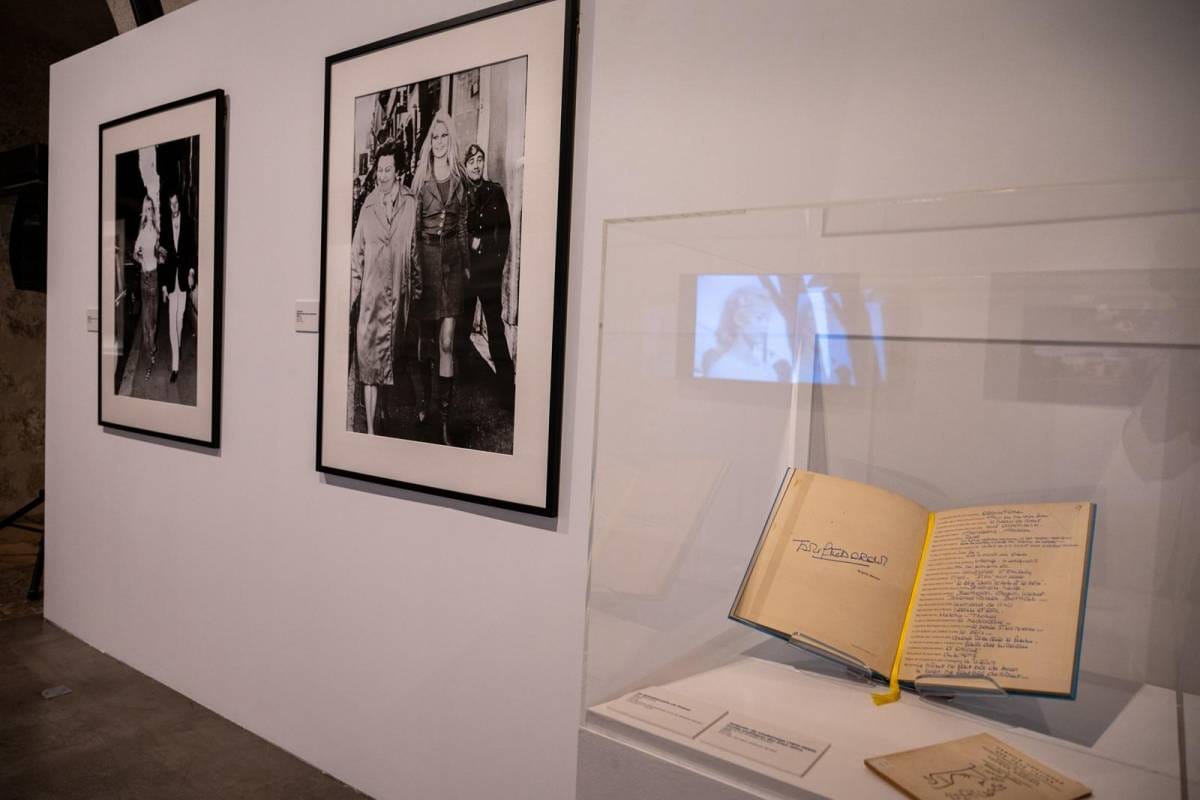


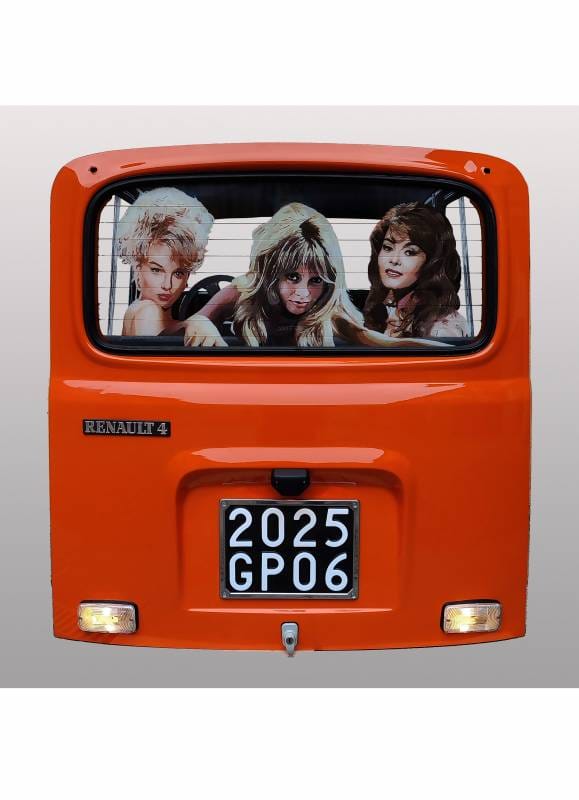
Brigitte Bardot, Mylène Demongeot and Michèle Mercier at Espace Lympia, Nice
Until April 12
If it wasn’t for them, the French Riviera wouldn’t truly be what it is today. How could we possibly forget Brigitte Bardot’s frenetic dancing in front of “La Ponche” in Saint-Tropez from the legendary “And God Created Woman”? The sensual Michèle Mercier seducing the King in “Angélique” or an elegant and mischievous Mylène Demongeot, both of them native to Nice?
Not simply actresses, they are genuine icons, symbols of an era when France was truly reinventing itself in all its cinema and culture. Their presence on the screen, charm and personalities helped transform the very perception of women in the 1960s, giving rise to a model that was free, audacious and sensual all at once.
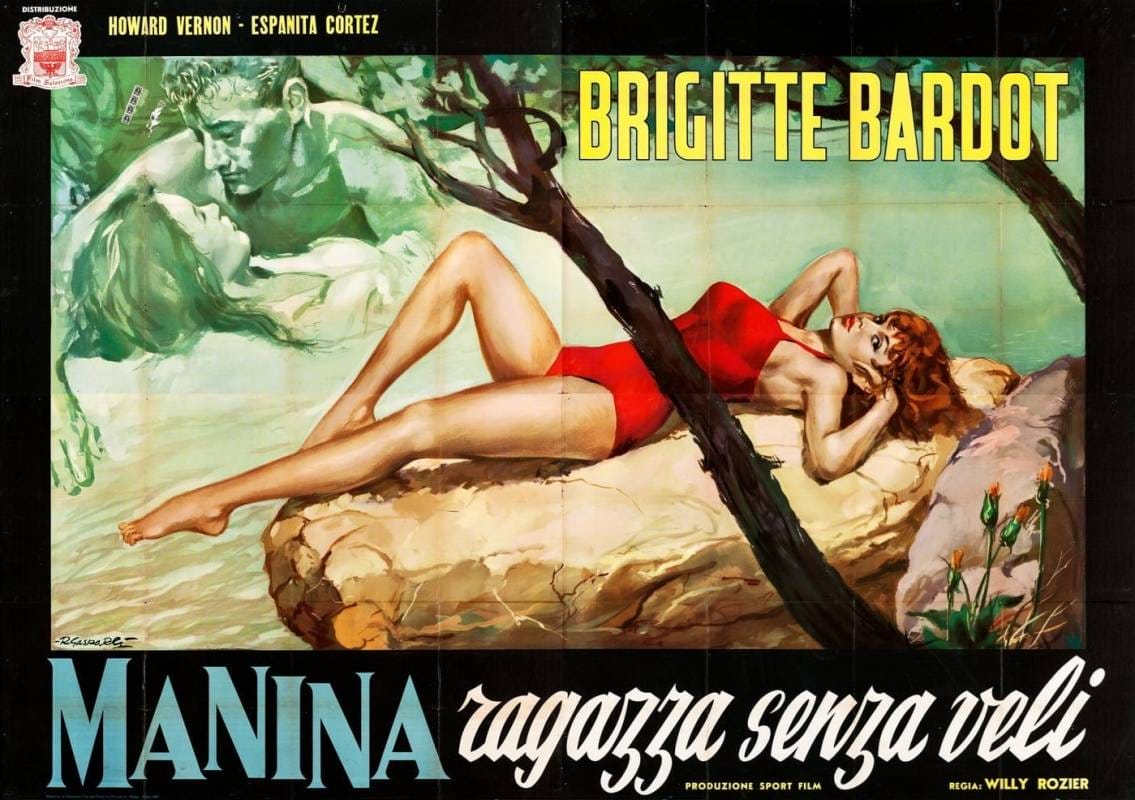
Filmed under the Mediterranean sun, images of these actresses contributed to forging the French glamour myth. An aura well transcending the cinema, firmly anchored in the collective imagination.
Retracing their careers, “Brigitte, Mylène & Michèle – The Little Darlings of the French Riviera” at Espace Lympia is thus paying tribute to these timeless icons. Photographs, film clips, posters, archival documents, works by visual artists, such as Arman’s “Bardot Trash Can”, are witness to their undeniable influence on the cinema and society at the time, whilst building the French glamour myth.
A must-see in anticipation of the Cannes International Film Festival.
“Brigitte, Mylène & Michèle – Les petites chéries de la Côte d’Azur”
Espace Lympia
2, Quai Entrecasteaux, Nice
The human condition as seen by Franta at the Museum of Vence
Until May 24
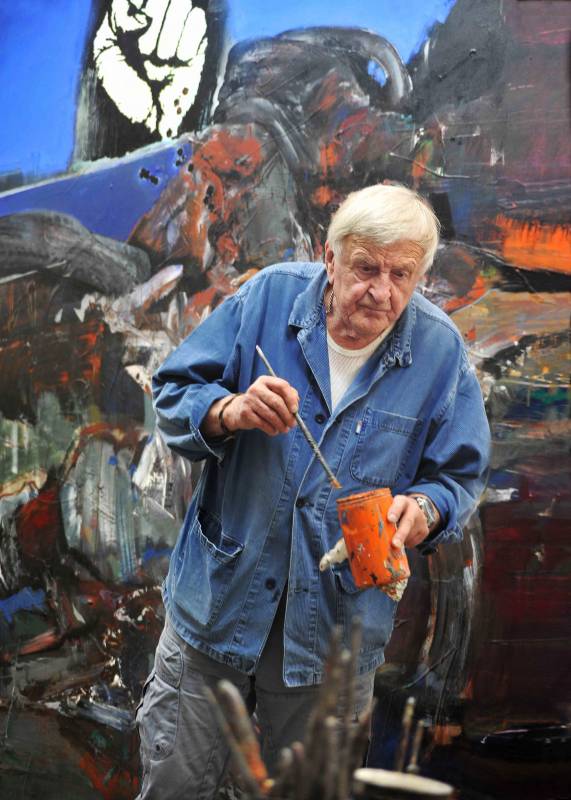
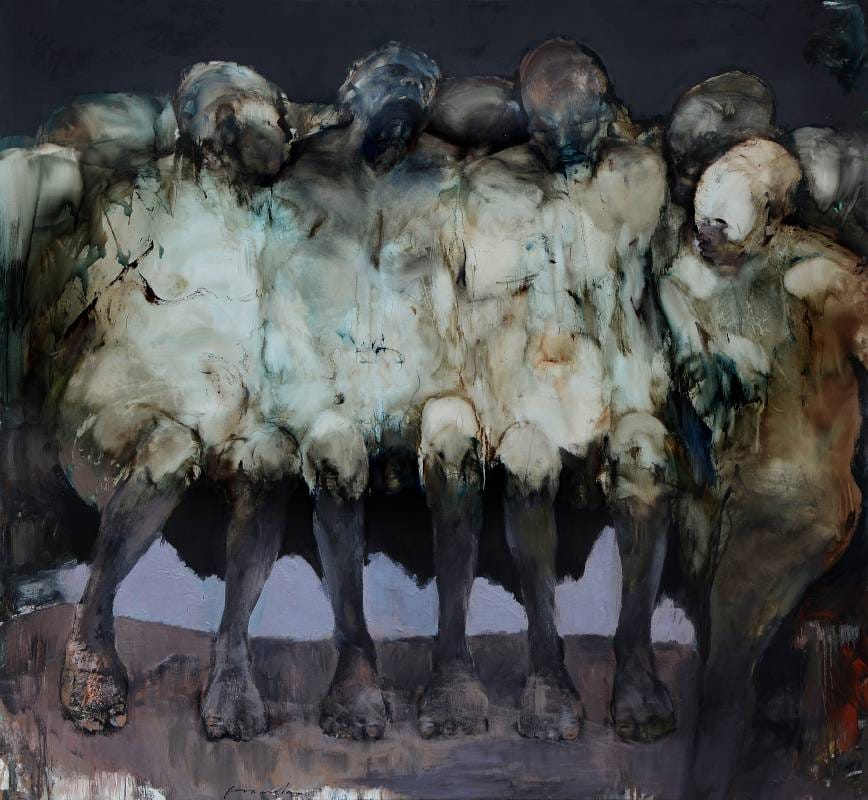
The message is certainly humanist, that of an unfailing commitment to respecting human dignity and freedom. His art, however, goes even further. Franta’s drawings and paintings are demonstrating how fragile existence is, how painful the finitude. This existential, philosophical dimension gives his art an exceptional power. His bodies are fragmented, tormented, suggesting rather than imposing themselves. Despite everything, we feel that they are desperate to live — in line with a history of events, in spite of vicissitudes of time. Time which passes inexorably, doing its work.
© Roland Michaud
Born in Czechoslovakia, he chose Vence in 1958. Strongly marked by the Second World War and the massacres of Srebrenica, Franta truly experienced all the upheavals of modern history. With a carnal force, his art is thus an expression of man’s struggle against all forms of power and oppression the contemporary world is going through. The retrospective at the Vence museum thus brings together paintings, sculptures and drawings, shedding light on his journey as a man and an artist.
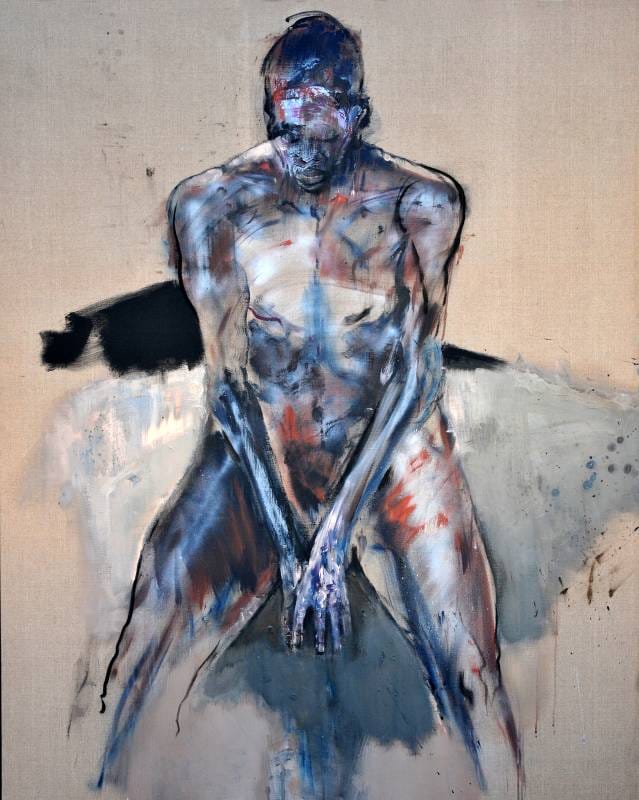
Based on the city ramparts and built in the 17th century, the Château de Villeneuve / Émile Hugues Foundation, is offering a bright exhibition space for visual artists, particularly those who chose Vence as their home. In line with its temporary exhibition, the Museum of Vence is now opening “Espace Franta”, a permanent space honouring his art on the third floor. Some thirty works are thus representative of the artist’s career. A set of paintings and drawings reflect a constancy of a profoundly humanist work, driven by a relentless reflection on the human condition, on the memory, violence and domination of a system, but also that of the capacity of individual resistance.
“Franta. La Condition Humaine”
Musée de Vence — Fondation Émile Hugues
2, Place du Frêne, Vence
The Feeling of Nature at Villa Paloma, Monaco
Until May 25
Contemporary art reflected in the work of Nicolas Poussin. This is the perspective the New National Museum of Monaco (NMNM) has chosen for its Villa Paloma spring exhibition. A wide selection of artists is witnessing just how pertinent the legacy of this great master of French classical painting is to this today.
According to the exhibition curator, Guillaume de Sardes, “Poussin was the first to paint not just landscapes, but nature itself. Inherent to his career, with an increasingly pronounced lyricism, it resonates strongly with our sensibilities even today”.
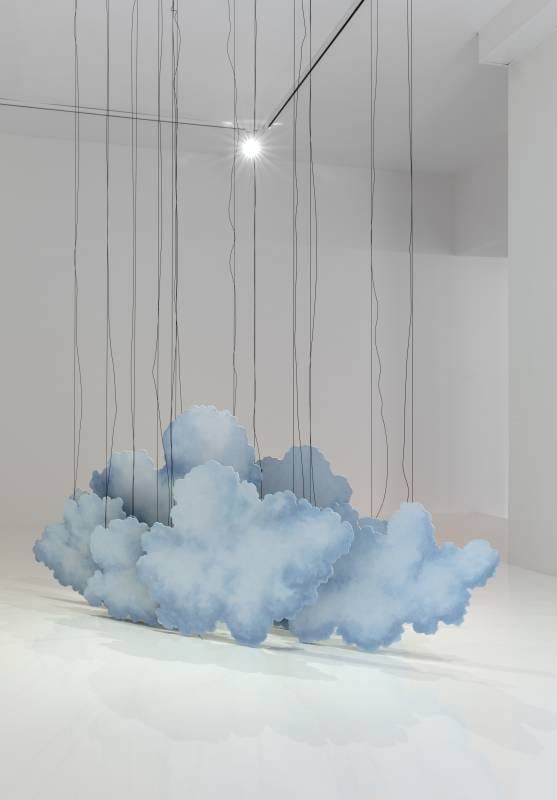
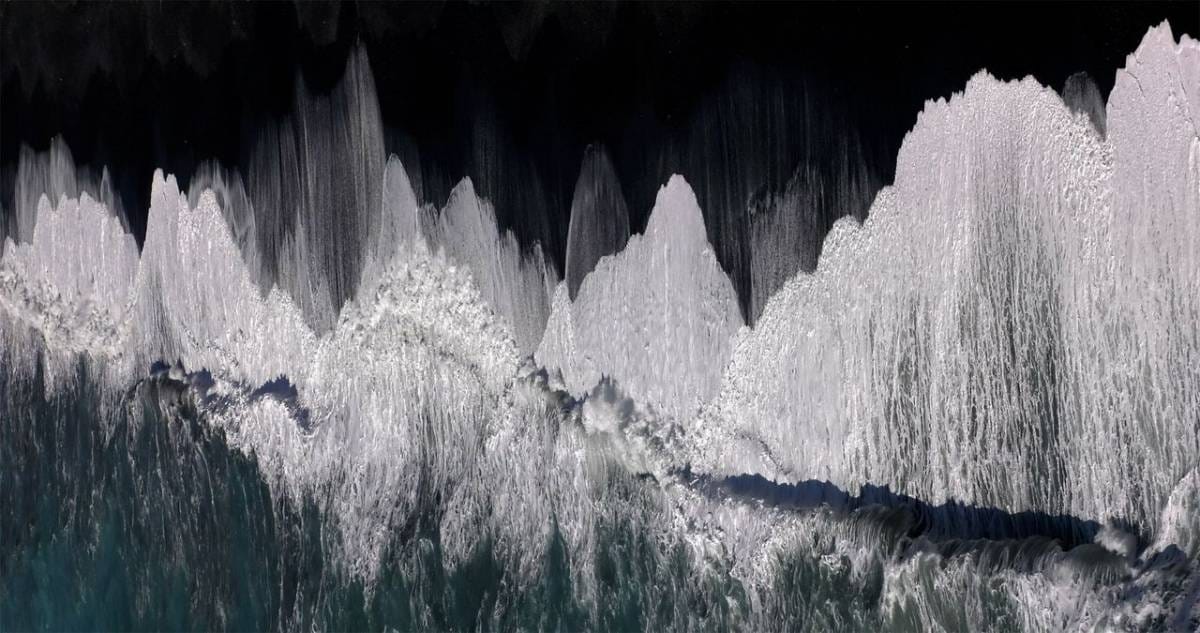
This juxtaposition of contemporary art and the great classical tradition is as relevant as it can be. Sculptures, installations, photographs, videos, films, paintings and drawings by some forty visual artists thus engage in a conversation with the 17th-century, demonstrating how poetic it still is today, with nature invariably fascinating each one of us, artists in particular.
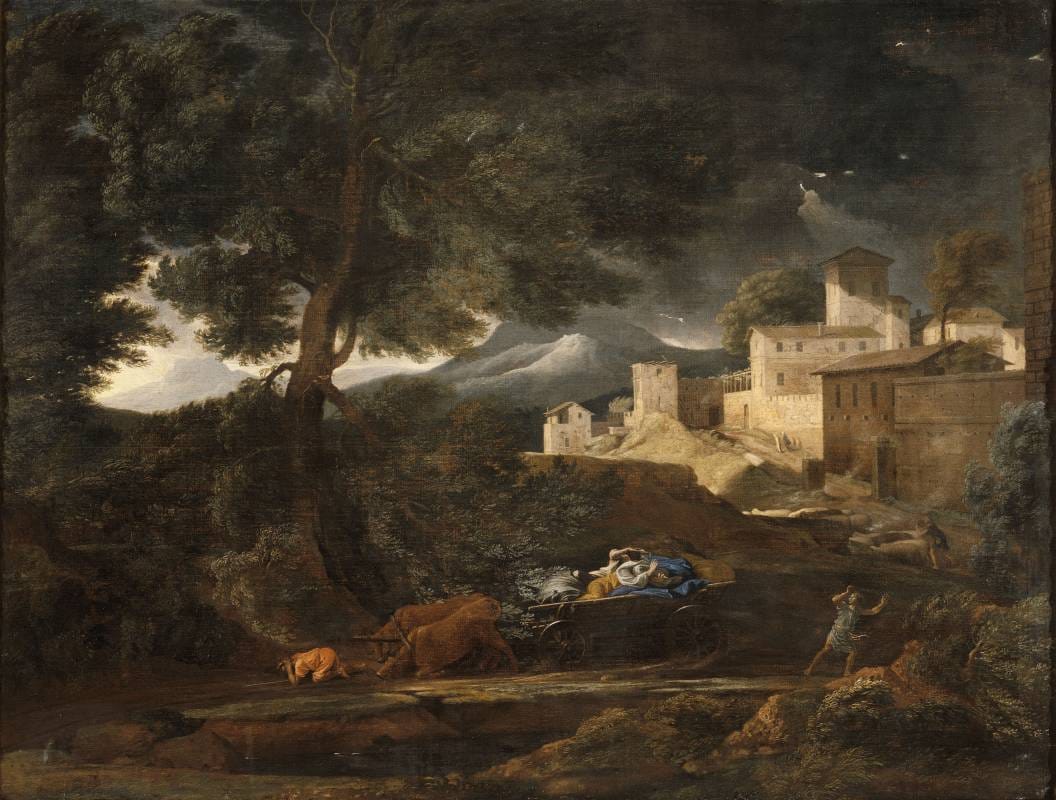
Divided into six sections, each offering a focused perspective on our planet’s mysteries, it is alternately revealing storms and nights, forests and gardens, seascapes and waterfalls, deserts and volcanoes, hills and mountains, crowned by flowers and butterflies. We are thus invited on a versatile journey exploring what the Ancient used to call the miracula naturae, that is, the wonders of nature.
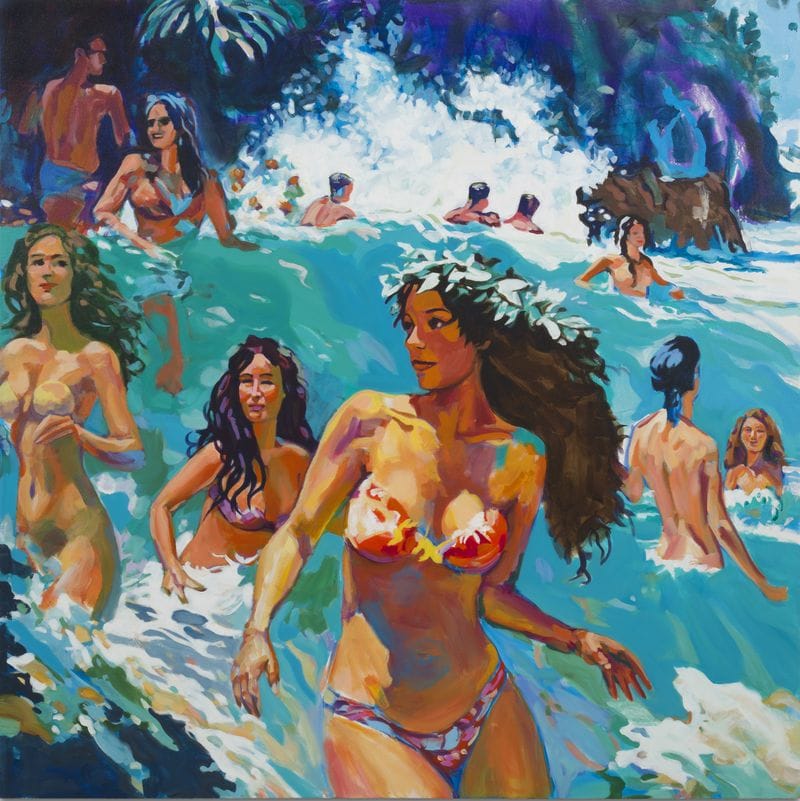
This exhibition may well be summed up by Van Gogh: “Cultivate your love of nature, for it is the only way to better understand art.”
“Le sentiment de la nature. L’art contemporain au miroir de Nicolas Poussin”
Villa Paloma
56, Boulevard du Jardin Exotique, Monaco
The “Festival du Peu” is rehearsing in Le Broc
From May 29 till June 21
An event like no other. Born in 2003 in Bonson, out of determination of its then mayor, the “Festival du Peu” is now exported to the charming village of Le Broc in Nice hinterland. Perched between the sea and the mountains, it is hosting a number of contemporary artists — Mona Barbagli, Alain Biet, Philippe Bresson, Caty Laurent, Jean Mas, Alain Vagh, Anne-Laure Wuillai, just to name a few. Under the direction of its founder, a leading figure of the Nice School, Jean Mas, the event is rightfully taking over the local narrow streets and small squares. Use this chance to discover this scenic little town perched on a rocky spur.
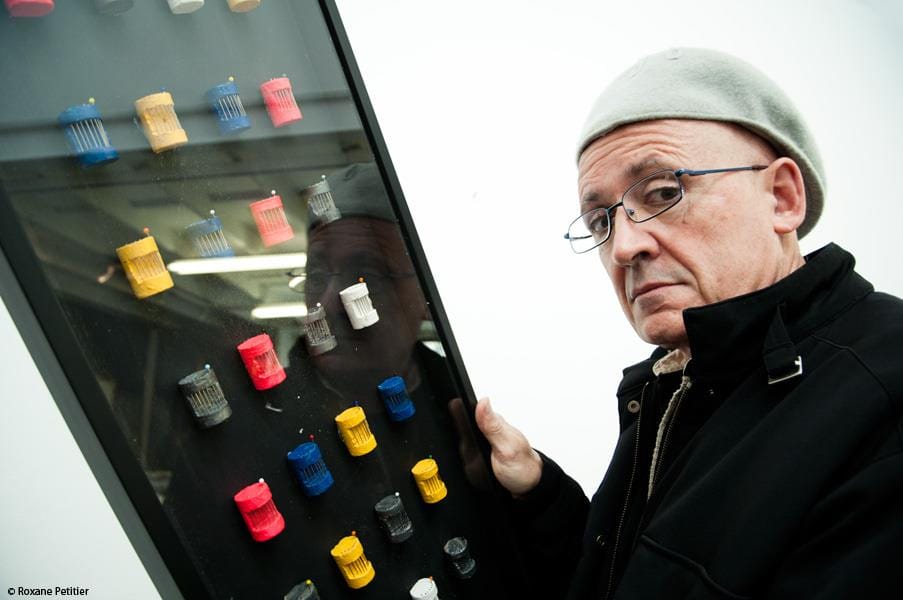
Led by Jean Mas, shaping the festival’s visual identity for nearly three decades, and by the founding vision of Jean-Marie Audoli, then mayor of Bonson, the festival champions a simple yet powerful idea: going down to the essential, a potent engine of creation and social connection. This year, the collective exhibition is exploring the theme of repetition.
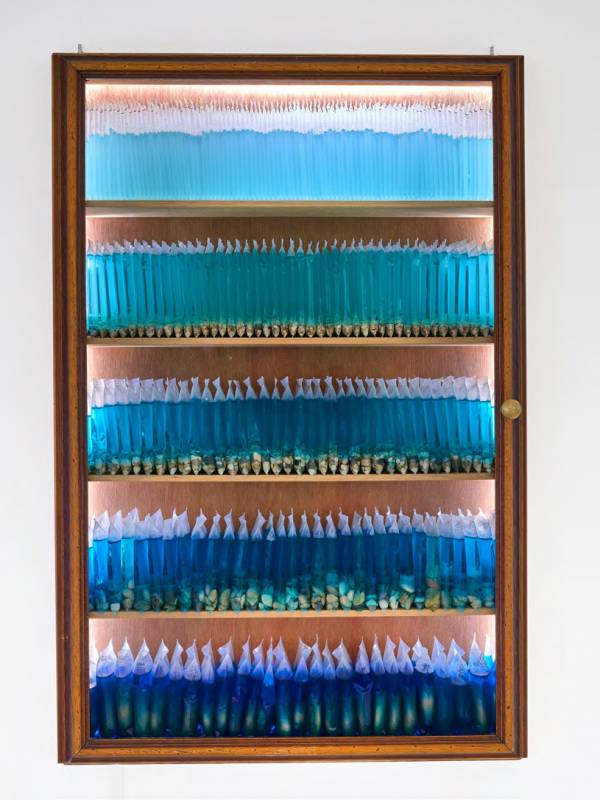
It is, in a way, a dialogue between what has been and what is yet to be.
Alongside multiple-practice artists, Jean Mas is a special guest of this Dress Rehearsal — inventor of the ineffable fly cage, he is a true expert in repetition and variation.
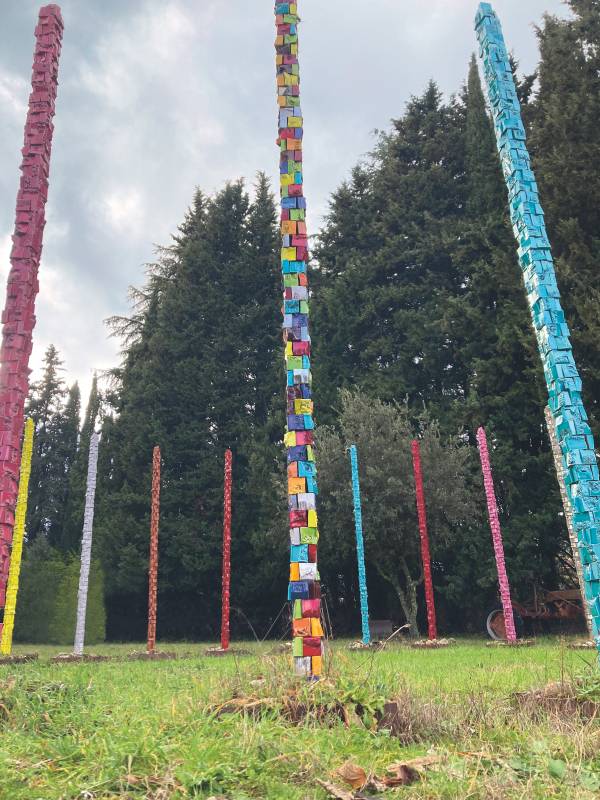
Rich in surprises, this edition is taking us on a journey through the baroque universe of visual artists celebrating an eternal return of the same, aptly acknowledging what the Greek philosopher Heraclitus once said, “You never step into the same river twice…”
“Festival du Peu”/ Festival of the Little
Le Broc (Nice hinterland)
Guided tours on Saturday: Christine Parasote, christine@pourpre.net