

“Way of the Cross” — Henri Matisse in Nice
Until January 19, 2026
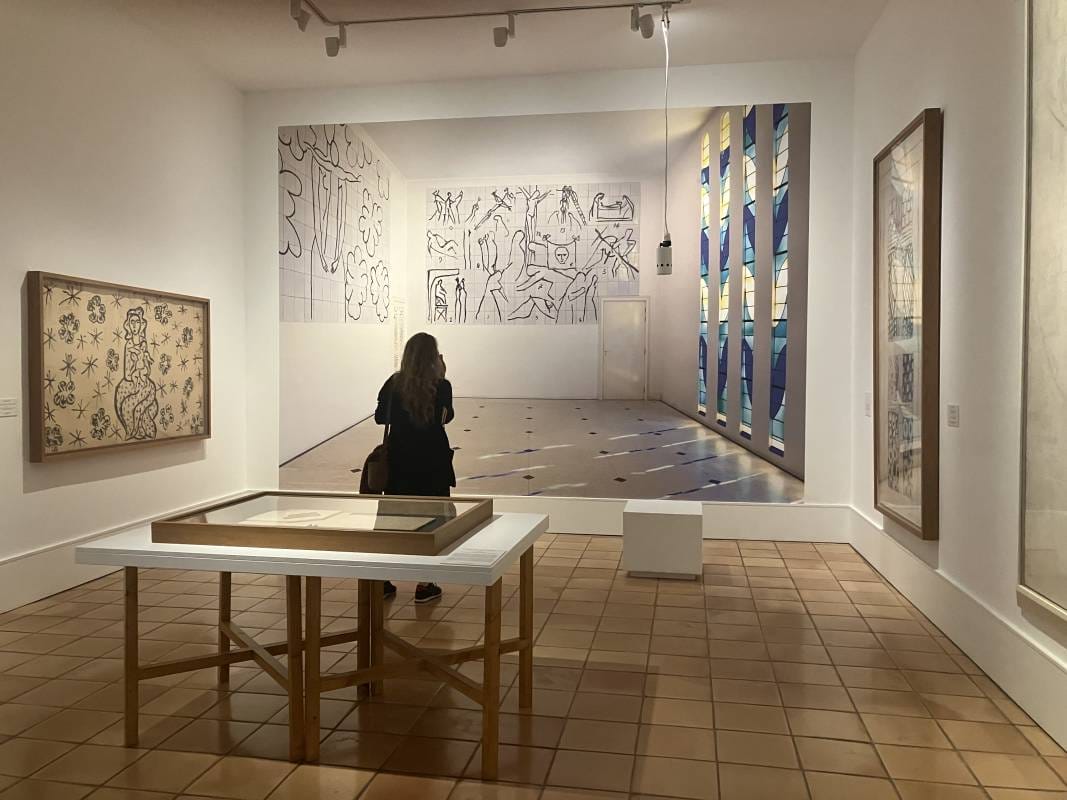
A unique exhibition at the Matisse Museum is honouring a monumental work crowned by the “Way of the Cross” specially designed for the Rosary Chapel in Vence. A collection of 85 sketches is thus visiting Nice before leaving for the United States, where it will be exhibited in spring 2026 at the Baltimore Museum of Art.
Both very small, but also very large, occasionally double-sided formats are introducing us to a long process of reflection, measuring the artist’s investment in creating this work. A true 20th-century art “monument”, the large ceramic is masterfully illustrating Matisse’s words: “A drawing puts a line around an idea.”
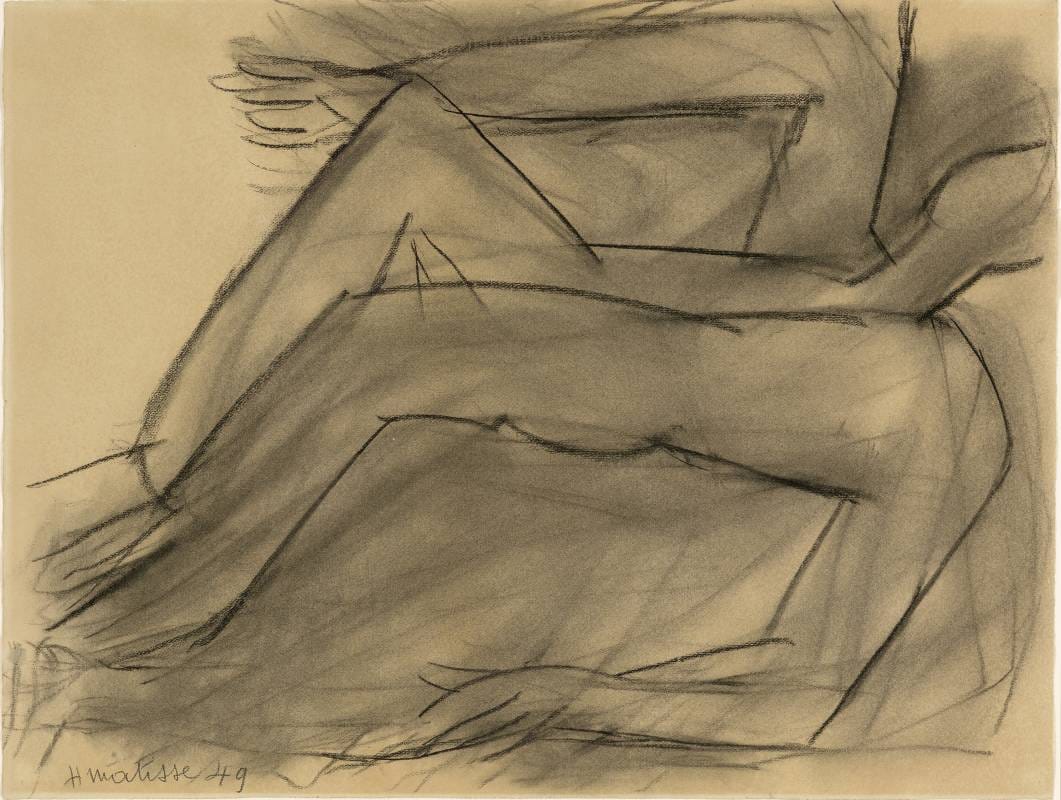
This rather rough composition depicting the 14 Stations of the Cross has become a subject of an in-depth study for the very first time. And yet, as the exhibition reveals, it had inspired more preparatory sketches and drawings than any other in the artist’s career. “I believe in God when I work,” Henri Matisse was saying. His temple? The studio where he would always reinterpret the motifs. The “revisions” tracing his hesitations, searches, tremors of the spirit, inherent to his drawings, contribute to this vibrant spirit. A magnificent way to explore the artist’s work indeed.
Considered his artistic and spiritual testament, the Rosary Chapel in Vence with its “Way of the Cross” is demonstrating how Matisse’s style was subjected to the requirement of an absolute. Rigour and power of drawing, a composition aiming for the essential, even divine. Sacred art has thus acquired a new dimension here, with Matisse rightly saying, “Whoever enters the chapel will find his spirit lightened.” The exhibition of preparatory sketchers for the Saint Dominic ceramic, courtesy of the Matisse Museum in Nice, is now open to the public at the Rosary Chapel in Vence. A fruitful cooperation for anyone interested in the work of Henri Matisse.
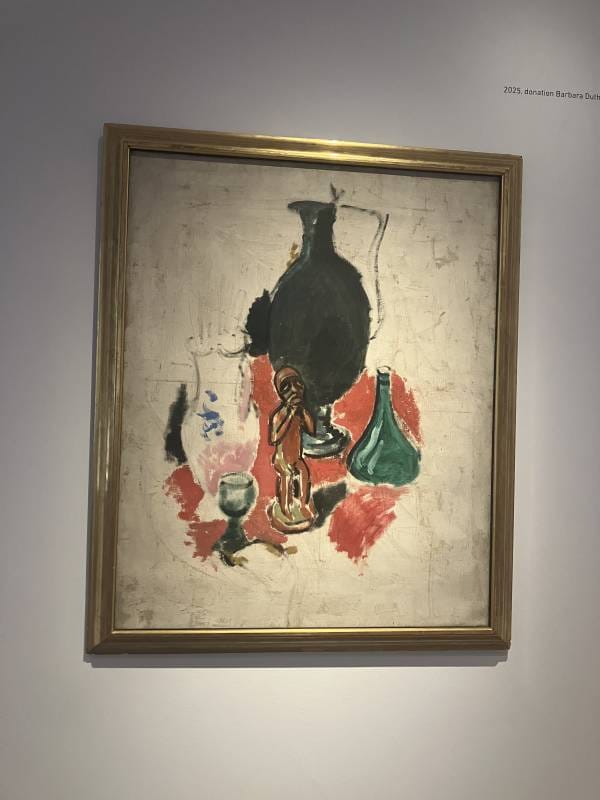
It must be said that the Matisse Museum has also recently received a masterful 1907 painting, the only one depicting one of the master’s favourite objects — an African statuette. “Still Life with an African Statuette” is a rare work opening up a dialogue between sculpture, hangings and fabrics. A universe that would be largely explored in the following years. Another reason to visit the Nice Museum.
Stations of the Cross. Drawing the Passion of the Christ
Matisse Museum
164, avenue des Arènes de Cimiez, Nice
Tel: +33(0)4 93 81 08 08
Saint Dominic, “a pillar”
Rosary Chapel
466 Avenue Henri Matisse, Vence
Tel. +33 (0)4 93 58 03 26
Caillebotte, Vallotton, Picasso, Renoir, Manet… in Aix-en-Provence
Until March 22, 2026
The Caumont – Art Centre in Aix-en-Provence gives a unique opportunity to discover a rare and inspired collection. To house these masterpieces, in 1968 Oscar Ghez founded his Petit Palais museum in Geneva (currently closed). This winter, this collection will thus be tracing the evolution of French painting from the late 19th century to the avant-garde 20th century.
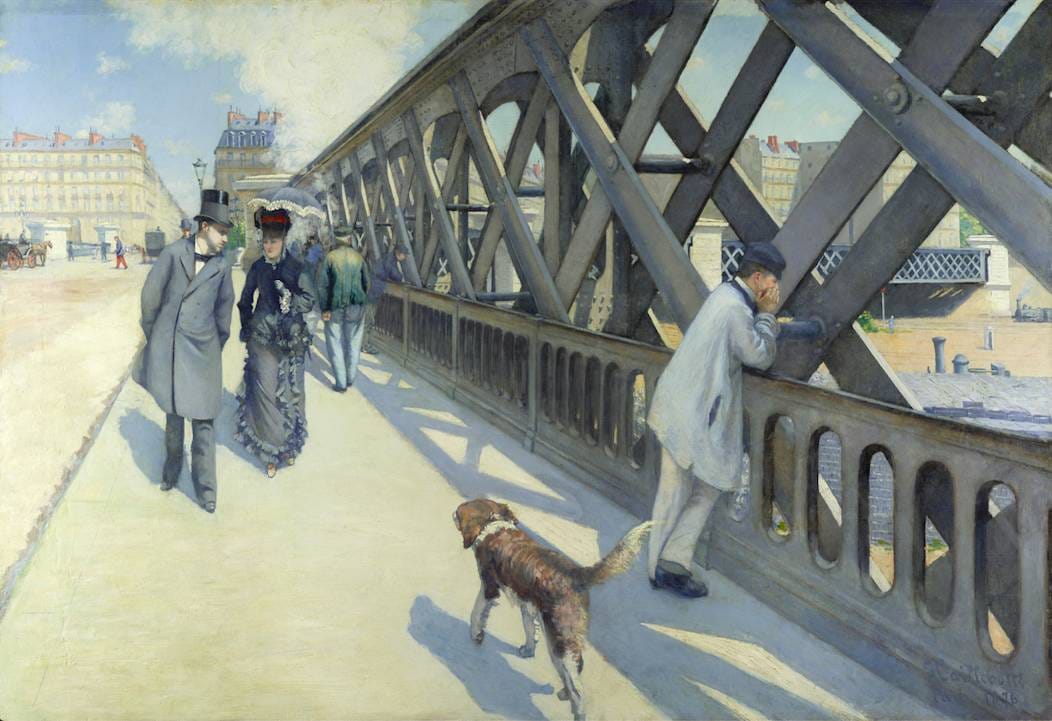

The exhibition is also introducing us to less well-known paintings by Picasso, Renoir and Manet.
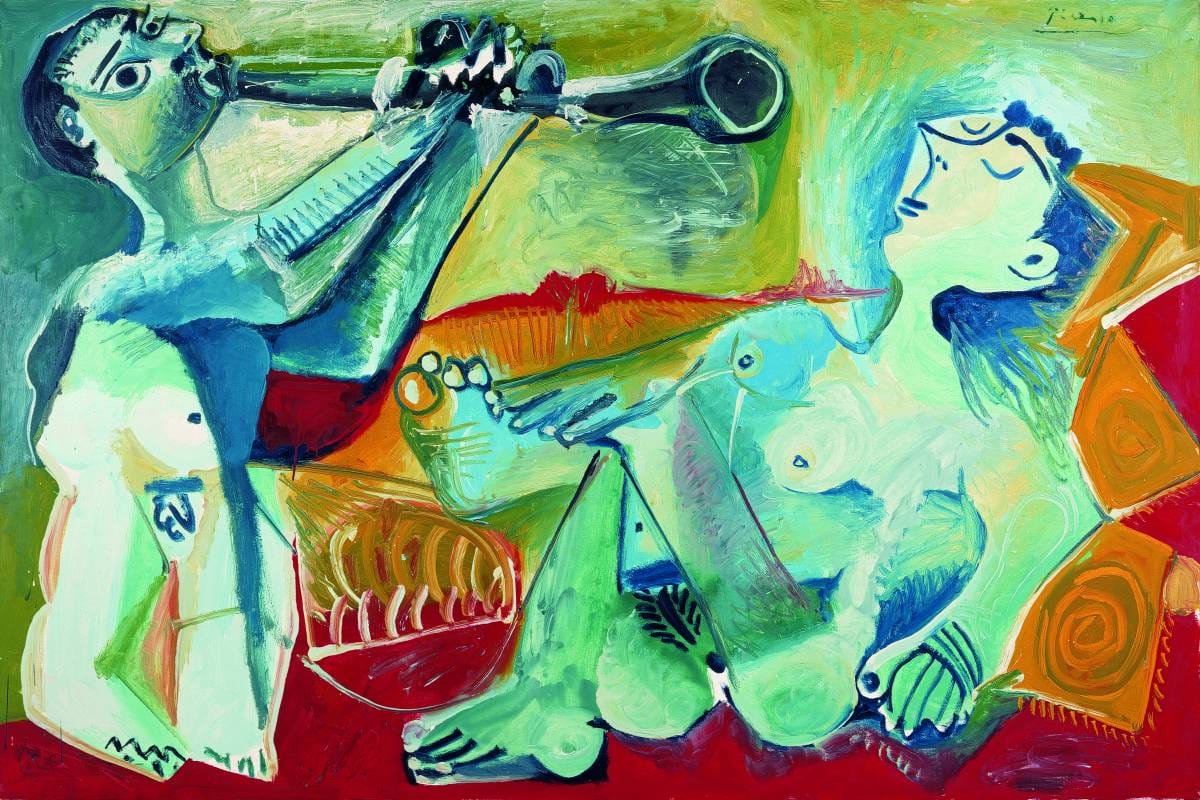
Some sixty major works are thus taking us on a chronological and thematic journey in an educational effort to show an evolution of French art from Impressionism to Cubism, including Fauvism, decorative painting and the School of Paris. Some 38 artists in total are represented.
This unique collection is demonstrating to what extent an enlightened eye may transcend fashions, discovering a visionary approach to the art of his time. Thanks to his impressive vision, Oscar Ghez has thus captured the turning points, moments in history when painting was inventing a new language.
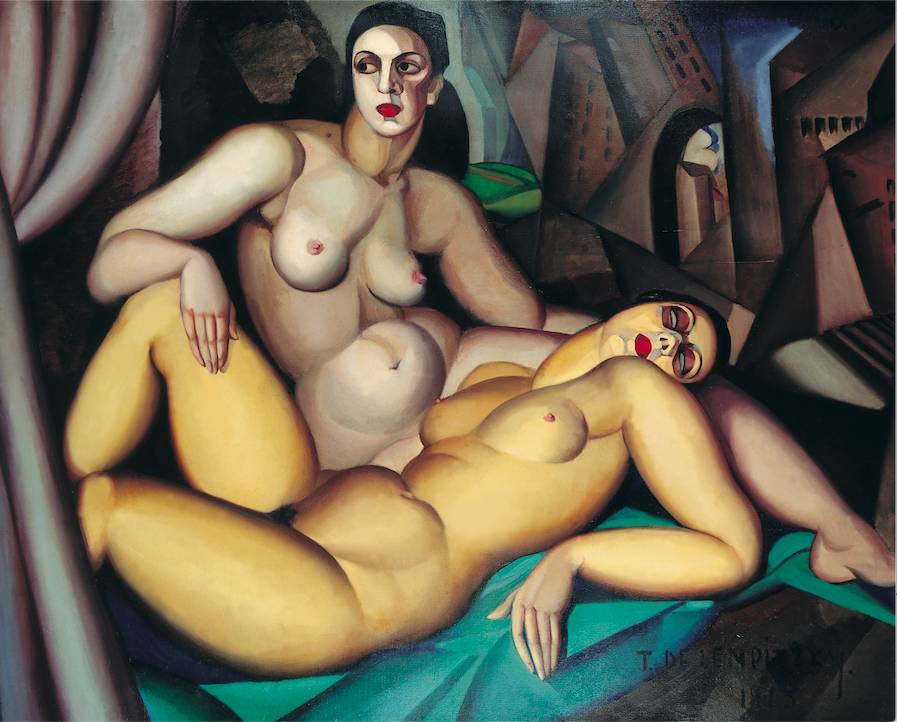
Regards d’un collectionneur. Chefs d’œuvre de la collection Ghez
Caumont – Centre d’Art
3, rue Joseph Cabassol, Aix-en-Provence
The Reminiscences of Elizabeth Colomba in Mougins
Until April 6, 2026
This winter, embark on a landmark exhibition at the Mougins Art Centre. Initiated by FAMM (Women Artists of the Mougins Museum), it is celebrating the work of Elizabeth Colomba. Famous in the United States, particularly in New York, she is little known in her native France. A graduate of Beaux-Arts National School in Paris, this young artist of Martinican origin has assimilated the Old Masters’ techniques. Inspired by them, she is now placing a Black model at the heart of mythologically-centred allegories. Using the power of portraiture, Colomba is reinstating women of colour in the history of art, giving each of her figures a central place.
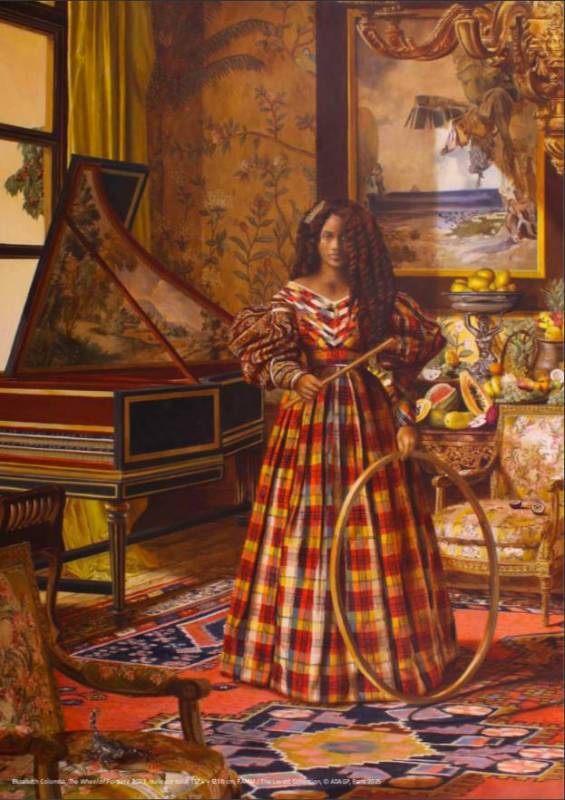
Colomba’s works are now part of prestigious private and public collections. This French woman artist has graced covers of some major magazines. The New Yorker (June 2022) is among them, marking the first Juneteenth anniversary (an American holiday to officially celebrate the end of slavery).
Bringing together some thirty works, some of them never presented before, this exhibition is taking on a major dimension in Europe.
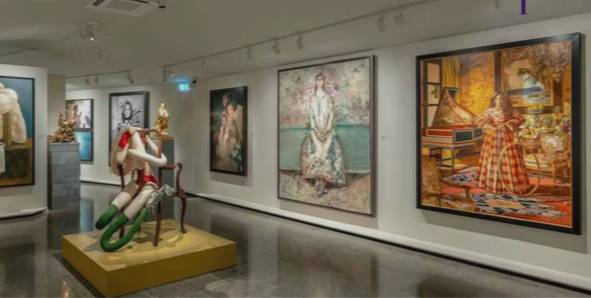
Fifteen large-format oil paintings, fourteen preparatory drawings and two watercolours are unveiling to us the world of this talented artist. Inspired by Vermeer and Ingres, Colomba is using her own means of expression, reflecting her perception of the universe. Using silks, pearls and precious stones, the artist is shaping her new vision of the Black identity.
Abound in historical references and symbolism, her works are celebrating women of colour long excluded from art history. To appreciate their sumptuousness in full, take your time in front of each of her paintings. Vibrant and explosive, they may be interpreted as many passionate life stories.
Réminiscence. Elizabeth Colomba
FAMM Centre d’art de Mougins
1 Place du Commandant Lamy, Mougins (old village)
Léger, Painter of Colour, in Biot
Until May 25, 2026
Fernand Léger passed away 70 years ago. To commemorate this anniversary, the Fernand Léger Museum in Biot is organizing a number of events. The latest echoes with the magnificent summer exhibition dedicated to colour at the Grimaldi Forum.
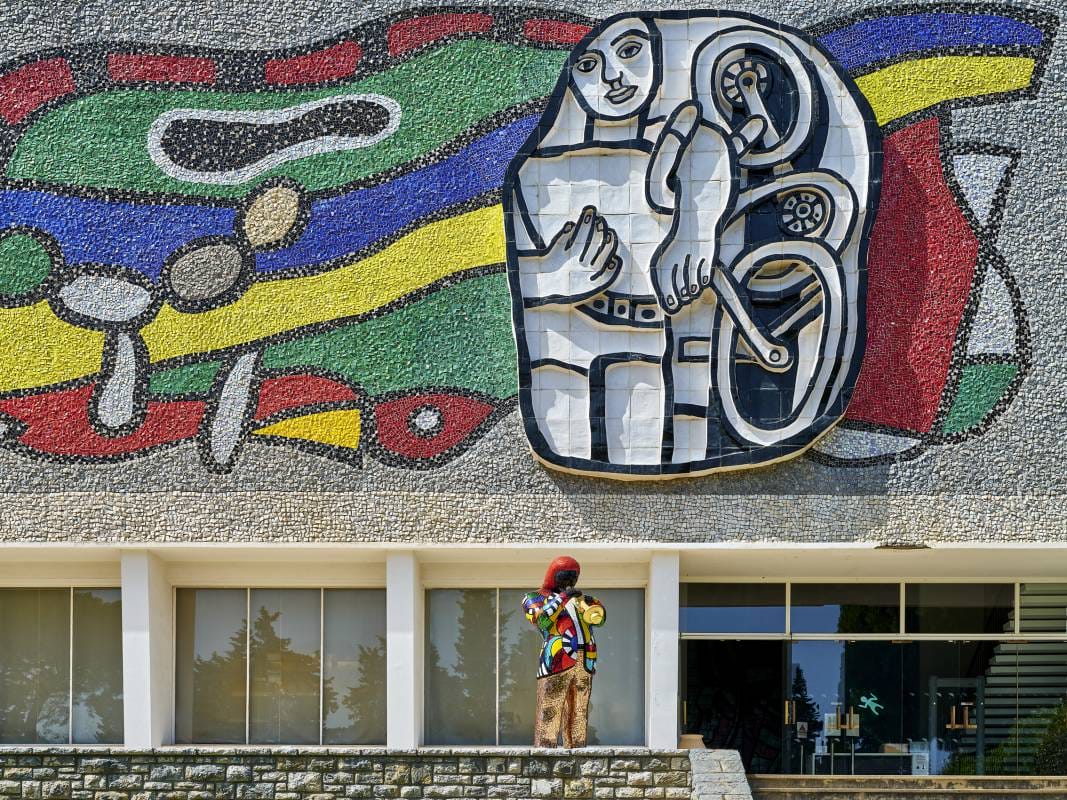
Throughout his work, Leger has demonstrated a true passion for pure colour, expressed in an infinite array of combinations and variations. Drawings, ceramics, paintings, stained glass and decorations. According to him: “Colour is a natural need, like water and fire. It is a raw material indispensable to life. At every stage of existence and history, man has associated it with his joys, actions and pleasures.”
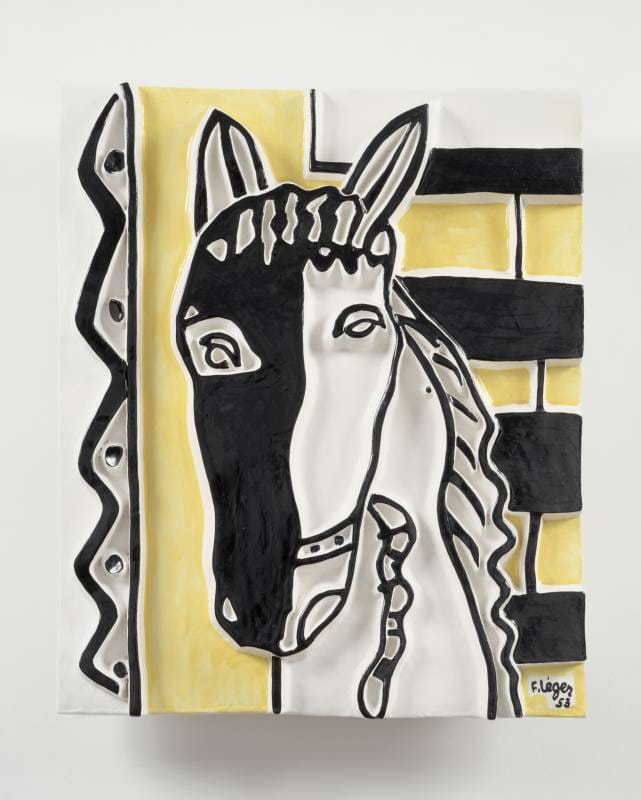
He is the one to have introduced colour into the world of Cubism, marked by its shades of gray in both Picasso and Braque’s early work in the 1910s. For Fernand Léger, colour is an essential comfort, bringing an enchantment to the world around, truly exploding in his monumental compositions and mural art.
“Before us, green was the tree, blue was the sky… After us, the colour became an object in itself.” Hence the importance of this scenography, focusing on yellow, the artist’s favourite tone. A vital necessity for Fernand Léger, as for so many other fellow painters, colour is truly illuminating this museum in Biot.
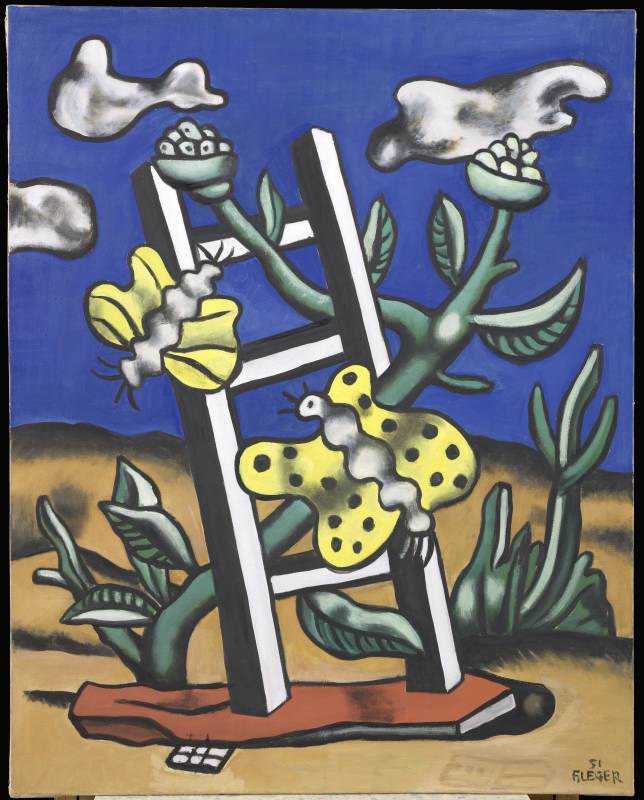
The second part of the exposition is particularly highlighting this compelling need for bright, powerful, lyrical colours, crowning the celebration of the painter’s 70th anniversary of his death.
2nd part of the new collection: “Léger, peintre de la couleur“
Musée national Fernand Léger
255 chemin du Val de Pôme, Biot