



In the shadows of the Rock where sun dances on terraced paths and exotic birds used to chatter among visitors, an unusual stillness has settled. The Jardin Animalier Rainier III, Monaco’s beloved zoological garden will remain closed for all of 2026. What might have been a spring day filled with laughter and wandering families remains instead a site of meticulous work, quiet vigilance, and ambitious transformation.
Safety First… Securing the Cliff Above
The decision to keep the garden shuttered isn’t whimsical. Monaco’s Princely Palace has confirmed that extensive safety works on the cliff face above the garden are ongoing, and they are anything but simple. These cliffs, part of the dramatic limestone escarpment known locally as “le Rocher,” require careful engineering to mitigate rockfall risks and guarantee the long-term safety of both the animal residents and eventual visitors.
Imagine engineers and geologists scaling rock faces, reinforcing precarious sections with anchors and supports, and carefully managing vegetation that has grown over decades. Below, the terraces of the garden wait silent, but safe. This preparatory effort is the indispensable foundation for what comes next.
A Vision Beyond the Fences: Modernisation Ahead
Once safety is assured, the project switches gears. Prince Albert II, guardian of this legacy founded by his father Prince Rainier III in 1954, has decreed a comprehensive modernisation.
This isn’t merely a facelift. The vision is to create larger, more naturalistic habitats that reflect modern standards of animal welfare, complete with abundant vegetation and thoughtfully designed spaces where more than one species can thrive together comfortably, a step toward ecological sophistication. The classic visitor pathway will be entirely reimagined, aiming for an immersive experience that harmonises with nature rather than simply exhibiting it.
In other words: when the gates reopen, the Jardin Animalier won’t just be a place to see animals, it will also be a place to understand them.
Legacy and Evolution: A Miniature Zoo with Heart
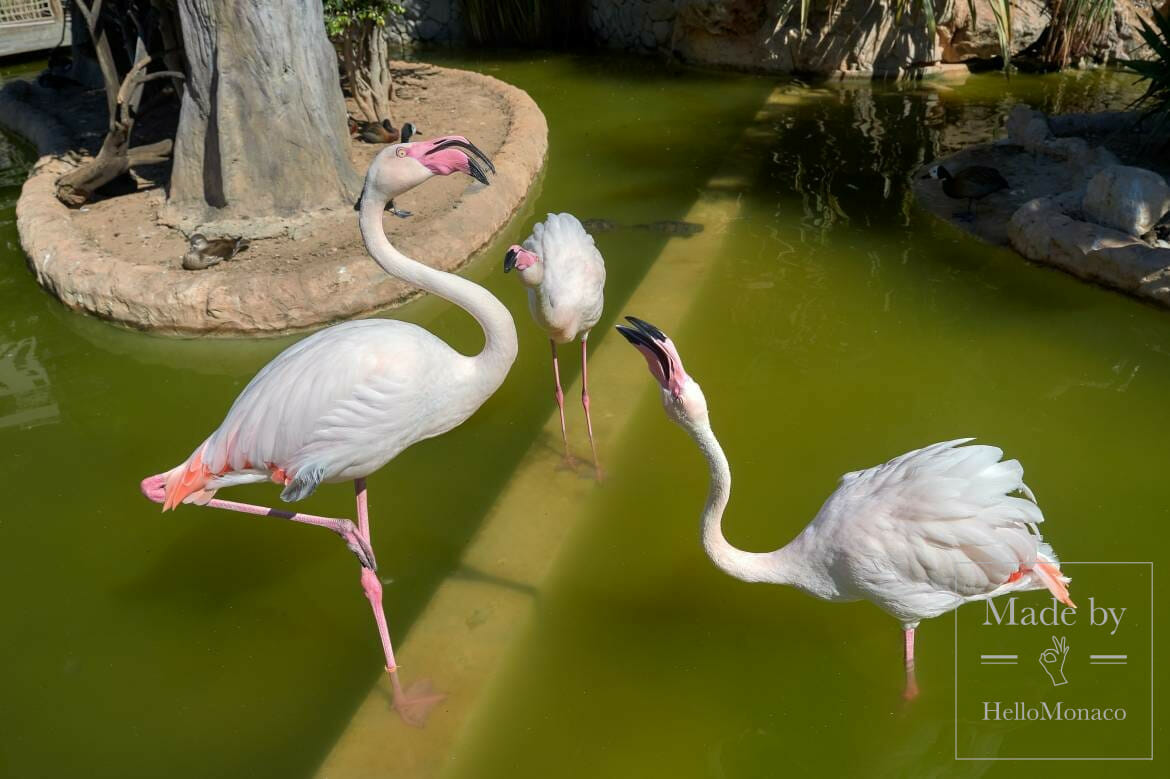
Though small, about one hectare spread across four levels on the cliff’s southern slope, the garden has long captured hearts. Historically, none of its residents were bought; they were donated, rescued, or transferred, embodying a spirit of care rather than collection.
This ethos traces back to Prince Rainier III himself, whose fascination with wildlife and uncompromising curiosity in the 1950s sparked the garden’s creation. Over the decades it became home to hundreds of animals from dozens of species, from exotic birds to tortoises and tamarin monkeys, offering an educational oasis in the heart of one of Europe’s smallest countries.
Yet times change. Attitudes toward captivity, conservation, and animal well-being have evolved, and now Monaco intends its garden to evolve with them.
What 2026 Will Bring
For now, paths overgrown and viewing platforms unused, the garden remains under wraps. Visitors in 2026 will instead see quiet construction, careful engineering, and the promise of renewal. Updates will be shared through the garden’s social channels, ensuring the public stays connected throughout this transformative year.
When at last the Jardin Animalier Rainier III reopens, it will be more than a monument of Monaco’s heritage. It will be a bridge between tradition and contemporary conservation, a place where children, and adults, can rediscover the wonder of the animal kingdom under a new light.