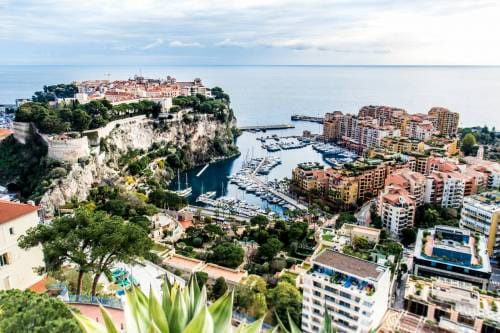





Monaco’s lavish reputation as a gaming destination is legendary. Glittering casino halls line the streets of Monte Carlo, deeply woven into the fabric of local culture and state policy. Yet, look closer at how digital operators interact with this famously strict market, and the story quickly changes. Here, gambling law sets firm boundaries for brick-and-mortar establishments, but hardly acknowledges the existence of their digital counterparts. The result is a regulatory landscape where tradition and economic strategy leaves online casino activity largely influenced by foreign rules, not local ones.
Core legal framework
Everything officially funnels through Law No. 1103, the Gambling Act of 12 June 1987. This statute lays out every legal step for land-based gaming: who can play, how venues must operate, what oversight looks like. The responsibility falls to Monaco’s Gambling Authority, anchored within the Ministry of Finance. They supervise everything from the green felt tables to rigid checks on player eligibility. Foreigners over 18 can step onto the casino floor. Locals, however, are barred; this ban on Monégasque citizens traces back generations and remains uncompromising.
When it comes to the internet, things are far murkier. Law No. 1103 says nothing about digital gambling, leaving the subject untouched. So, there is no parallel system governing online play, not even a section relegating it to future review. The absence is glaring. It leaves casino online platforms drifting outside Monaco’s legal net entirely, defining the country’s approach as one of intentional omission rather than oversight.
Status of online gambling
There’s no targeted legislation, no licensing board, and no government office focused on digital betting. There is no process in place for an online casino operator to obtain a Monégasque licence or official recognition. Technically, online gambling operates in a kind of legal limbo. Residents don’t get clear permissions, but there’s also no outright ban or active prosecution.
Instead, locals play on sites registered elsewhere, Malta, Curaçao, the UK, places that have written the rules for fair digital play. Any question of recourse, dispute resolution, or safety boils down to the standards of the licensing country, not Monaco. Since local authorities play no part in direct oversight, Monégasque players are left wholly dependent on these foreign systems for consumer protection or response to wrongdoing.
How online casinos fit into Monaco’s system
For officials, online casinos simply exist as outside services, not domestic concerns. The Gambling Authority’s authority ends at the door of the land-based salons. When it comes to online platforms hosted abroad, there’s nothing to audit or license, and no Monégasque rulebook for operator behavior. Operators never have to register locally, nor do they meet domestic standards for technical security or anti-money-laundering. All functional requirements are imposed by their home jurisdiction.
For those who live in Monaco, this creates an oddly detached reality. Their use of online casinos is practically invisible to local authorities, so long as general legal thresholds, age, for example, are respected. Physical casinos remain strictly regulated, targeting affluent tourists, while online play occupies a gap filled mostly by individual choice and offshore compliance.
Residents, access, and taxation
While citizens can’t even set foot in Monaco’s famed gaming rooms, they have free digital access. Out of the principality’s roughly 38,000 residents, any adult who meets the age criteria can log on to international gambling sites. There are no technical firewalls, legal restrictions, or punitive actions imposed for such access.
What’s more, there is no taxation. With no income or capital gains tax on individuals, online or land-based casino activities aren’t touched. This aligns with Monaco’s broader fiscal policy, where public revenue is drawn chiefly from its physical casino business and the tourist economy. Online gambling persists as a loosely supervised, small-scale option, an offshoot more than a core sector. Regulatory gaps remain clear. Authorities neither block sites nor chase local gamblers, sticking instead to the traditional, tourism-focused model.
Conclusion about responsible gambling
Monaco’s unusual approach leaves digital players to navigate the online casino world by relying on foreign rules. With no local safety net, Monégasque gamblers must weigh risks, pick operators licensed by trustworthy authorities, and take charge of their own habits. Using platform tools like self-exclusion, setting spending limits, and seeking outside advice all play a part. Staying alert, informed, and cautious makes all the difference in a system defined far more by tradition and tourism than by local regulation.