




Monte-Carlo was not just hosting tennis greatness, it was part of it. There are semi-finals that decide a tournament. And there are semi-finals that reveal it.
On this Monaco Saturday the Rolex Monte-Carlo Masters offered both: a demonstration of hierarchy… and a defiance of it.
Semi-Final I: Precision and Power: Sinner Draws the Line
In front of a crowd that felt, at times, more Italian than Monegasque, Jannik Sinner delivered something close to a statement performance.
Across the net stood Alexander Zverev, a player whose ranking and pedigree suggest balance at the very highest level.
Score: Sinner def. Zverev 6–1, 6–4
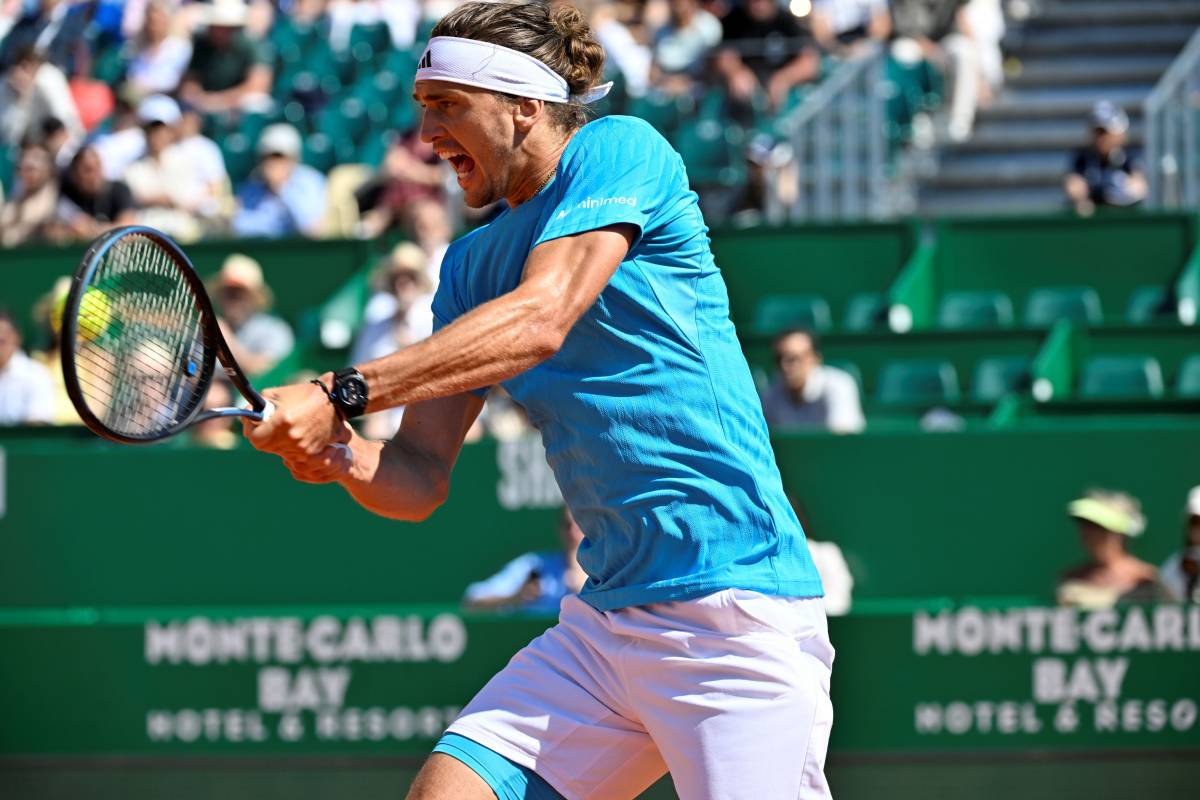
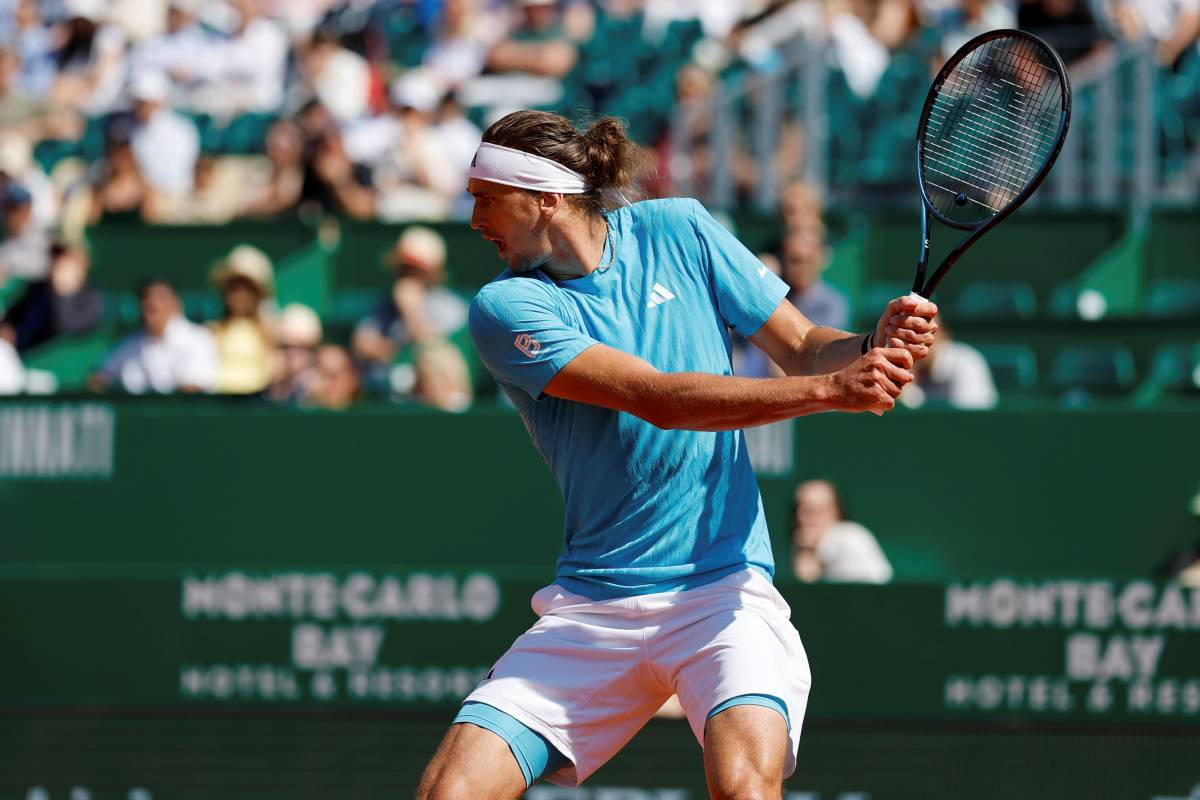
Sinner did not just overpower. He controlled. From the opening exchanges, he dictated tempo with quiet authority. His groundstrokes, clean, linear, unhurried, forced Zverev into a reactive role, chasing patterns he could not disrupt.
What stood out was not aggression, but clarity.
The difference between world No.2 and No.3 should be marginal.
On this court, it wasn’t.
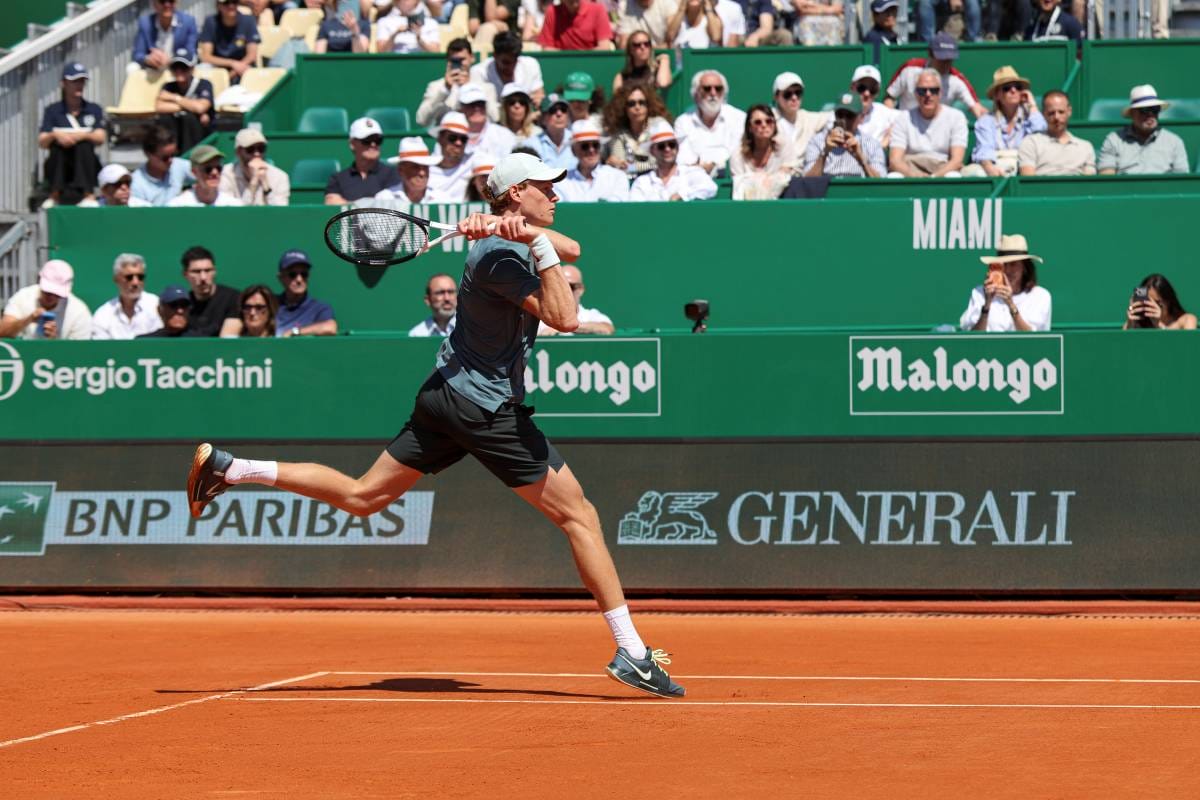
The terraces told their own story. Italian voices, flags, rhythm, an extension of the nearby border.
Sinner, still chasing his first title here, carries something rare: not just expectation, but affection. There is, unmistakably, a trace of Roger Federer in the way he is received, a modesty and elegance that invites loyalty.
Semi-Final II — The Match That Mattered Most for Monegasques
If the first semi-final was about control, the second was about belief. And belief, in Monaco, is rarely loud. Until it is.
Because this was not just a match.
This was a moment carried by local hero Valentin Vacherot.
Facing him: Carlos Alcaraz, world No.1, a player capable of compressing space and time into something almost unfair.
On paper, two years ago it would have been a mismatch. On court, this year in 2026 it became something else.
A Principality Finds Its Voice
From the opening games, it was clear: Vacherot had brought weapons. A serve that repeatedly disrupted rhythm. A refusal to yield. And something less measurable, conviction.
Each hold of serve felt like a declaration. Each point won, a shift in possibility.
And the crowd responded. Monaco, in full voice.
Red and White flags by the hundreds. Songs rolling across the terraces. A sustained, collective push rarely seen here.
If belief alone could tilt a match, this one would have turned.
Alcaraz, Uncompromising
But across the net stood a different reality.
Carlos Alcaraz did not offer the opening that underdogs require. There was no dip, no lapse, no hesitation.
There was brilliance.
Drop shot after drop shot, executed with audacity and precision, pulled Vacherot forward, disrupted his rhythm, and reasserted control. From the baseline, Alcaraz dictated with pace and variation, never allowing the match to escape him.
Score: Alcaraz def. Vacherot 6–4, 6–4
This was not survival. This was mastery.
How Close Was It?
Closer than the score suggests. Because Vacherot did not fade. He resisted.
He pushed with his serve. He fought through exchanges. He kept the crowd alive, and with it, the tension.
And for fleeting moments, something shifted: The sense that history might bend.
But it didn’t. Not this time.
Monaco marked the occasion with quiet ceremony.
Prince Albert II was present in the Royal Box, attentive and visibly engaged as the Principality’s own player carried its hopes deep into the afternoon.
His presence added weight to the moment, not as spectacle, but as recognition.
By sunset, the finalists were decided.
But the story of the day belonged, in part, elsewhere. Because for a few hours on Centre Court, Monaco stopped being a setting. It became a contender.
And even as Carlos Alcaraz moves forward, and Jannik Sinner closes in on his opportunity, something quieter, but perhaps more lasting, has already taken place:
For years, Monaco hosted greatness.
Now, it has found its own.
World #1 Title on the Line
The final will also see the world No. 1 spot on the line.
“I think it’s the dream scenario for everyone,” Alcaraz said after his semi-final. “I’m fighting for a second Monte-Carlo title, he’s fighting for his first.”
Alcaraz is contesting his third Monte-Carlo Masters final, and defending his #1 title. Sinner is fighting to wrestle the Monte Carlo title from Alcaraz in front of his adoring Italian fans and ascend to #1 in the world. Monte Carlo couldn’t ask for more in a final.
Valentin Vacherot: Monaco’s Explosive Force
Valentin Vacherot did not climb the rankings. He crashed through them.
Ranked No. 204, he arrived in 2025 at the Shanghai Masters as a qualifier, and left as champion, dismantling the draw: Bublik, Machac, Griekspoor, Rune, then Novak Djokovic, before defeating Arthur Rinderknech in the final.
Monte-Carlo 2026 confirmed it was no anomaly. On home clay, he swept past Musetti, Hurkacz and De Minaur to become the first Monégasque semi-finalist in the tournament’s history.
Even in doubles, a semi-final run at Indian Wells underlined a complete, aggressive game built on serve and nerve.
Coached by his half-brother Benjamin Balleret, Vacherot is not a moment. He is an explosion.