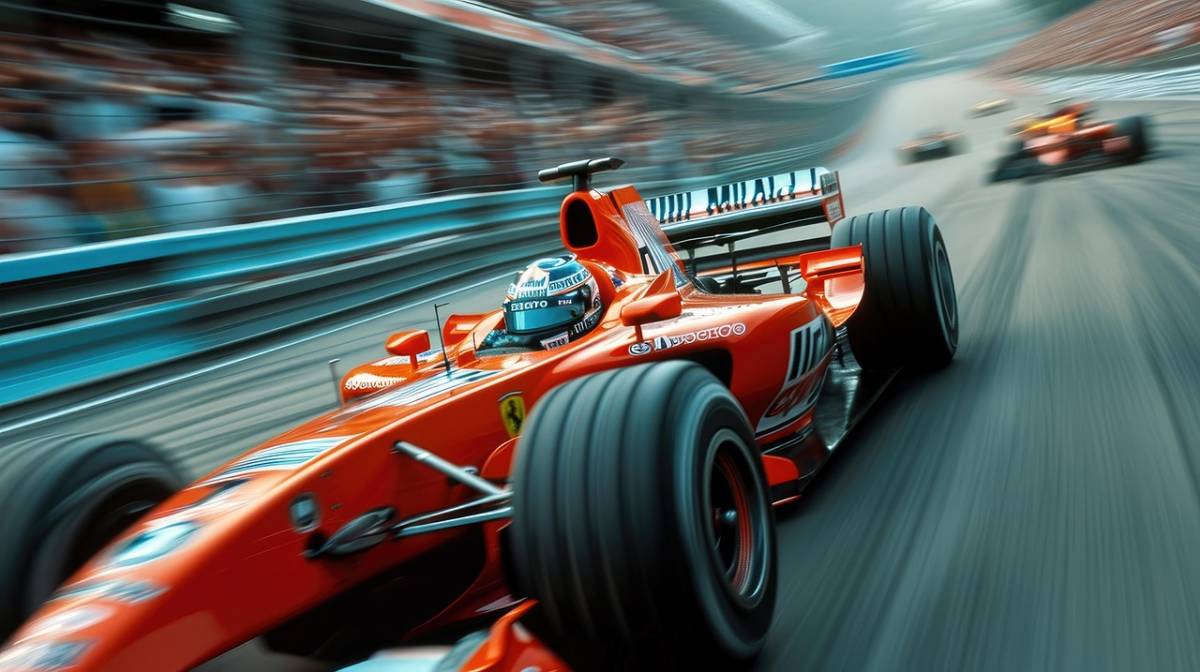


Formula 1 occasionally produces races that feel like a mirror image of expectation. The 2026 Chinese Grand Prix at the vast Shanghai International Circuit was one of them.
Both Mercedes-AMG Petronas Formula One Team and Scuderia Ferrari arrived in China with clear championship teams with lead drivers, Russell and Leclerc. Yet by Sunday afternoon the race had produced an intriguing inversion. The drivers expected to lead their teams found themselves finishing behind their own teammates.
The symmetry was striking. Mercedes celebrated a one-two victory, while Ferrari found itself in a fascinating internal duel that quietly shaped the outcome of the race.
Mercedes’ New Star Emerges
At Mercedes, the story was straightforward, and historic. 19 year old Italian Kimi Antonelli made history as the sport’s youngest-ever polesitter. The start of Sunday’s race saw Antonelli lose his lead to the fast-starting Ferrari of Lewis Hamilton, but the Mercedes driver later returned to the lead. He would hold from then on. He delivered a mature and commanding performance to secure his first Formula 1 victory, leading home teammate George Russell.
Antonelli had controlled the race with calm precision, particularly through Shanghai’s famously long back straight, where slipstream battles often decide the Grand Prix. There was little need for intervention from the Mercedes pit wall.
But behind them, the race for the final podium position told a more complicated story.
Ferrari’s Strategic Dilemma
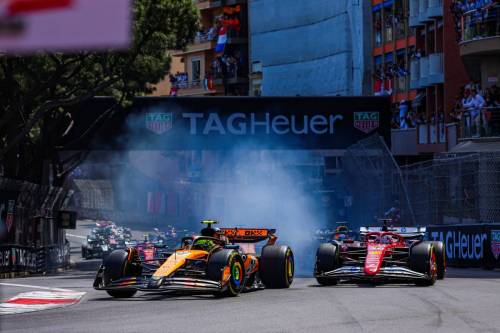
For Charles Leclerc, the race carried a distinctly different rhythm. Ferrari’s two drivers spent much of the afternoon locked in a close contest, circulating nose to tail. The battle was clean, intense, and entirely permitted by the pit wall.
And that decision became one of the most interesting elements of the race. Ferrari team principal Frédéric Vasseur made it clear afterwards: there would be no team orders. Both drivers were free to race.
The reasoning was understandable. It is early in the championship, and Ferrari is eager to avoid establishing a hierarchy between its two stars too soon. Yet the freedom had consequences.
The Fight That Cost Ferrari
While the scarlet cars battled each other, the podium was quietly slipping away.
The duel between Leclerc and Lewis Hamilton was thrilling to watch, two generations of Ferrari ambition running wheel-to-wheel, but it also consumed time and tyres.
In the closing phase of the race, Hamilton eventually secured third place, with Leclerc just behind. Lewis Hamilton claims the Chinese Grand Prix was one of the most enjoyable races he had ever had after a thrilling battle with team-mate Charles Leclerc. This is Hamilton’s first Grand Prix podium since joining Ferrari!
Inside the paddock, however, a subtle question began circulating. Had Ferrari sacrificed a chance to challenge Mercedes for second place by allowing the internal fight to continue?
The time lost during the Ferrari duel may have allowed Russell to escape beyond reach. It is the kind of strategic calculation that often only becomes visible once the race is over.
Meanwhile reigning World Champions McLaren bombed out in Shanghai, as neither Lando Norris or Oscar Piastri were able to start Sunday’s Grand Prix due to technical problems on their MCL40s.
And Max Verstappen left Shanghai a very disappointed man, as the four-time World Champion had to retire mid-race and scored no points all weekend. Red Bull just could not challenge the pace of the leading teams.
Leclerc’s Quiet Strength
For Monaco fans, the Shanghai race still revealed something important about Charles Leclerc’s campaign. He drove with patience. Instead of forcing moves that might have damaged tyres or risked contact, Leclerc managed the race carefully, waiting for opportunities that never quite appeared.
It was not a dramatic performance but it was composed and intelligent. And over the course of a long championship, those are often the races that matter.
A Season Without Hierarchies
Perhaps the most intriguing takeaway from Shanghai was the absence of rigid team hierarchies. Mercedes allowed their drivers to race naturally. Ferrari did the same.
For now, Formula 1’s two great rivals appear reluctant to impose clear internal orders. That freedom produced a curious spectacle in China, Mercedes’ usual leader finishing behind his teammate and Ferrari’s expected spearhead doing the same.
Two teams. Two reversed hierarchies. One fascinating Grand Prix.
And for the fans following Monaco’s Charles Leclerc, one clear message: the fight inside Ferrari is still very much alive, and the 2026 season is only just beginning.