

Monaco has always had a glamorous reputation. It’s a place people associate with Formula One, luxury hotels, famous visitors and one of the world’s most recognisable casinos. But spend some more time here and you’ll see that behind the glamour there are quiet corners, old traditions, neighbourhood markets and views that make you forget you’re in one of Europe’s busiest destinations.
Beyond the Place du Casino
Monte-Carlo gets most of the attention, with its grand buildings, the famous Casino de Monte-Carlo and the Belle Époque style that’s shaped Monaco’s reputation. But Monte-Carlo is only one part of the 2 km² principality.
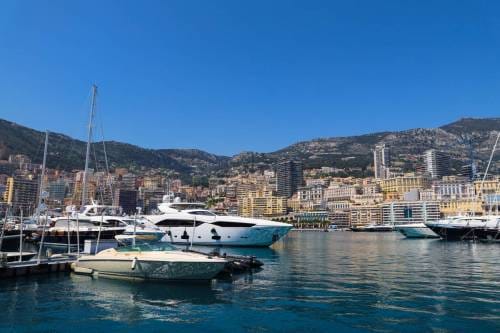
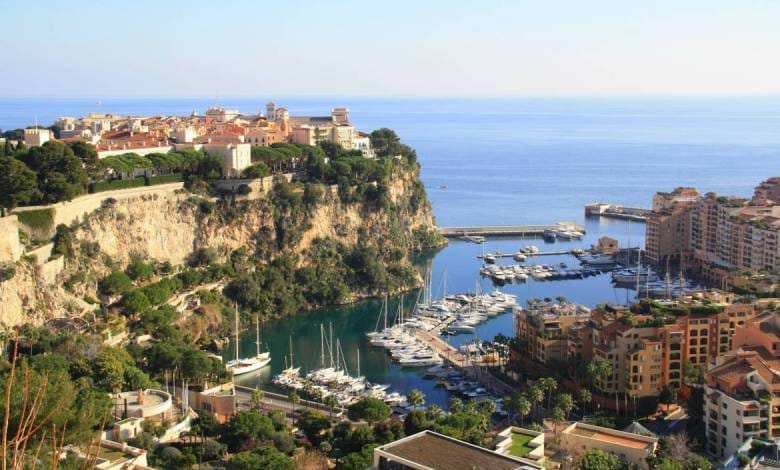
Monaco-Ville feels like another world. The old streets lead towards the Prince’s Palace, where the Grimaldi family has lived for more than seven centuries. La Condamine has a different pace, with Port Hercules and the market showing the more everyday atmosphere. Over in Larvotto, the focus shifts to the sea, with its beach and promenade. Fontvieille and Mareterra tell another story. They were built on land reclaimed from the sea and show how Monaco has made the most of its limited space.
Small Country with Plenty to See
The Prince’s Palace is an obvious stop, but there’s plenty beyond it.
One of the main attractions is the Oceanographic Museum, while the Museum of Prehistoric Anthropology and the New National Museum of Monaco add a quieter, more thoughtful side to a visit.
Then there are the gardens. The Japanese Garden is a peaceful break from the city streets, while the Jardins des Boulingrins and Jardin Exotique bring greenery and panoramic views.
The coastline also deserves some attention. Larvotto is the main beach, but the Cove des Pêcheurs offers a more hidden spot beneath the Rock. The Rainier III breakwater solarium gives divers a unique place to explore the water.
Inside the Casino De Monte-Carlo
But even people who aren’t interested in gambling usually want to see the Casino de Monte-Carlo. The building itself is the big reason. Designed by Charles Garnier, the architect behind the Paris Opera House, it feels closer to a historic landmark than a traditional casino, and the marble, crystal chandeliers, mosaics, caryatids and detailed interiors are impressive before you even reach the gaming rooms. Morning visits are focused on the architecture. It’s a quieter way to experience the building, and even children are allowed during these hours with the last admission at 12:15 pm.
Later in the day, the casino changes. Visitors need a photo ID for the gaming areas, as well as the two restaurants, and the dress code matters a lot. Shorts, sportswear and flip-flops aren’t allowed. The gaming rooms open at 2 pm, with roulette, blackjack, baccarat, poker, craps and more than 1,000 slot machines available. There are also over 150 tables with experienced dealers, and private rooms for guests looking for a more exclusive setting. It’s a place where you discover the best casino games plus so much more, with the architecture and atmosphere being just as memorable as the games themselves.
A Few Hours Aren’t Always Enough
Monaco is often treated as a quick stop between other Riviera destinations. A few hours can cover the highlights, but staying longer is a different experience. You have time to wander around, stop for a coffee, explore a museum or sit by the water for a while and take it all in. Head to the market. Walk through Port Hercules. Try a local meal or drink. The principality also has a number of local producers that brew beer at the harbour, produce spirits from Monaco ingredients, and farm oysters in Fontvieille.
And getting around is simple. Walking works well for most places, and public elevators and escalators help with the steeper parts. MonaBike electric bikes, buses, electric taxis and the solar-powered water shuttle make it all even easier.
The Quieter Side of Monaco
Monaco’s Mediterranean climate means it’s welcoming throughout the year. The principality is busiest during major events, such as the Monaco Grand Prix, the Rolex Monte Carlo Masters and the Monaco Yacht Show. These events create excitement but also bring huge crowds.
Spring and autumn are great for exploring, while summer has the Riviera energy. And winter has a different vibe, with festive decorations and the Village de Noël Christmas market at Port Hercules.
The luxury is still there, of course. It’s part of Monaco’s identity. But the principality’s true charm comes from the contrast. Old streets next to modern buildings, quiet gardens above busy roads, local life coexisting with international glamour. That mix is what makes Monaco worth exploring properly.