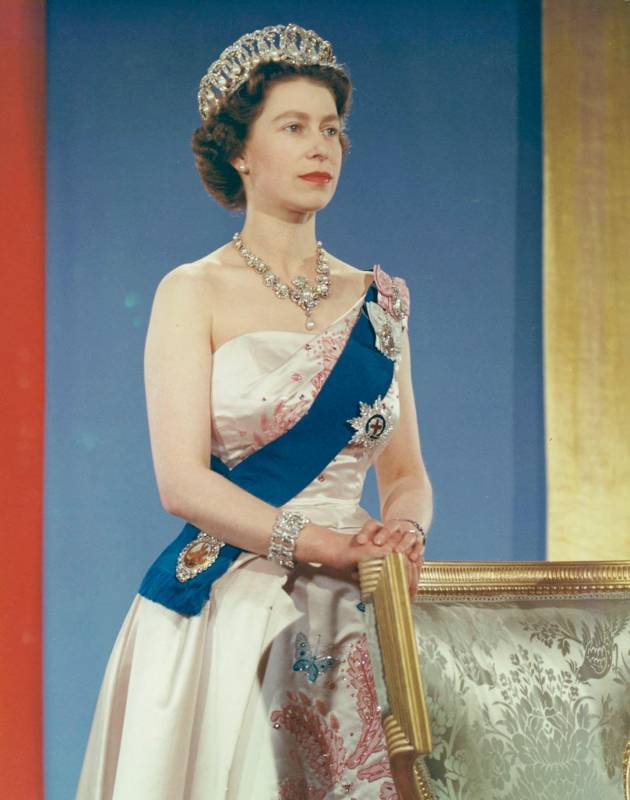


When Princess Elizabeth addressed the nation during the Second World War, few could have imagined that the young woman speaking would one day become the longest-reigning monarch in British history. Yet even then, her message was unmistakable: a belief in service, endurance, and duty that would come to define her life.
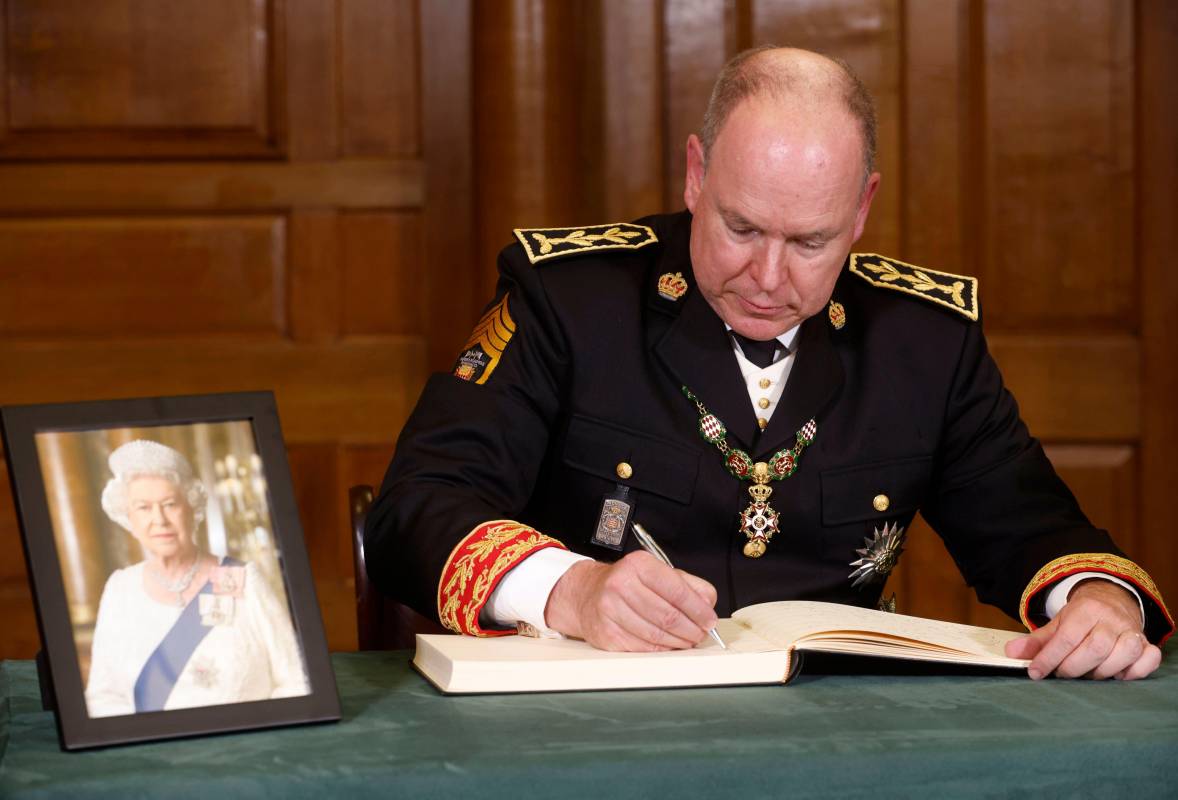
A defining figure of modern monarchy, Elizabeth died peacefully on 8 September 2022 at the age of 96 at Balmoral Castle in Scotland, where she had spent her final summer. Her state funeral on 19 September 2022 drew dignitaries from around the world. The Monégasque royal family was officially represented at the solemn event by Prince Albert II accompanied by Princess Charlène. Crowds of hundreds of thousands lined the procession routes in London and Windsor. Across the Commonwealth, flags flew at half-mast and memorial services were held to honour her life and legacy.
As Britain marks what would have been her 100th birthday in 2026, the legacy of Queen Elizabeth II is not merely one of longevity, but of dedication, a constant presence loved by her subjects through decades of global change.
The Reign and Legacy of a Monarch Like No Other
Born on April 21, 1926, Elizabeth Alexandra Mary Windsor was the first child of the then titled Duke (later to be King) and the Duchess of York. Her path to the throne was not initially expected. It was the abdication of her uncle, Edward VIII, in 1936 that placed her father, George VI, on the throne, and quietly reshaped Elizabeth’s destiny.
The experience left a deep impression. Many believe it made her especially conscious of never putting the monarchy at risk. Duty, she would later demonstrate, was not optional.
During World War II, the young princess did not remain sheltered behind palace walls. In 1945 she joined the Auxiliary Territorial Service, training as a mechanic and driver, the first female member of the Royal Family to serve full-time in the armed forces. This wartime service was not symbolic. It forged a lifelong belief that leadership begins with personal commitment. Historians often point to these years as the moral foundation of her reign.
She became Queen in 1952, at just 25 years old, and would reign for more than 70 years, the longest in British history and one of the longest in Europe. In comparison, Prince Rainier III, another remarkable royal, ruled Monaco for a lengthy 56 years, while Elizabeth I, the other great Elizabeth of British history, reigned for 44. Together, the two Elizabeths span five centuries of national identity: one presiding over England’s emergence as a world power, the other guiding Britain through the transition from empire to Commonwealth.
Throughout her reign, Elizabeth II embodied stability. At a time when the press increasingly sought drama within royal families, she offered something counter-cultural: grace and restraint. She never publicly complained, explained, or defended her private life. Her marriage to Prince Philip lasted more than seven decades, marked by loyalty and discretion rather than public spectacle. In an age of constant exposure, she remained famously private, and it was precisely this reserve that earned her public trust.
Beyond her constitutional role, she was deeply human. She was devoted to her corgis, owning more than thirty during her lifetime, and was rarely happier than when riding horses at Windsor or Balmoral or winning at Ascot. A lifelong horsewoman and breeder, she followed racing with genuine expertise, not merely ceremonial interest. These passions, quietly pursued, revealed a monarch grounded in humanity.
2026 marks the centenary of Queen Elizabeth II’s birth, a moment Britain is using not for nostalgia alone, but for reflection on a life defined by service … a Royal who inspired deep loyalty and affection.
Royal Connections: From Monaco to the Commonwealth
Elizabeth II’s relationships with Europe’s royal families were marked by diplomacy, continuity, and mutual respect. One of the most symbolic moments linking Britain and Monaco occurred at her 1953 coronation: Prince Rainier was represented there by his father, Prince Pierre, mingling among the assembled rulers of Europe. Prince Rainier had turned 30 just two days previously and was then just 5 years into his rule.
Throughout her reign, Elizabeth maintained cordial relations with Rainier and Princess Grace of Monaco, whose marriage in 1956 captured global attention. Queen Elizabeth II, according to Palace protocol, contemporary reports and diplomatic records sent Major-General Sir Guy Salisbury-Jones, Marshal of the Diplomatic Corps, to represent her. He was accompanied by Lt-Cmdr Wolstan Beaumont Charles Weld-Forester, the British Consul-General at Nice.
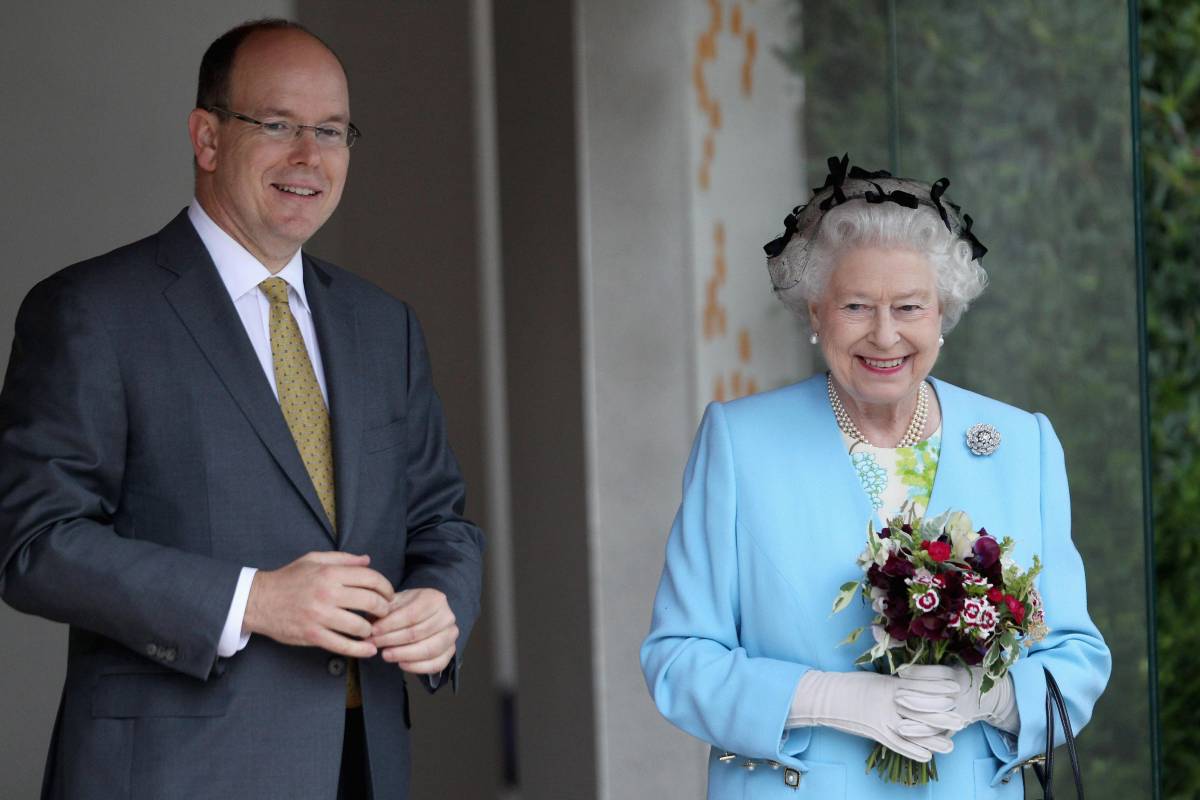
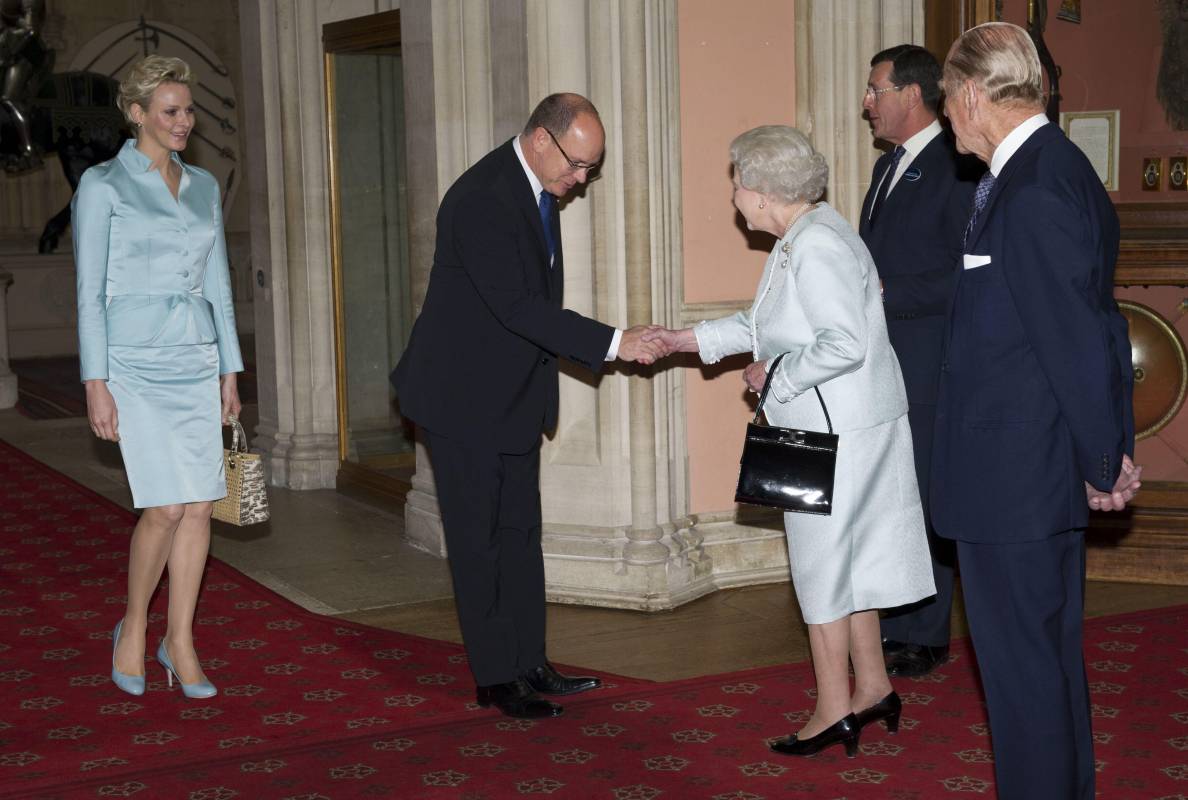
The connection between the two royal houses endured through official visits, shared diplomatic circles, and international gatherings. In later years, relations continued seamlessly with Prince Albert II, reflecting Elizabeth’s broader approach to monarchy: stability across generations. Personal correspondence and informal meetings were rarely publicised, consistent with her belief that royal relationships should be conducted with dignity rather than spectacle.
That continuity has continued into the present reign, with King Charles III and Prince Albert II sharing a long-standing commitment to environmental and climate issues, and collaborating through international forums and initiatives dedicated to ocean protection, biodiversity, and sustainable development.
Celebrating a Centenary & The Queen’s Birthday
The Queen traditionally celebrated two birthdays: her actual birthday on April 21, and her official birthday in June, marked publicly by Trooping the Colour, a ceremony dating back to the 18th century. Across Britain and abroad, British associations have long marked the occasion with parades, garden parties, concerts, church services, and charitable events, often accompanied by bunting, Union flags, and, inevitably, corgi imagery.
The 2026 centenary elevates these traditions to a national scale including a Major Exhibition: Queen Elizabeth II: Her Life in Style at Buckingham Palace’s King’s Gallery (April–October 2026), showcasing around 200 outfits spanning her reign. There is Commemorative Coinage with a special £5 coin issued by the Royal Mint marking the 100th anniversary of her birth.
Planned is a new contemplative garden in Regent’s Park dedicated to her life of service. A wonderful memorial. National Programming across the UK and Commonwealth will feature lectures, exhibitions, and community events.
Queen Elizabeth’s passing prompted an unprecedented expression of affection across the Commonwealth and far beyond it, as millions paused to honour a monarch who had shaped their lives, often quietly and from a distance. Succeeded by her eldest son, King Charles III, Queen Elizabeth II left behind not only a crown, but a standard, one defined by duty, restraint, and an unwavering sense of service that continues to guide the monarchy into its next chapter.
Quiet Humour, Quiet Authority
Even in lighter moments, Queen Elizabeth II revealed her character. At Buckingham Palace, a visiting dignitary once found himself surrounded by her enthusiastic corgis. Sensing his discomfort, the Queen calmly observed that they were “only being friendly” — before adding, with dry precision, that they liked to see “who’s in charge.”
As a young monarch, she showed the same instinctive authority in her first audiences with Winston Churchill. Moved by the encounter, the veteran statesman momentarily struggled to conclude their meeting. The Queen waited patiently, allowing him the space, a gesture that left Churchill deeply impressed by her composure beyond her years.
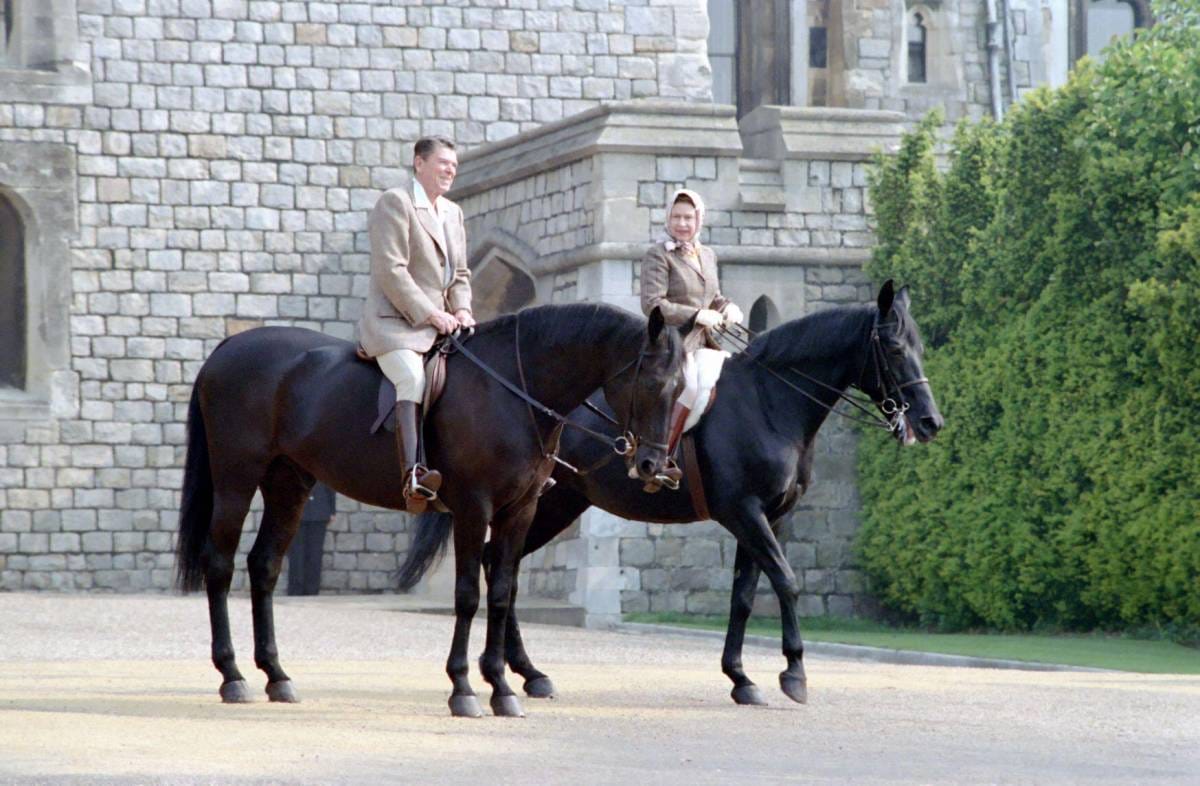
Years later, her confidence was equally evident on horseback. Riding at Windsor with Ronald Reagan, she set a brisk pace over uneven ground, entirely at ease. Reagan later admitted his surprise: the Queen, an expert rider since childhood, had quietly taken the lead.