


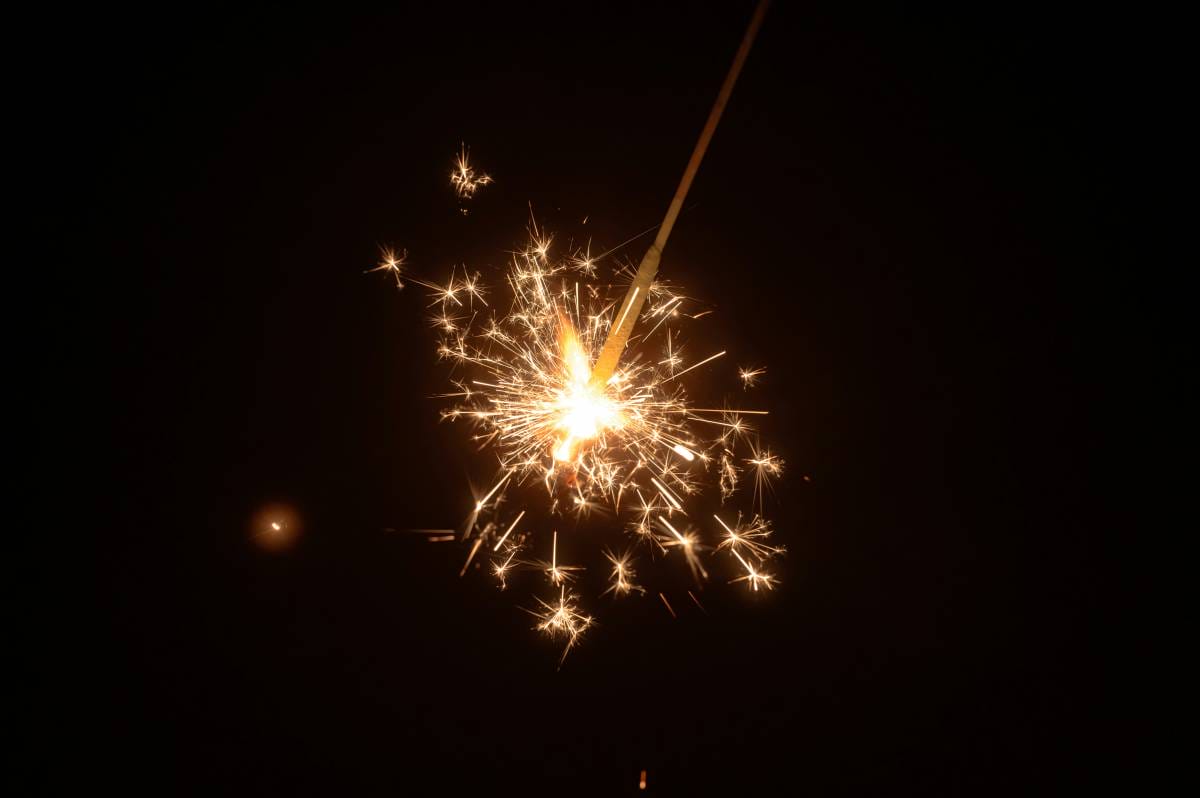


In Monaco, elegance is very often measured in candlelight dinners and champagne flutes catching the glow of the Mediterranean. Unfortunately light itself has just come under scrutiny. Luckily not the soft glow of chandeliers, but the violent, unpredictable flare of indoor pyrotechnics.
In early 2026, the Principality has taken a decisive step: a ban on Bengal flares and similar devices in enclosed public spaces.
This was not a symbolic gesture. It was a response to tragedy, and a statement of intent.
A Tragedy That Reached Beyond Borders
The catalyst lay far from the Rock, in the Swiss resort town of Crans-Montana. On New Year’s Eve, a celebration turned catastrophic when pyrotechnic devices, attached to champagne bottles in a crowded venue, ignited flammable acoustic materials. Within moments, fire and smoke overwhelmed the space. Dozens lost their lives; many more were injured.
The Sovereign expressed the Principality’s “deep emotion” and conveyed his support to the Swiss authorities.
The images and testimonies that followed rippled across Europe, forcing governments and safety authorities to confront an uncomfortable truth: what looks spectacular on social media can be lethal in real life.
Monaco’s Swift and Unambiguous Response
In Monaco, the reaction was immediate and unequivocal. Under the authority of Minister of State Christophe Mirmand, the government moved to prohibit the use of Bengal flares, spark fountains, and all similar pyrotechnic effects in enclosed public venues, nightclubs, concert halls, bars, and private event spaces alike.
The decision was backed by Monaco’s Technical Commission for Hygiene, Safety, and Environmental Protection, which also intensified inspections of nightlife and event venues. The message was clear: prevention would no longer rely on “best practices” or voluntary restraint. Regulations would be written into law following Monaco’s legislative process.
The Illusion of Harmless Sparks
Bengal flares have long occupied a strange cultural space. They are festive, photogenic, and deceptively simple, often mistaken for oversized sparklers. In reality, they burn at extremely high temperatures, emit dense smoke, and can instantly ignite decorative materials commonly found in modern interiors. In a confined space, surrounded by people, a single flare can become the first domino in a fatal chain reaction.
Fire safety experts have warned about this risk for years. What changed was not the science, but the cost of ignoring it.
An Industry Already Moving Ahead
Interestingly, Monaco’s ban formalizes what many major operators had already embraced. The Société des Bains de Mer, which manages some of the Principality’s most iconic hotels, casinos, and clubs, phased out indoor pyrotechnics years ago. In their place came LED effects, controlled lighting shows, and digital scenography, spectacular, programmable, and above all, safe.
SBM president Stéphane Valeri has repeatedly emphasized that luxury and safety are not competing values, but complementary ones. Monaco’s new regulation aligns public law with private best practice.
A Broader Message to Europe
While the ban applies only within Monaco’s borders, its implications travel further. Across Europe, nightlife venues and event organizers continue to flirt with visual excess in pursuit of social network viral moments. Monaco’s decision reframes the conversation: spectacle should never outrun responsibility.
Rather than waiting for disaster to strike at home, the Principality chose to learn from tragedy elsewhere. In doing so, it positions itself once again as a laboratory for preventive governance, small in size, but outsized in influence.