



The final act of the Formula 1™ season at Abu Dhabi delivered exactly what a modern championship finale promises: clarity at the top, complexity everywhere else, and just enough “what if?” to keep debates alive through the winter.
Under the floodlights at Yas Marina, Max Verstappen won the race in authoritative fashion. Yet when the chequered flag fell, it was Lando Norris who lifted his first World Drivers’ Championship, finishing third on the road and doing just enough to keep the crown out of Verstappen’s grasp. On the podium stood all three men who entered the weekend with a mathematical chance of the title, Verstappen first, Oscar Piastri second, Norris third, a neat snapshot of a season defined by fine margins.
Norris’ championship advantage heading into the weekend was slim but vital. Verstappen’s victory earned him the maximum 25 points; Norris’ third place brought 15. That 10-point swing was not enough to overturn Norris’ lead. Had Norris been forced down to fourth, the arithmetic would have flipped and Verstappen would have been world champion. That knowledge lent every defensive move Norris made an extra layer of tension.
And never far away was the man Ferrari fans were watching most closely.
Leclerc and the Art of the Difficult Car
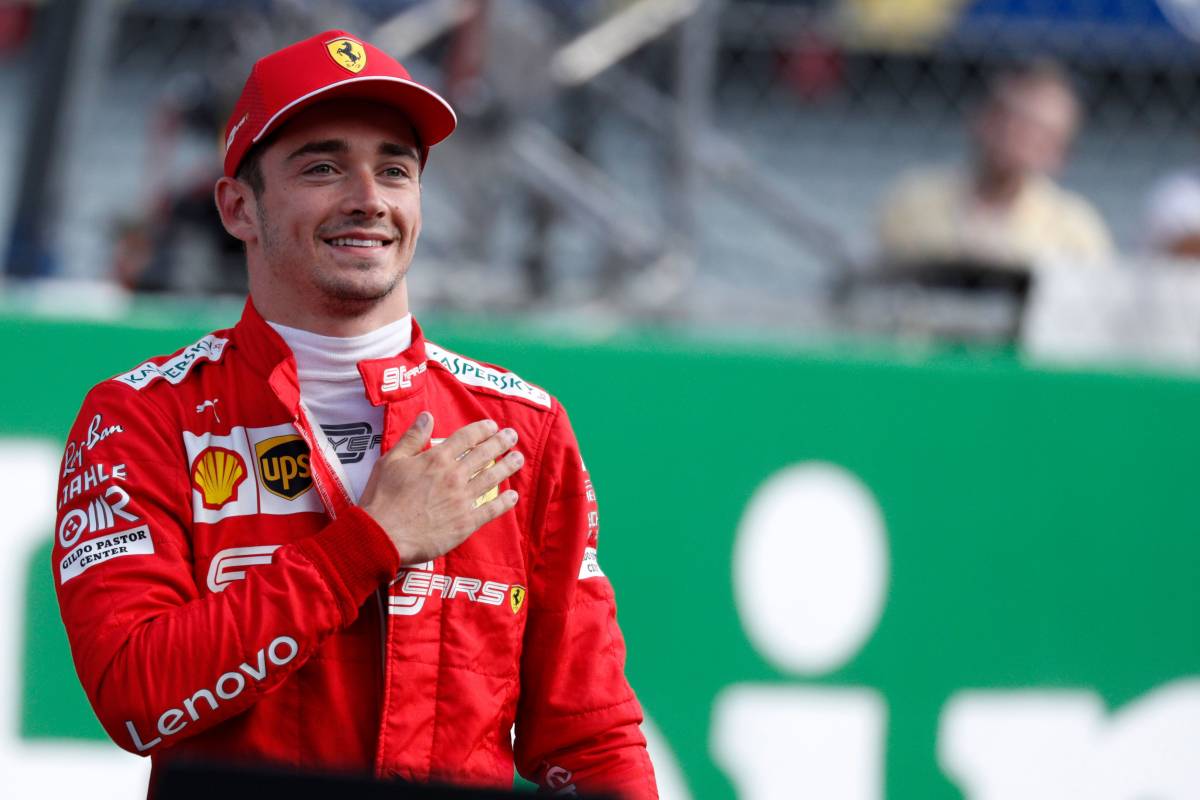
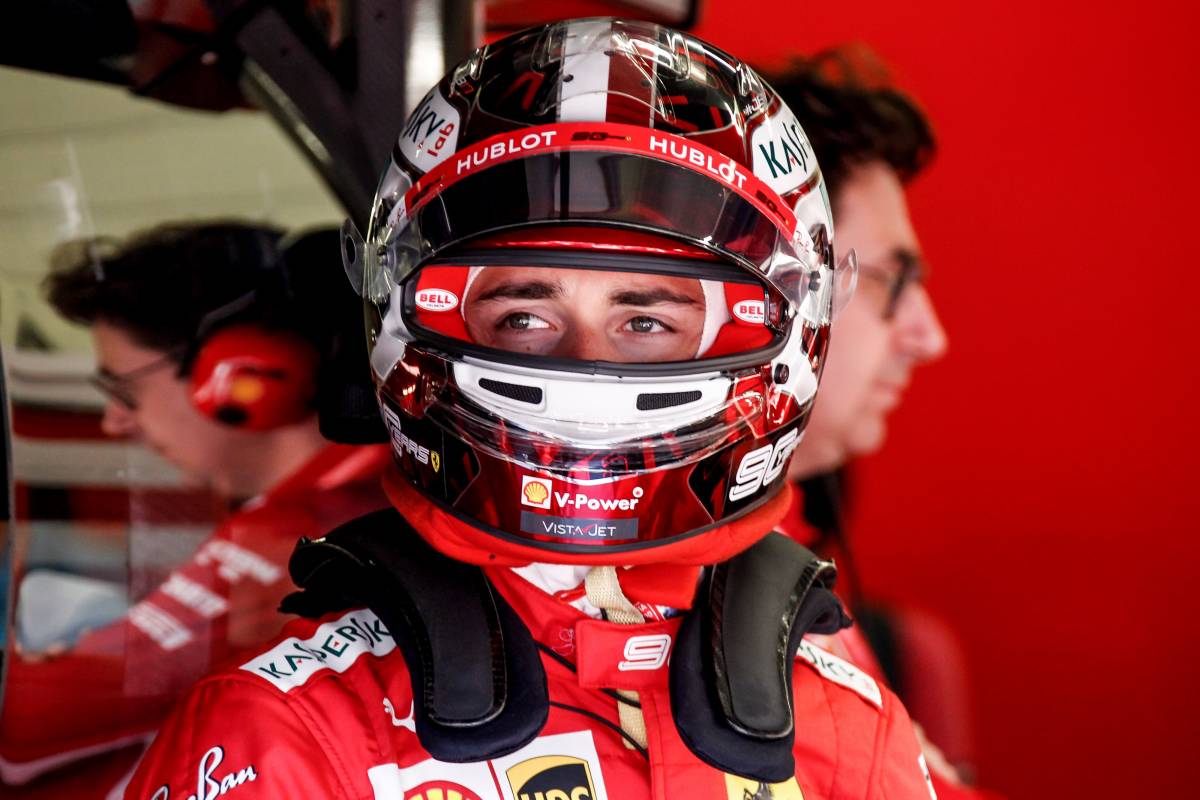
Charles Leclerc’s fourth-place finish may not scream drama on a results sheet, but within the paddock it was quietly admired. The Ferrari SF-25 has been a demanding, inconsistent machine all season, quick enough in clean air, awkward on tyres, and unforgiving at the limit. It has not helped its drivers.
Yet in Abu Dhabi, Leclerc extracted everything it could realistically offer.
From the opening stint, he stayed close enough to keep pressure on Norris without overworking the tyres, choosing patience over force. Where a lesser driver might have lunged, Leclerc waited, conserving grip and positioning the car cleanly on corner exit to remain a persistent presence rather than a reckless threat.
Ferrari and McLaren ultimately diverged in their strategic approaches. Leclerc was committed to a two-stop race, and that additional stop became part of the wider strategic picture McLaren had to manage as Norris balanced pace, tyre life and championship risk. Leclerc repeatedly found himself fighting through traffic after pit stops, the difference made not in fireworks but in execution: clean passes, minimal wheelspin, no wasted steering input.
Ferrari committed Leclerc to a second stop that offered fresh life and enough pace to stay in touch with the podium positions, allowing him to push without comfort but also without illusion. He attacked when the opportunity arose, but the advantage gradually flattened as the race settled.
He didn’t dislodge Norris, and that ultimately sealed the championship, but his performance reinforced a growing consensus inside and outside Maranello: this is the kind of racecraft associated with future world champions. Not reckless brilliance, but precision, patience and mechanical sympathy woven together under immense pressure, in a car that rarely makes life easy.
Would Third Have Changed Everything?
The temptation is to frame Leclerc as the nearly-man who could have changed history. The reality is more nuanced. Had Leclerc edged Norris out of third, it would not have crowned Leclerc champion; his title fate was sealed earlier in the season. Instead, it would have delivered the championship to Verstappen by a single point.
Still, the fact that Leclerc was even close to that role says a great deal. In a season dominated by McLaren and Red Bull at the front, Ferrari’s presence at the sharp end in Abu Dhabi was largely down to Leclerc’s ability to tame the SF-25.
Two Leclercs, One Weekend in Red
Abu Dhabi also featured two Leclercs in Ferrari colours. Alongside Charles’ race weekend, his younger brother Arthur Leclerc took part in free practice as Ferrari’s nominated rookie driver, fulfilling mandatory running requirements.
It was a small moment in competitive terms, but symbolically resonant: one Leclerc gathering experience in a supporting role, the other quietly establishing himself as Ferrari’s present and future reference point on Sunday afternoon.
Hamilton: Not a Disaster, Not the Dream
Which brings us to Ferrari’s other headline act: Lewis Hamilton.
This was Hamilton’s first season in red, and while it was never disastrous, it fell well short of expectations. No grand prix™ podiums, a solitary sprint victory, and a low-key finish to the year summed up a campaign marked by adjustment rather than domination.
In Abu Dhabi, Hamilton finished outside the spotlight, fighting through the midfield with an aggressive strategy that produced points but little theatre. Against Leclerc’s composed, incisive drive, the contrast was unavoidable. Hamilton remains capable, experienced and invaluable to Ferrari’s long-term ambitions, but this was Leclerc’s weekend, and increasingly, it feels like Leclerc’s team.
The Bigger Picture
Abu Dhabi crowned Lando Norris as a worthy world champion and reminded everyone of Verstappen’s relentless excellence. But for Ferrari fans, the race delivered something just as meaningful: evidence that Charles Leclerc is evolving beyond raw speed into something deeper, a driver capable of mastering flawed machinery, managing championship-defining pressure, and shaping races through judgment rather than impulse.
Championships are not always won in seasons like this one. But world-championship drivers are often made in them.
Results Recap
Abu Dhabi winner: Max Verstappen
P2: Oscar Piastri
P3: Lando Norris (Now World Champion)
P4: Charles Leclerc
P8: Lewis Hamilton
World Championship – Final Points:
Norris 423, Verstappen 421, Piastri 410
Norris wins the title by two points.