

Strasbourg is known for its picturesque canals, half-timbered houses and its role as one of Europe’s political capitals. But on 20 May, the city also became the stage for a historic moment in Monaco’s diplomatic journey.
Just days after officially assuming the Presidency of the Committee of Ministers of the Council of Europe, the Principality launched its six-month mandate in Strasbourg, outlining an ambitious programme focused on human rights, democracy, international cooperation and the protection of vulnerable members of society.
The presidency marks a major milestone for Monaco. Since joining the Council of Europe in 2004, the Principality has steadily expanded its engagement within European institutions. Now, for the first time, Monaco is chairing the organisation’s principal decision-making body, a responsibility it will hold until 10 November 2026.
The official transfer of the presidency took place on 15 May during the 135th Session of the Committee of Ministers in Chișinău, Moldova, where Minister of Foreign Affairs and Cooperation Isabelle Berro-Amadeï received the symbolic keys of the Committee of Ministers on behalf of the Principality.
The handover occurred at a particularly significant moment for Europe. Discussions among member states focused on issues including the establishment of a Special Tribunal for the Crime of Aggression against Ukraine, democratic resilience, international migration, foreign interference and the manipulation of information. Against this backdrop, Berro-Amadeï called for renewed commitment to the fundamental principles and values that unite the Council of Europe’s 46 member states.
A Presidency Focused on People
Monaco’s presidency is guided by a clear objective: “Protecting everyone, through an effective Organisation, in response to contemporary challenges.”
During the first meeting of the Committee of Ministers chaired by Monaco in Strasbourg, Berro-Amadeï presented the thematic priorities that will shape the Principality’s programme over the coming months.
These include the protection of women, particularly the fight against violence against women, the rights of children and young people, support for the European human rights protection system, the fight against organised crime, sport and its role in promoting shared values and strengthened international cooperation aimed at finding practical solutions to modern challenges.
The priorities reflect areas where Monaco has increasingly sought to contribute on the international stage, while reinforcing the Council of Europe’s central mission: safeguarding human rights, democracy and the rule of law across the continent.
As President of the Committee of Ministers, Berro-Amadeï reiterated the vital role played by the Council of Europe in protecting fundamental freedoms and ensuring democratic stability at a time when many European societies face growing pressures and uncertainty.
Monaco Showcased in Strasbourg
The launch of the presidency was not limited to diplomatic meetings. Throughout the day, Monaco’s culture and identity were also placed firmly in the spotlight.
Among the highlights was a bilateral meeting between Berro-Amadeï and the Secretary General of the Council of Europe, followed by a musical performance by young Monegasque pianist Stella Almondo in the Council of Europe’s foyer.
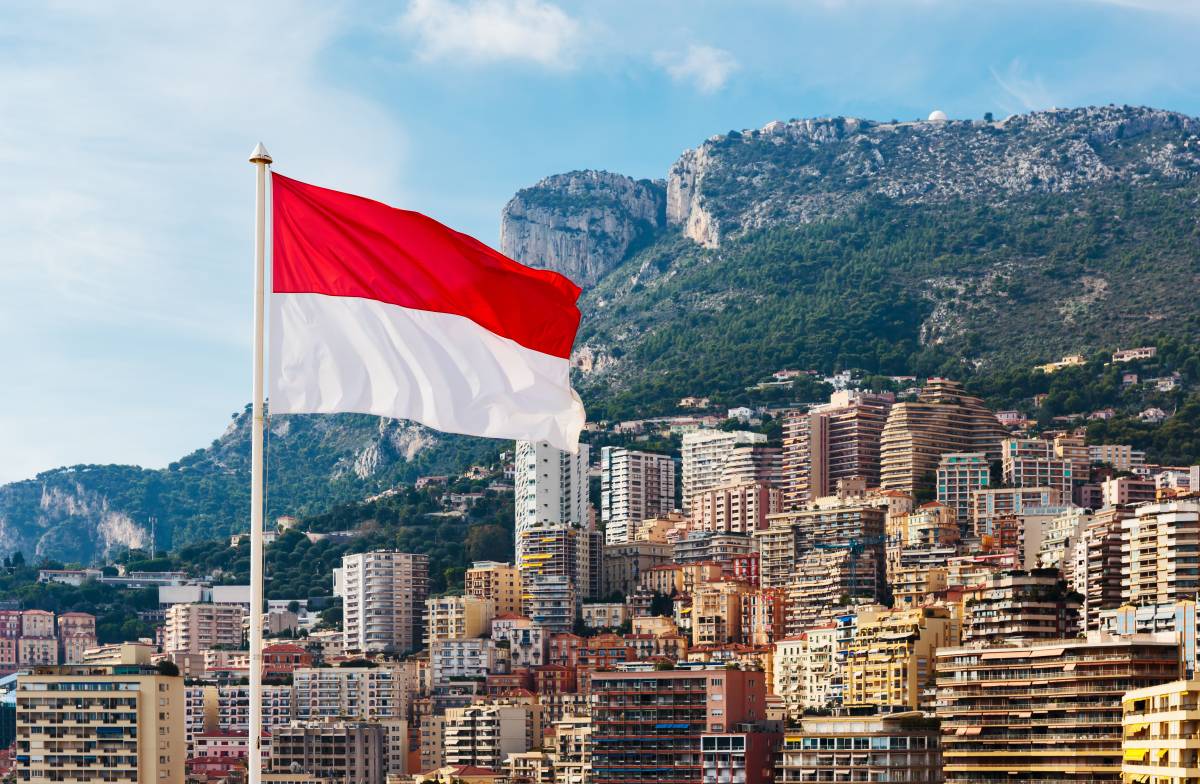
A ceremony on the forecourt of the Council of Europe further marked the occasion, while a Strasbourg tramway decorated in the colours of Monaco’s Presidency was officially inaugurated. In the city centre, the Monegasque flag was raised during a performance by La Palladienne in Strasbourg’s Town Hall Square, providing a visible reminder of the Principality’s new role within the organisation.
The cultural dimension of the presidency will continue throughout the coming months, with a programme designed to showcase the richness and diversity of Monaco’s cultural scene to audiences in Strasbourg and beyond.
A Whole-of-Government Effort
The presidency extends far beyond Monaco’s diplomatic representation in Strasbourg. The Government has emphasised that all Monegasque institutions are fully mobilised and will contribute to the programme until November.
Numerous events are planned in the coming months involving members of the Princely Government and the Secretary of State for Justice, addressing the presidency’s key thematic priorities. Monaco’s Permanent Representation to the Council of Europe, led by Ambassador Gabriel Revel, will coordinate much of this work alongside teams from the Department of Foreign Affairs and Cooperation.
For a nation of just over two square kilometres, assuming leadership of the Committee of Ministers is a remarkable diplomatic achievement. Yet Monaco’s presidency is about more than symbolism. Over the next six months, the Principality will help guide discussions among 46 European states on some of the most pressing issues facing the continent.
More than two decades after joining the Council of Europe, Monaco now finds itself at the centre of an institution dedicated to defending democracy, human rights and the rule of law. It is both a recognition of the Principality’s growing international engagement and an opportunity to leave a meaningful mark on Europe’s political and humanitarian agenda.
Ms BERRO-AMADEÏ was accompanied by H.E. Mr Gabriel REVEL, Ambassador and Permanent Representative of Monaco to the Council of Europe, Mr Gabriel CHABERT, Deputy Permanent Representative, and Mr Florian BOTTO, Adviser at the Ministry of Foreign Affairs and Cooperation.