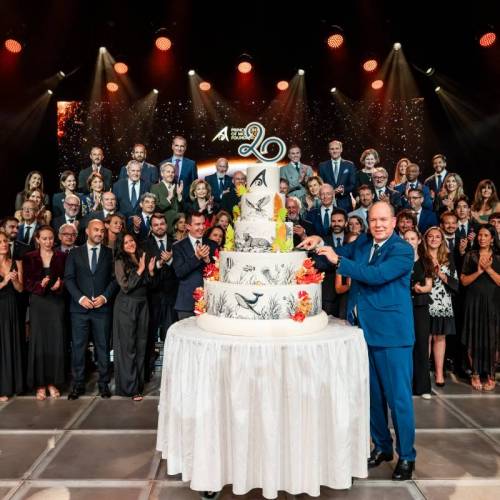
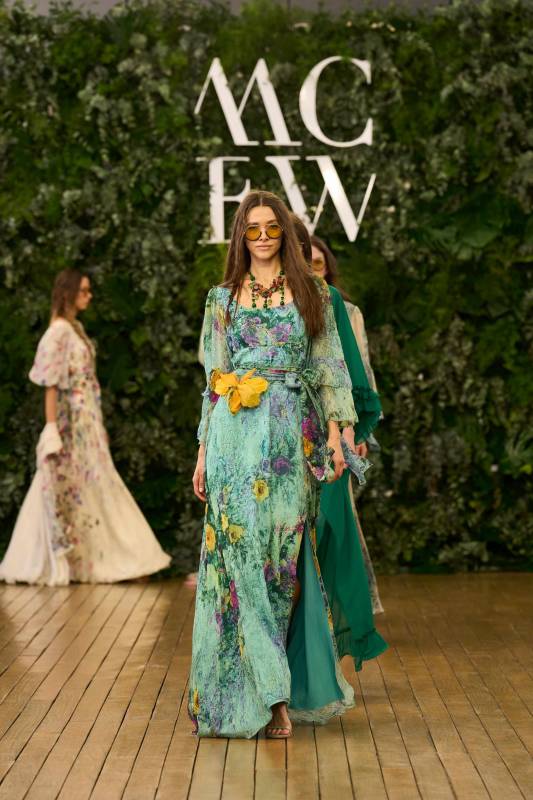


In Monaco, fashion becomes something as captivating as theatre. At the 2026 edition of Monte-Carlo Fashion Week, the Principality once again transformed itself into a stage. Elegance, innovation and international ambition converged under the Principality’s light.
The opening unfolded at the Mairie de Monaco, where Mayor Georges Marsan set the tone for an event that has steadily grown from niche gatherings to a recognised fixture on the global fashion calendar. But it was along the marina, at the Yacht Club de Monaco, that the real story began to take shape.
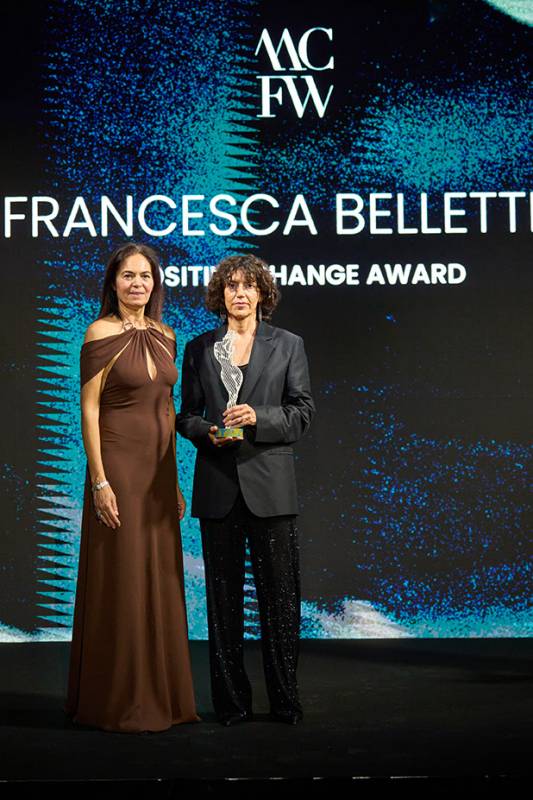
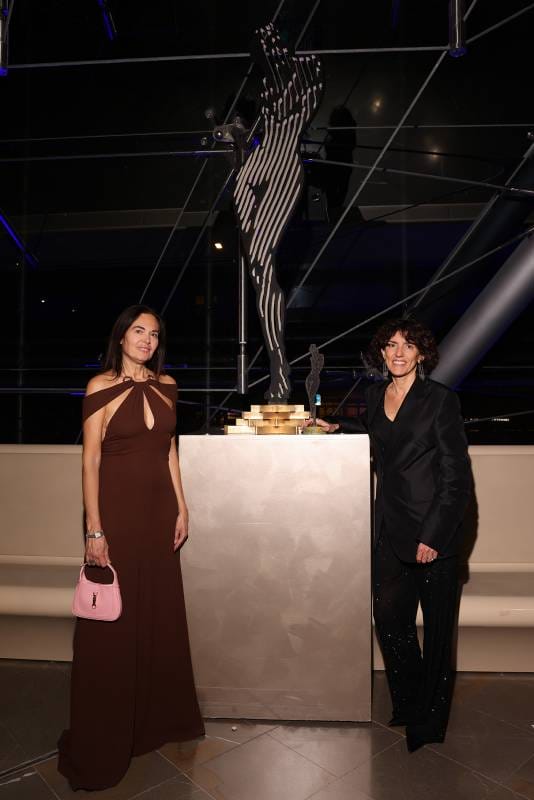
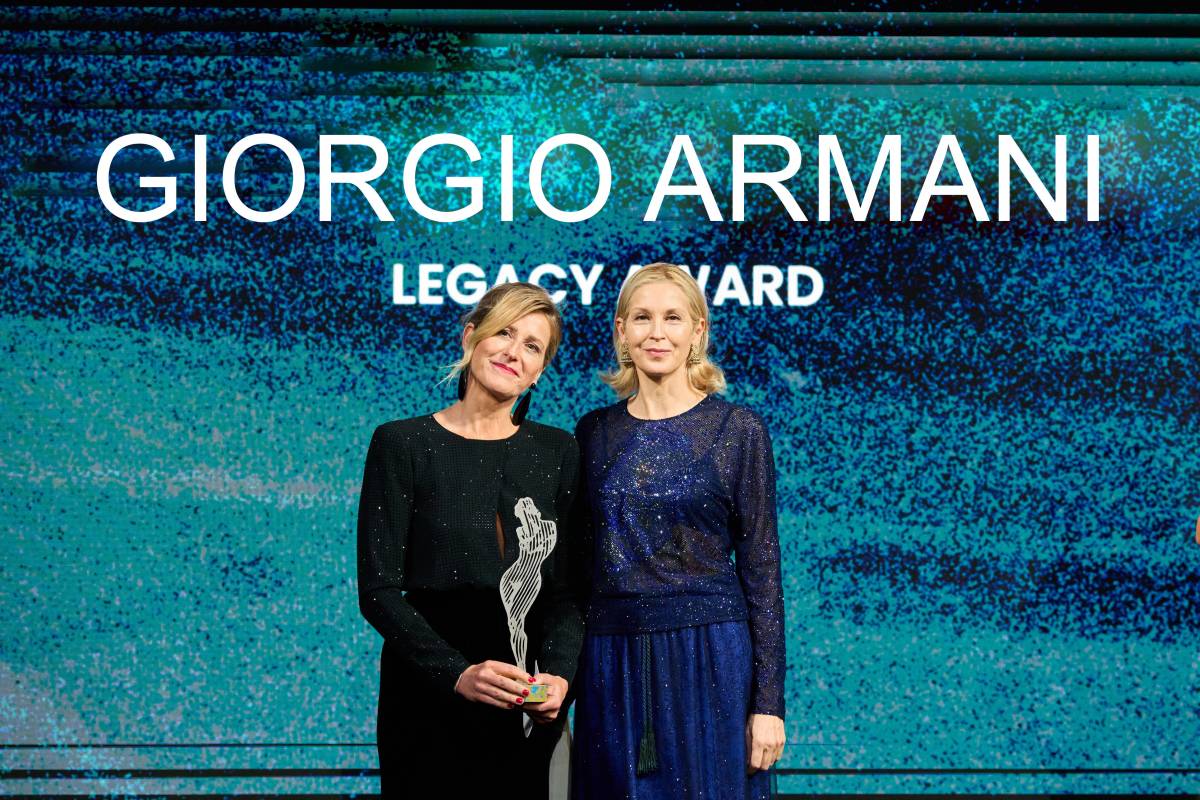
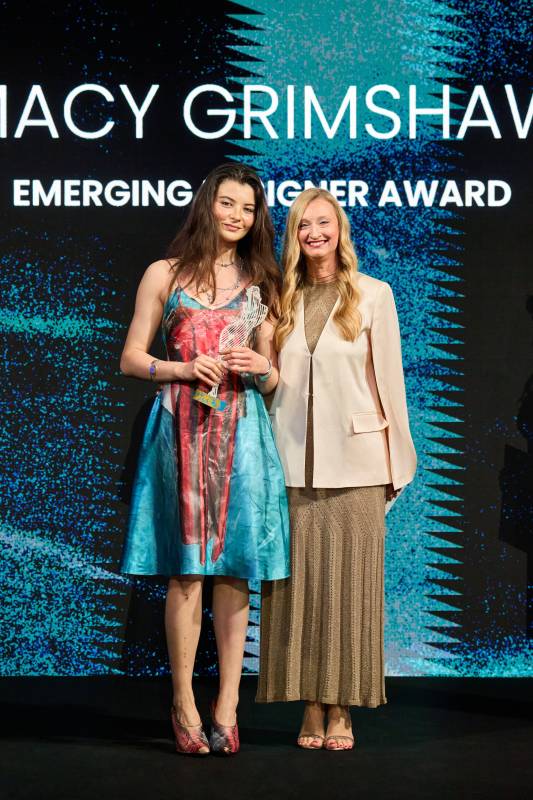
A Runway Framed by the Mediterranean
Against a backdrop of superyachts the first shows revealed the underlying theme of the week: a dialogue between heritage and forward motion.
The Yacht Club’s own Special Collection opened proceedings, anchoring the programme in Monaco’s signature codes, precision tailoring, understated luxury, and a lifestyle that is as much about movement as it is about display.
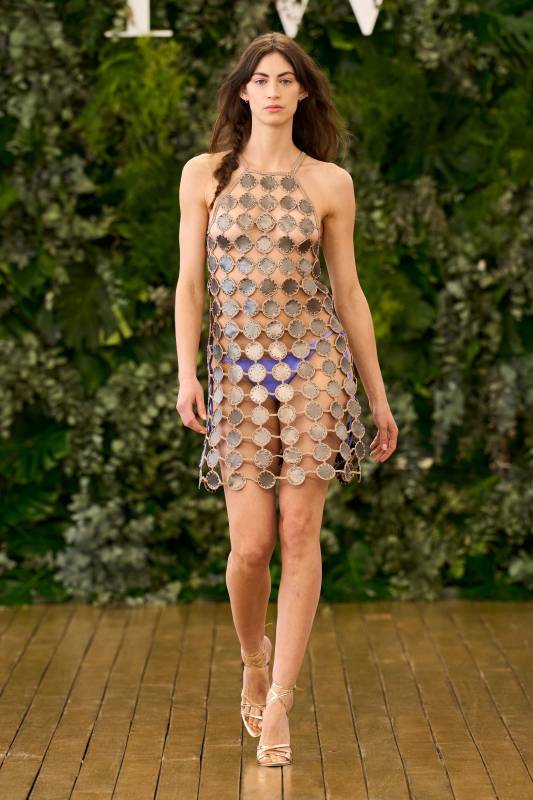
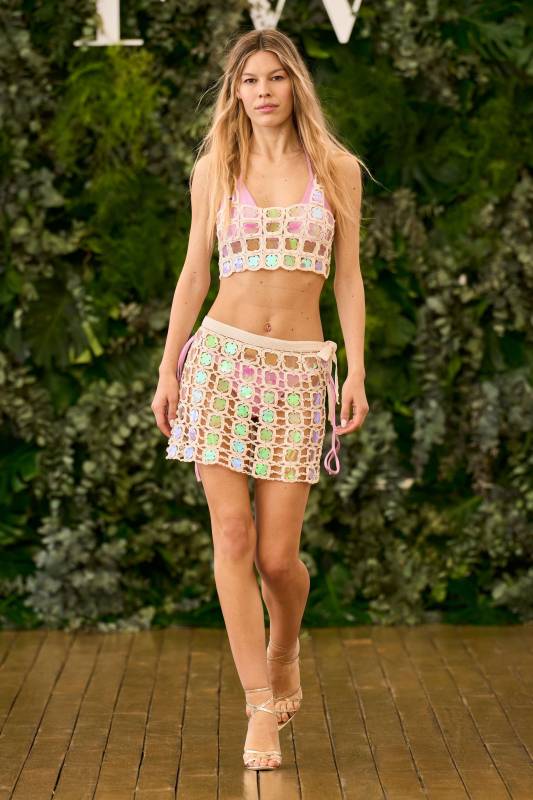
From there, the tempo shifted.
Daphne Milano introduced contemporary silhouettes with a distinctly urban edge, while Hyperlight Optics by Zepter blurred the line between accessory and technology. Their presentation, part runway, part conceptual showcase, hinted at a future where fashion is not only worn, but engineered.
Italy, Identity, and Emerging Talent
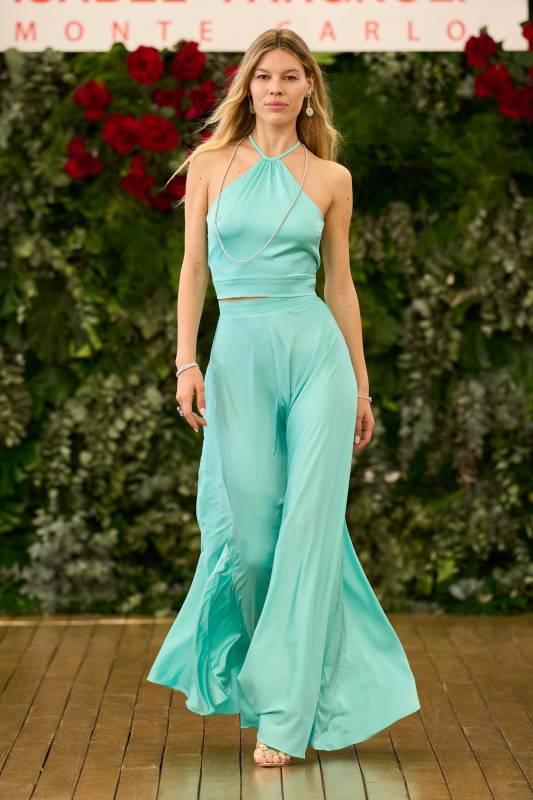
One of the most resonant moments of the evening came from Isabel Fargnoli, a young Italian designer leading her Monaco-based label. Her collection, presented as part of “Made in Italy Day” supported by the Embassy of Italy in Monaco, carried a quieter kind of power.
It offered identity, clean lines, confident femininity, and a subtle dialogue between Italian craftsmanship and Monegasque refinement. In a week defined by international voices, it was a reminder that Monaco’s strength lies precisely in this intersection of cultures.
Genny: The Defining Moment
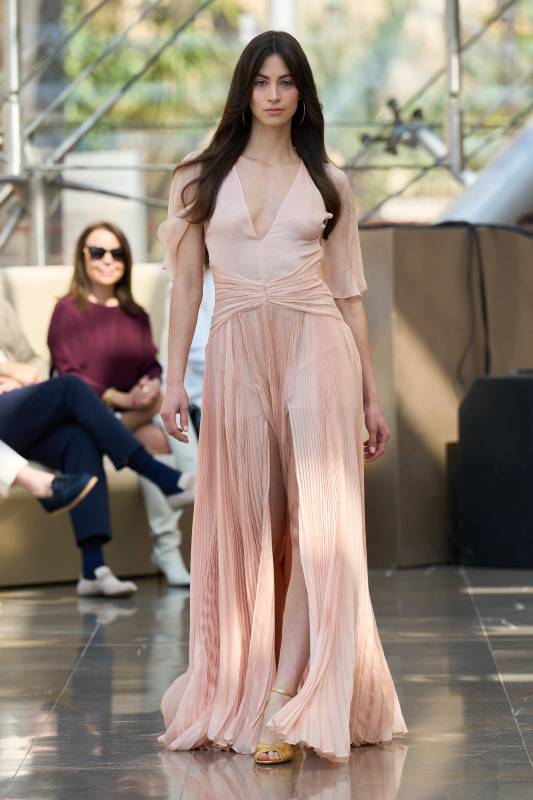
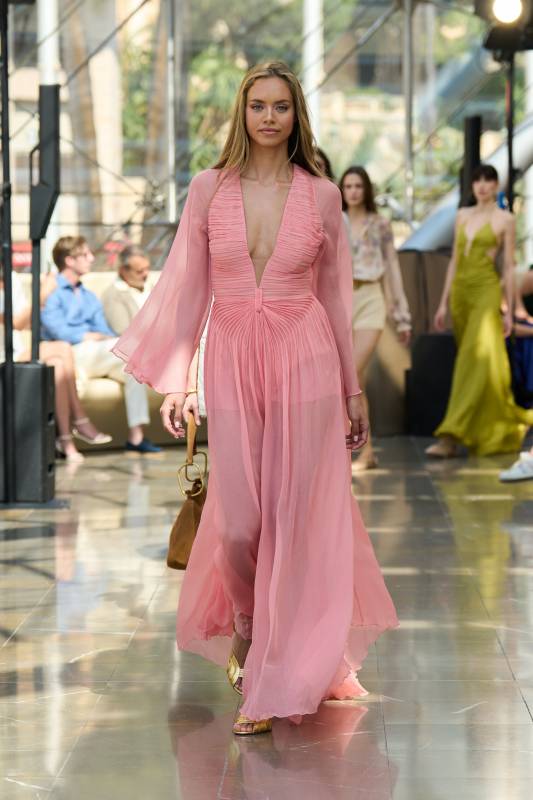
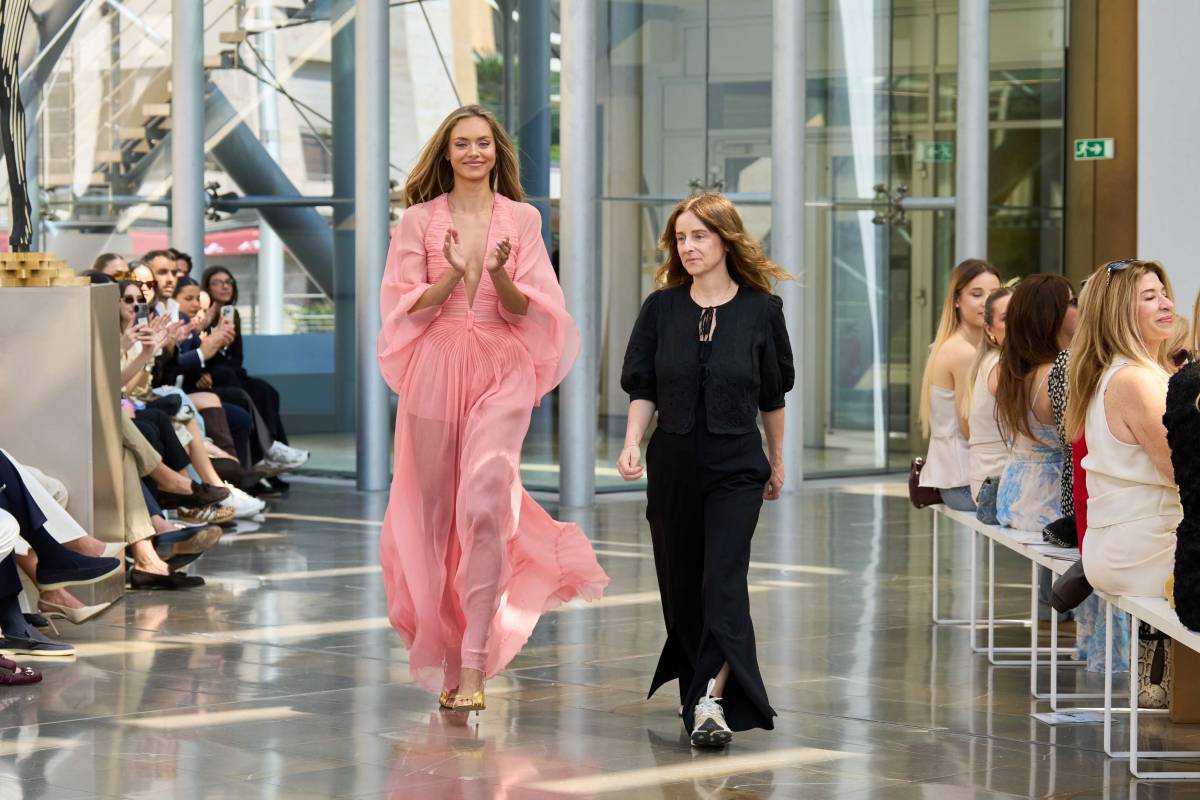
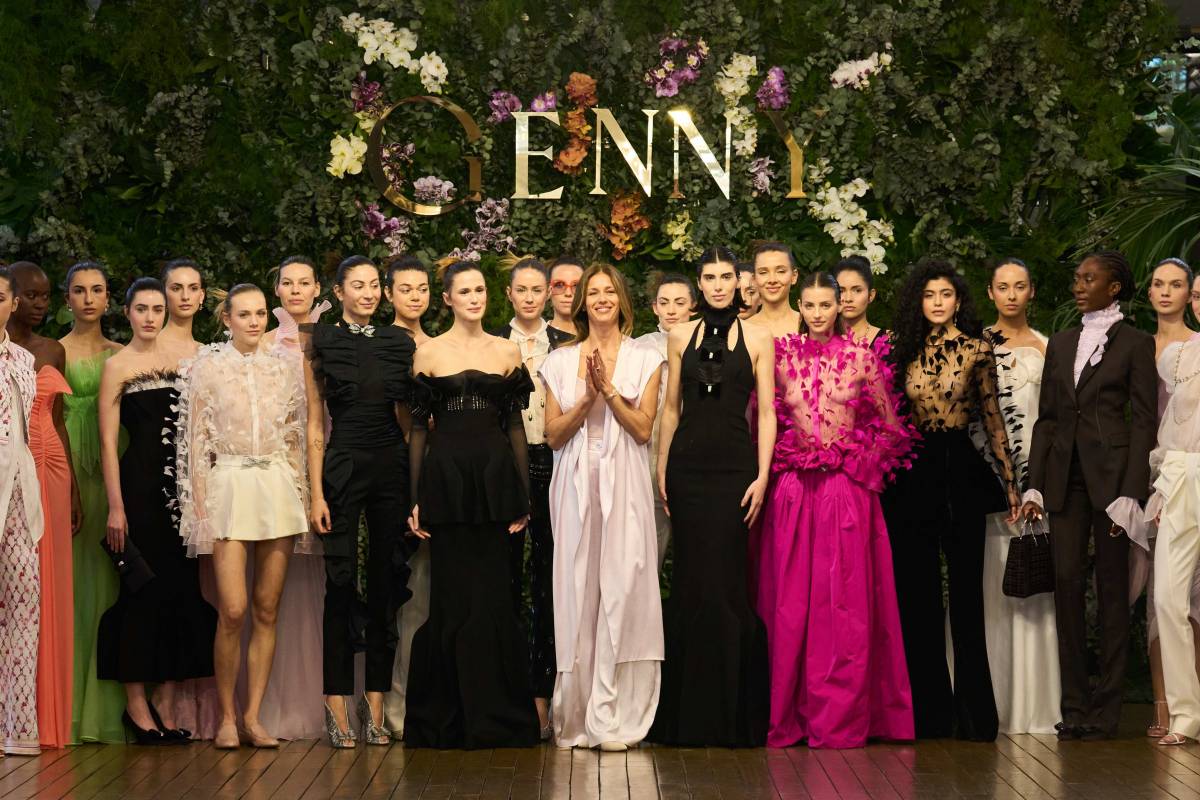
The crescendo, however, belonged to Genny.
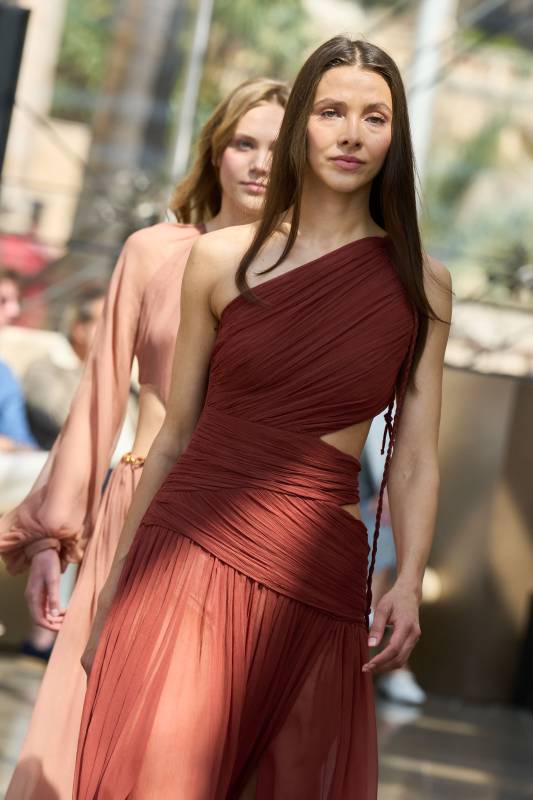
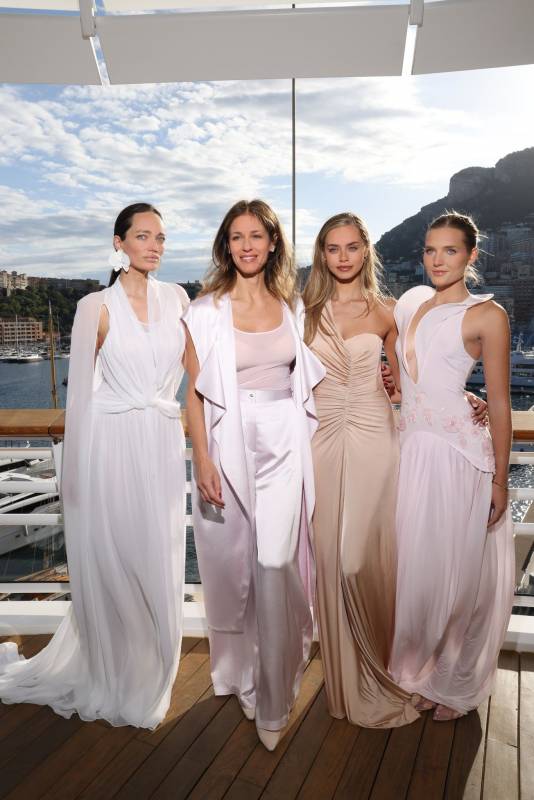
Long anticipated, the show delivered with precision. Fluid silhouettes moved with near-architectural grace, while couture detailing and a refined palette constructed a narrative that felt both timeless and unmistakably current. It was fashion as language, measured, confident, and deeply aware of its own heritage.
In many ways, Genny encapsulated the broader ambition of Monte-Carlo Fashion Week itself: not to chase trends, but to refine them, to anchor innovation within a framework of legacy.
Beyond the Runway
The evening closed, as it often does in Monaco, not with applause alone but with conversation. An exclusive cocktail gathered buyers, press, and industry figures.
Monte-Carlo Fashion Week has evolved into something more strategic than spectacle.
Its emphasis on sustainability, technological innovation, and the elevation of emerging designers reflects a wider shift within the industry. In recent years, the event has positioned itself alongside global fashion capitals not through scale, but through curation, focusing on quality, relevance, and forward-thinking narratives.
Monaco as Fashion Laboratory
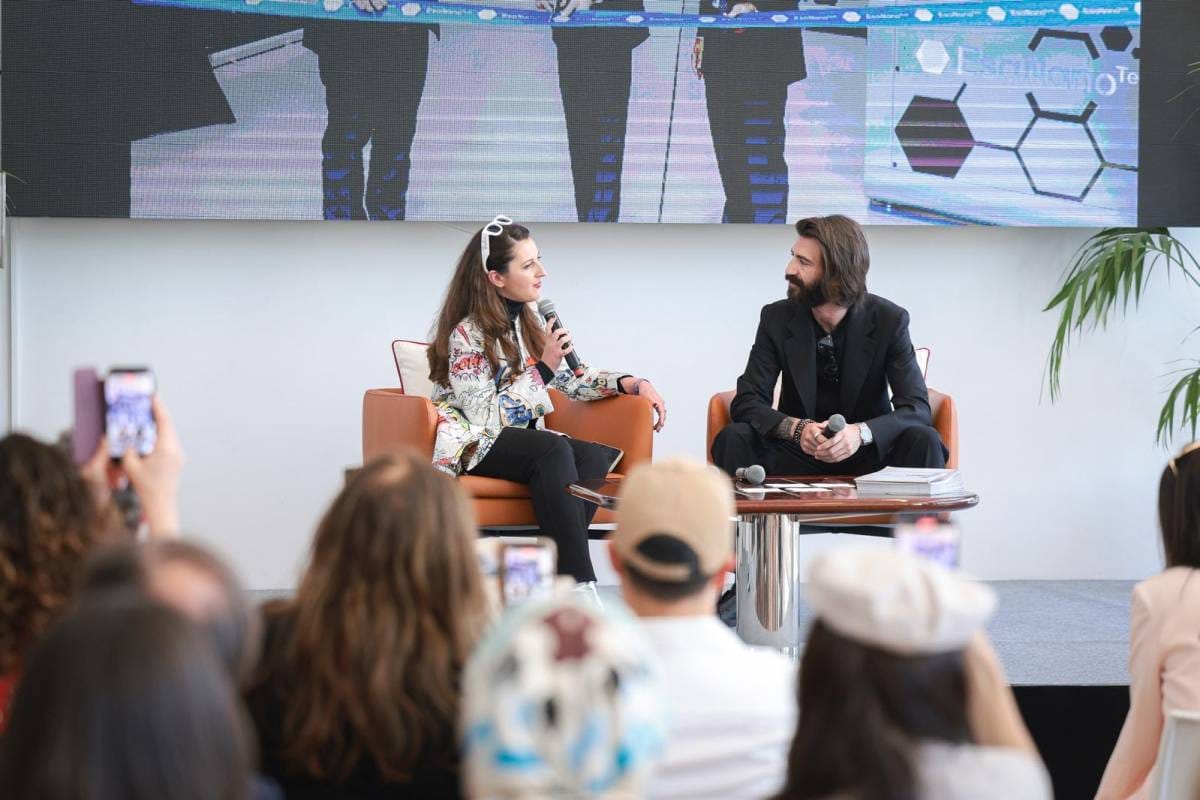
Having run through to April 18, the programme extended beyond runway shows to conferences and private events, reinforcing Monaco’s role as a laboratory for the future of luxury.
Here, fashion intersects with yachting, design, technology, and lifestyle, industries that define the Principality’s identity.
For a few days each spring, Monaco quietly helps shape the world of fashion.