

When Monaco hosts the Grand Prix, our tiny Principality becomes a theatre of spectacle. Ferraris purr through narrow streets, superyachts glitter in the harbour, and champagne flows.
But amid the glamour, an incident last May brought an entirely different sort of drama: two Scottish brothers, deeply intoxicated, were hauled before the Monaco Criminal Court after attempting to steal a humble Fiat Panda.
A Night That Spiralled Out of Control
The episode unfolded around 10 in the evening. An employee was finishing his shift when he returned to his parked Panda only to see two strangers sitting inside, tugging at the dashboard as if rehearsing a low-budget heist film.
Startled, the worker confronted the men, who bolted. They didn’t get far. Colleagues quickly caught up with them, and moments later the Public Security patrol arrived. The car’s interior looked far worse than the two suspects claimed to remember, a ripped-out dashboard, dangling ignition wires, and obvious signs of tampering.
Later breath tests showed the brothers had alcohol levels of 0.43 mg and 0.52 mg per litre of exhaled air, often above the limit across Europe, though not typically high enough to cause complete memory blackout. Yet, standing before the judge weeks later, the elder brother could barely speak without his voice shaking.
Apologizing he insisted the night had been a blur. The judge made the point with icy pragmatism that confusion doesn’t explain forcing a car lock.
Lost VIPs: From Panorama Terraces to Police Custody
The two men had flown to Monaco for the Grand Prix, boasting VIP access to the Panorama viewpoint. They claimed they had parked in Cap-d’Ail, had drunk heavily all weekend, and failed four times to secure a taxi. With their phone batteries dead, they set out on foot, only to become disoriented and wander into Monaco’s industrial district.
To the court, this explanation didn’t quite mesh with geography. Cap-d’Ail is, quite literally, a stone’s throw away.
But alcohol is a powerful warp on human judgment. Research from the National Institute on Alcohol Abuse and Alcoholism (NIAAA) shows that binge drinking impairs spatial navigation, heightens impulsivity, and reduces risk assessment, even before memory blackout becomes likely. Tourists at major sporting events are particularly prone to this cocktail of impairment, a pattern observed in studies on alcohol-related arrests during Formula 1 races and other mass gatherings.
The brothers insisted that no theft was intended. They believed, mistakenly, that the Panda might help them return to their parked car.
One brother, however, had an additional problem: a vial of cocaine found during the arrest. He admitted consuming some that night, describing it as a one-off lapse.
A “Very Bad Trip,” Says the Defense
Their lawyer painted a portrait of two men overwhelmed by grief, intoxication, and confusion. He noted the brothers had consumed three bottles of vodka between them and had later reimbursed the car owner for the damages.
We’re dealing with a scenario straight out of Very Bad Trip, he told the court, referencing the French title of The Hangover. A ridiculous attempt, not a criminal enterprise.
He emphasized their remorse, their financial restitution, and their willingness to travel from Scotland to appear in person. The car’s owner, having received full compensation, even withdrew the complaint.
Prosecutor: They Could Have Caused a Tragedy
The prosecutor acknowledged the reimbursement but remained unswayed by their apology tour. In their condition, they could have created a real tragedy, he had emphasized remarking this was a genuine attempt to steal a vehicle.
He requested four months’ suspended prison sentence, a 600€ fine for the brother found with cocaine, a 400€ fine for the other, plus a one-year ban from Monaco
The Verdict
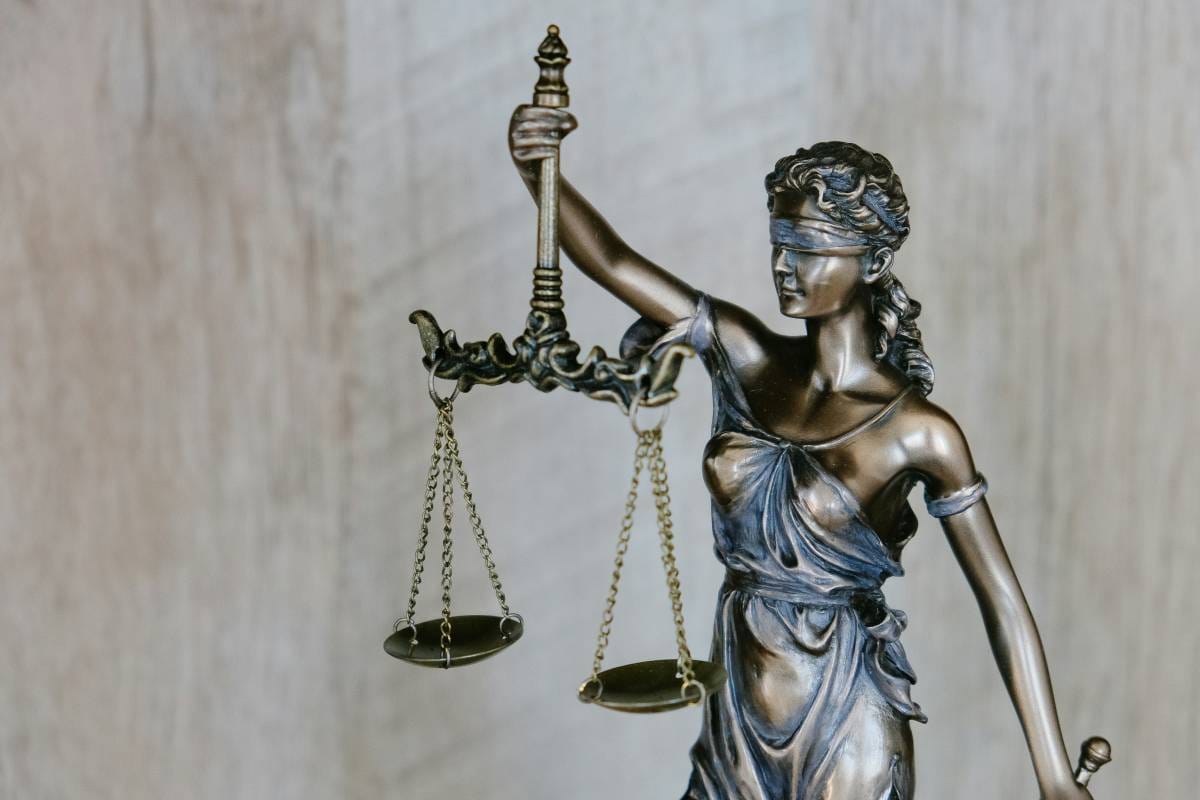
After deliberation, the judge delivered the Verdict the Prosecution had requested.
In the world’s most luxurious square miles, even a drunken impulse toward a Fiat Panda can land you before a judge and out of the Principality.