

For nearly eight decades, the Cannes Film Festival has represented something larger than cinema itself.
And in 2026, Cannes once again reminded the world why it still matters.
The 79th edition of the Festival unfolded beneath the Riviera sun from 12–23 May, transforming the Croisette into its familiar annual theatre of tuxedos, camera flashes, standing ovations and whispered predictions about the future of world cinema. Yet this year felt different in tone. Less dominated by Hollywood glamour alone, Cannes 2026 became a festival increasingly focused on moral tension, political unease and deeply human storytelling.
At the centre of it all stood South Korean filmmaker Park Chan-wook, serving as Jury President. Known internationally for films such as Oldboy and Decision to Leave, Park presided over a competition widely praised for its artistic seriousness and unusually strong international range.
The atmosphere on the Croisette reflected a festival in transition.
Hollywood stars were present, naturally. Fashion houses continued their annual conquest of the red carpet. Luxury yachts lined the harbour beneath Monaco-bound helicopters and Riviera sunsets. Yet inside the screening rooms, Cannes increasingly belonged to directors asking difficult questions about ideology, identity, extremism, memory and social fracture.
And ultimately, the jury rewarded precisely that kind of cinema.
The Palme d’Or Goes to Fjord
The festival’s highest honour, the Palme d’Or, was awarded to Fjord, directed by Romanian filmmaker Cristian Mungiu.
The victory marked Mungiu’s second Palme d’Or triumph, confirming his position among Europe’s most respected contemporary auteurs.
Set against the austere landscapes of Norway, Fjord explores the collapse of a deeply religious family whose moral certainty begins to fracture under accusations of abuse and isolation. Critics described the film as emotionally severe yet hypnotically powerful, driven by acclaimed performances from Sebastian Stan and Renate Reinsve.
In accepting the Palme d’Or, Mungiu reportedly framed the film as a warning against fanaticism and ideological rigidity, themes that resonated strongly across this year’s competition.
The Major Winners of Cannes 2026
While Fjord captured the festival’s ultimate prize, the broader palmarès reflected a jury determined to spread honours across bold and ambitious filmmaking.
The Grand Prix, Cannes’ traditional runner-up prize, went to Minotaure by Russian director Andreï Zviaguintsev, a dark and psychologically intense work many critics had considered a serious Palme contender throughout the festival.
The Jury Prize was awarded to the German production A Dreamed Adventure, recognised for its originality and emotional ambition.
The Best Director Prize was notably shared, rewarding both Fatherland and La Bola Negra, reinforcing the jury’s desire to celebrate artistic diversity rather than concentrate recognition around a single cinematic style.
Meanwhile, the screenplay award went to A Man of His Time, praised for its intelligence and structural precision.
Acting honours also reflected Cannes’ increasingly international outlook.
Best Actress was jointly awarded to Virginie Efira and Tao Okamoto for All of a Sudden, while Best Actor honours went jointly to Emmanuel Macchia and Valentin Campagne for Coward.
A Cannes Festival Less American and More International
One striking feature of Cannes 2026 was the relative absence of American dominance in the awards race.
Despite major U.S. studio and streaming presence along the Croisette, American productions failed to capture the top competitive prizes. Instead, the festival increasingly belonged to European, Asian and globally co-produced cinema.
Cannes has long resisted becoming merely an extension of Hollywood’s awards calendar, and this year’s selections reaffirmed the festival’s identity as a defender of auteur cinema and international storytelling.
Even Jury President Park Chan-wook joked during the final press conference that the jury debates had been extraordinarily intense, drawing laughter when he remarked that at one stage he “didn’t want to award the Palme d’Or to any film” because of the difficulty of choosing among such challenging works.
Red Carpets, Riviera Luxury and the Eternal Cannes Machine
Of course, Cannes remains Cannes.
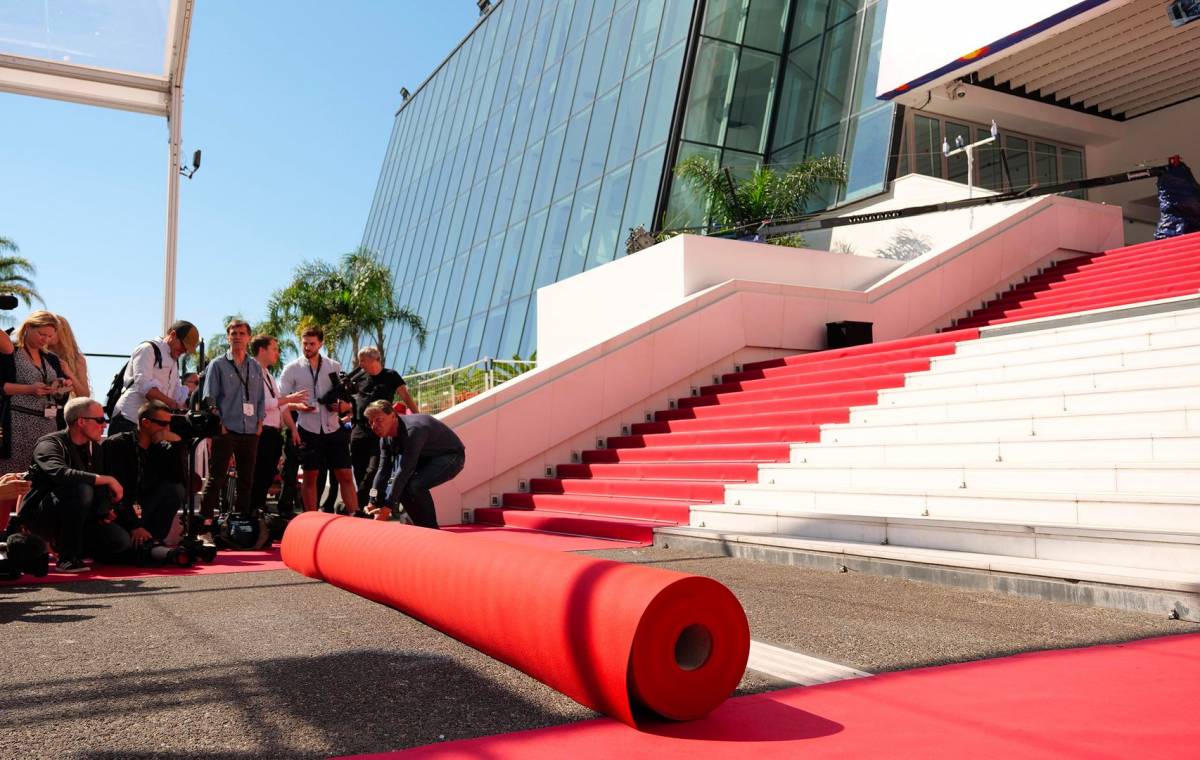
Beyond the competition, the festival continued to deliver its annual blend of Riviera glamour and cinematic mythology. Luxury brands transformed beachfront hotels into temporary kingdoms of fashion and influence. Private parties stretched from Cannes to Cap d’Antibes and Monaco. Mega-yachts that sailed between the Principality and Cannes glowed across the harbour after midnight while photographers crowded every staircase leading toward the Palais des Festivals.
This year’s official festival poster, inspired by Thelma & Louise, also subtly reinforced Cannes’ continuing fascination with cinematic legacy and female iconography.
Barbra Streisand received an honorary Palme d’Or celebrating her extraordinary six-decade career. In a pre-recorded message, Streisand reflected on the resistance she faced as a female filmmaker while developing Yentl, reminding audiences how difficult artistic independence once was for women in Hollywood.

Main 2026 Cannes Winners
- Palme d’Or: Fjord — Cristian Mungiu
- Grand Prix: Minotaure — Andreï Zviaguintsev
- Jury Prize: A Dreamed Adventure
- Best Director: Fatherland and La Bola Negra
- Best Screenplay: Notre Salut by Emmanuel Marre.
- Best Actress: Virginie Efira and Tao Okamoto (All of a Sudden)
- Best Actor: Emmanuel Macchia and Valentin Campagne (Coward).