
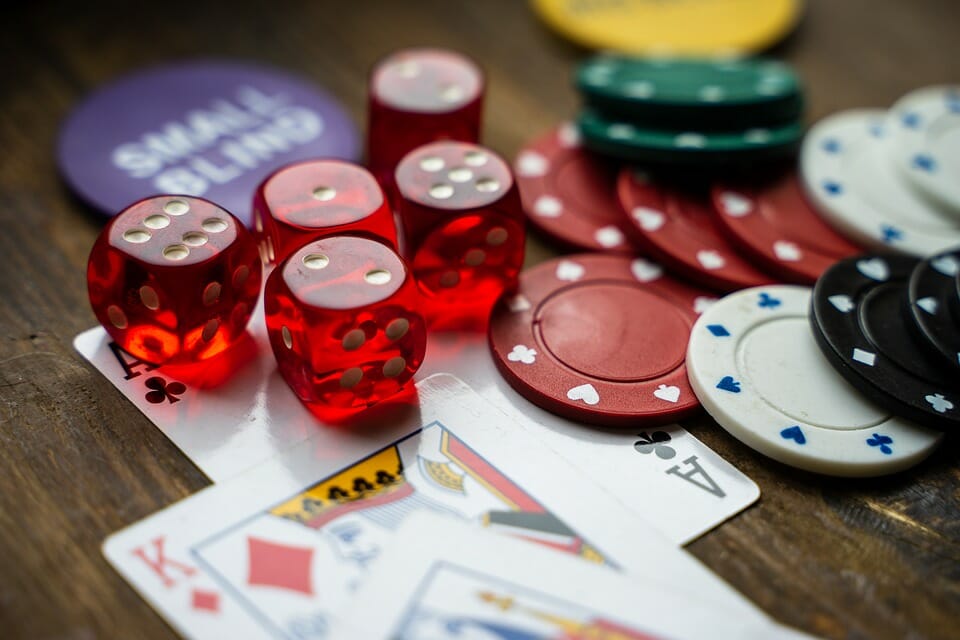


In a workshop belonging to the Casino de Monte-Carlo, someone has already decided what the zero is made of. The numbers on its roulette wheels are made in ebony and rosewood, the zero in palisander, and the cylinders that turn them are checked every day. Monte-Carlo’s reputation was built on its buildings and a good deal of mythology, but the tables were always the reason for the place, and the two games most tied to it are roulette and baccarat.
The wheel that made the name
The casino opened in 1863, run by the Société des Bains de Mer under François Blanc, who had already made a success of gaming resorts in Germany. Three years later the headland was renamed Monte-Carlo, and in 1878 and 1879 Charles Garnier rebuilt the casino and its theatre.
Roulette was already old by then. It had taken shape in eighteenth-century France, and it was easy to explain to anyone: a numbered wheel, a ball, and a table of bets running from a single number to red or black. The casino deals European roulette, with a single zero, which gives the house an edge of about 2.7%, against about 5.3% on the double-zero wheels common in America.
The people at the wheel are trained just as carefully. Croupiers at the casino study for nine years before they can deal all six of its games, and at this year’s European Dealer Championship in Baden-Baden, one of its dealers finished third overall out of almost forty.
Baccarat, younger than it looks
Baccarat’s reputation is older than its record. The earliest known mention of the game in print dates from 1847, according to a history of the game by the researchers Stewart Ethier and Jiyeon Lee, and the stories that place it in fifteenth-century Italy are hard to support.
It began as a parlour game among French aristocrats and became a high-stakes fixture of the grand European casinos, often in versions where a player held the bank. The game Monte-Carlo deals today, punto banco, came by a different route: it was worked out in Havana, where the house took over the bank, and reached Las Vegas in 1959.
It asks even less of the player than roulette does. Two hands are dealt, one called the player and one the banker, and whichever comes closer to nine wins; once a bet is down there is nothing left to decide. Monte-Carlo has long kept separate rooms for its biggest players, and the Salle Médecin, designed by Julien Médecin in 1910, is still reserved for high-stakes play and tournaments.
From the table to the screen
Both games have moved onto screens without changing their rules. A roulette layout, a single zero and bets on red or black need no translation, and baccarat’s fixed drawing rules, which decide when a third card is dealt, are easy for software to follow.
Those looking to play roulette games for real money can choose between two versions: one where software decides where the ball lands, and a live table where a croupier spins a physical wheel on camera. Neither version brings the room with it, so the eight Bohemian crystal chandeliers of the Salle Europe and the hush around a busy table late at night stay in Monte-Carlo.
Rules that still apply in Monte-Carlo
The casino still asks something of its visitors. Entry to the gaming rooms currently costs €20 and needs a passport or photo ID, with photocopies and digital ID turned away. After seven in the evening, T-shirts and short-sleeved shirts aren’t allowed in the gaming rooms, and Monegasque citizens remain barred by law from playing there at all, a rule usually traced back to the reign of Charles III. The games travel easily enough, but the building they made famous has kept its own way of doing things.