
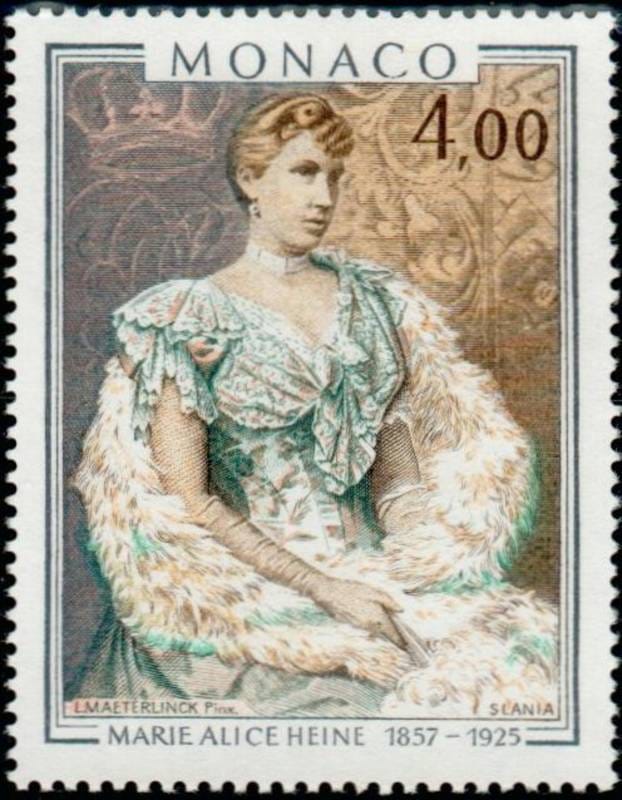


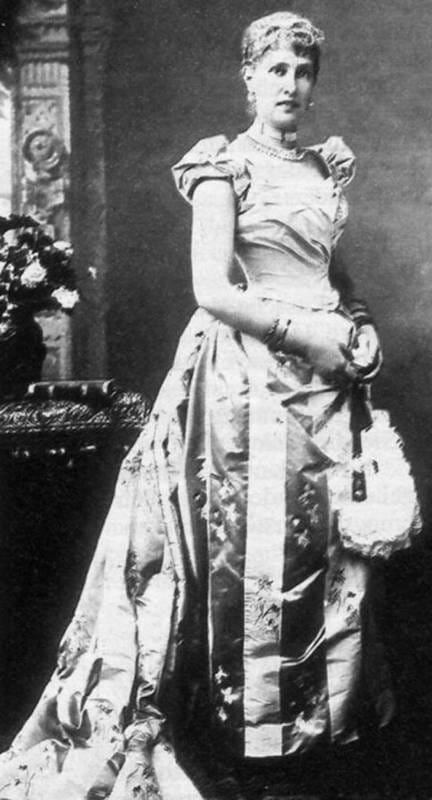
It was 100 years ago, on December 22, 1925, when Alice Heine died, the second wife of Prince Albert I of Monaco, the first American woman to sit on any European throne. Despite her difficult relationship and breakup with the Prince she is remembered as a person who had a great influence on the development of culture in Monaco.
“I saw the Princesse de Luxembourg, half leaning upon a parasol in such a way as to impart to her tall and wonderful form… she floated as softly as a silken scarf,” wrote Marcel Proust in his novel, In Search of Lost Time. The inspiration for the beautiful character, immortalized in the writer’s story, is none other than Princess Alice Heine.
Years before Grace Kelly married Prince Rainier III, Alice Heine became the first American-born Princess of Monaco when she married Prince Albert I in 1889. And her story is more fascinating than any fairy tale.
The Heine family
Marie Alice Heine was born in New Orleans on February 10, 1857. Her father was a German-Jewish banker, Michel Heine, born in France. Her wealthy, French-Creole mother was Amélie Miltenberger. The cousin of Alice’s father was poet and philosopher Heinrich Heine. Her younger brother, Paul Heine, became a notable sculptor and recipient of France’s Legion of Honour.
Every year, the Heine family travelled back and forth from Paris to New Orleans. Alice’s parents, became regulars in the court of Napoleon III. After Alice was born, Emperor Napoleon III and Empress Eugénie became her godparents. The Heine’s banking enterprise loaned the Emperor substantial sums of money to finance his war against the Prussians in 1870, when Alice was thirteen years old. Following the outbreak of the American Civil War, the Heine family relocated permanently to France.
Widowed at 22 years old
At age seventeen, Alice married Armand Chapelle, 7th Duke of Richelieu and Marquis de Jumilhac. The newlyweds settled at the Duke’s ancestral home, Château de Haut-Buisson, a mansion two hours from Paris. Alice bore a son, who would become the eighth and final duke, and a daughter. Five years later, the Duke died at the age of 32, while in Athens, Greece. He left Alice seventeen million francs.
As a young widow, Alice hosted parties at Château du Haut-Buisson. Intellectuals and artists, like Oscar Wilde, Pierre Loti and Marcel Proust attended her legendary gatherings. Alice would serve traditional Creole food amongst interiors decorated in international styles.
“The greenhouses at Haut-Buisson were magnificent, and Princess Alice grew pink orchids there, which Queen Alexandra (of England) had sent her from Sandringham,” wrote Gabriel Louis Pringué in his memoirs.
Meeting with the heir to the Monegasque throne
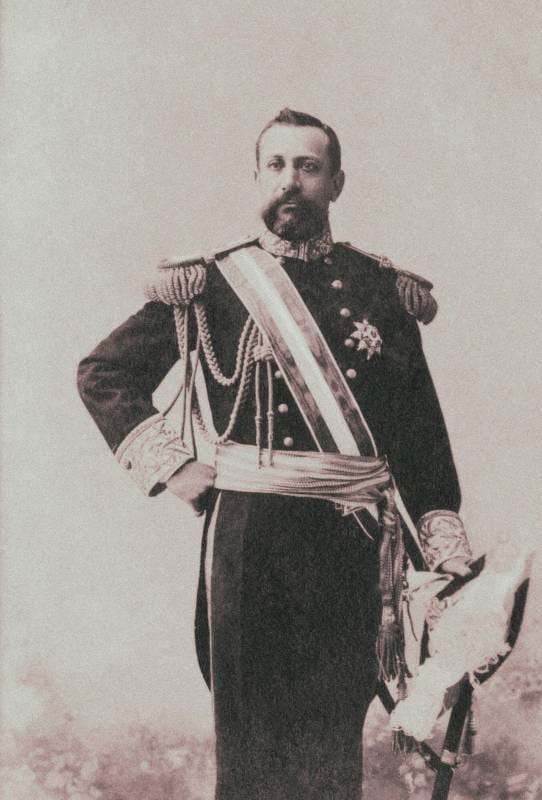
Hereditary Prince Albert I of Monaco, great-grandfather of Prince Rainier III, also frequented Alice’s parties. The Prince first met Alice in Madeira in 1879. When Alice and Albert locked eyes, it was love at first sight. But at the time, Albert was married to Lady Mary Victoria Douglas-Hamilton.
Albert’s first marriage was an unhappy one. The marriage was arranged, as it had long been an ambition of Albert’s mother and grandmother to marry Albert to a member of the British royal house. After eleven years of marriage and only a few months after meeting Alice, Albert’s first marriage was annulled by the Church on January 3, 1880.
The Prince and Alice quickly began a relationship. Alice and Albert were madly in love, but unfortunately, Prince Charles III did not approve of Alice. Some sources say that Prince Albert’s father didn’t approve of Alice’s social life and despite her conversion to Catholicism, Prince Charles III did not approve of her Jewish ancestry.
Royal Honeymoon in Madeira
The couple lived out of wedlock for nine years. When Charles III died of pneumonia at the age of 71, Albert and Alice finally got married. On October 30, 1889, just one week after his accession to the throne, Prince Albert and Alice had an intimate wedding in Paris, followed by a honeymoon in Madeira. When the newlyweds returned to Monaco, they were warmly received by the Monegasque people.
As the new Princess of Monaco, Alice received royal visitors from around the world, including the Prince of Wales, who would later become King Edward VII, and King Leopold II.
Hiring Raoul Gunsbourg
An avid lover of the arts, Alice found Monaco to be lacking in cultural institutions. Three years after becoming a Princess, Alice employed her old friend from Paris, Raoul Gunsbourg, as the Director of the Opera de Monte-Carlo, which had opened in 1879. The Princess had provided financial support to Gunsbourg’s productions over the previous decade. Alice’s decision to hire Gunsbourg proved instrumental in developing the Opera’s profile, and it quickly became a world-renowned cultural institution.
An affair with an English Composer
Alice also hired English composer, Isidore de Lara, to compose music for the Opera (which he did from 1894 until the outbreak of World War I). His most popular opera was Messaline (1899). Not long after the composer was hired, a romance developed between Alice and Isidore.
In 1902, the Prince and Princess were guests at the premiere of Isidore’s new production and were making their way to the royal box. As Albert took his seat, he noticed Alice whispering flirtatiously with Isidore. It was at this moment that the Prince realized the pair were having an affair. To the shock of the guests around them, Prince Albert allegedly slapped Alice in the face before heading home to the palace alone.
Alice and Albert’s marriage came to an abrupt end. Within a few days, Alice left Monaco at the age of 45, and soon afterwards, signed a judicial separation document, although the couple never officially divorced. While she legally retained the title of Princess of Monaco, Alice signed a legal clause stipulating that she would never return to the Principality again.
Twenty years later, in 1922, Prince Albert died. Alice died in Paris three years later at the age of 68. After Prince Albert’s death, his son from his first marriage, Louis II became Prince of Monaco. But Alice’s legacy in the Principality has not been forgotten. Her love of opera thrust Monaco onto the world stage with Raoul Gunsbourg remaining at the Opera de Monte-Carlo for sixty years.
Prince Albert II honours Princess Alice in New Orleans
In 2018, Prince Albert II travelled to New Orleans to pay tribute to Alice Heine. He visited the house she was born in, located at 900 Rue Royale, which has become a restored heritage building. There, the Sovereign unveiled a commemorative plaque to honour Princess Alice. Not long before his visit, Prince Albert II learned through official birth records that Alice was actually born in 1857 (many sources mistakenly cite her birth year as 1858).
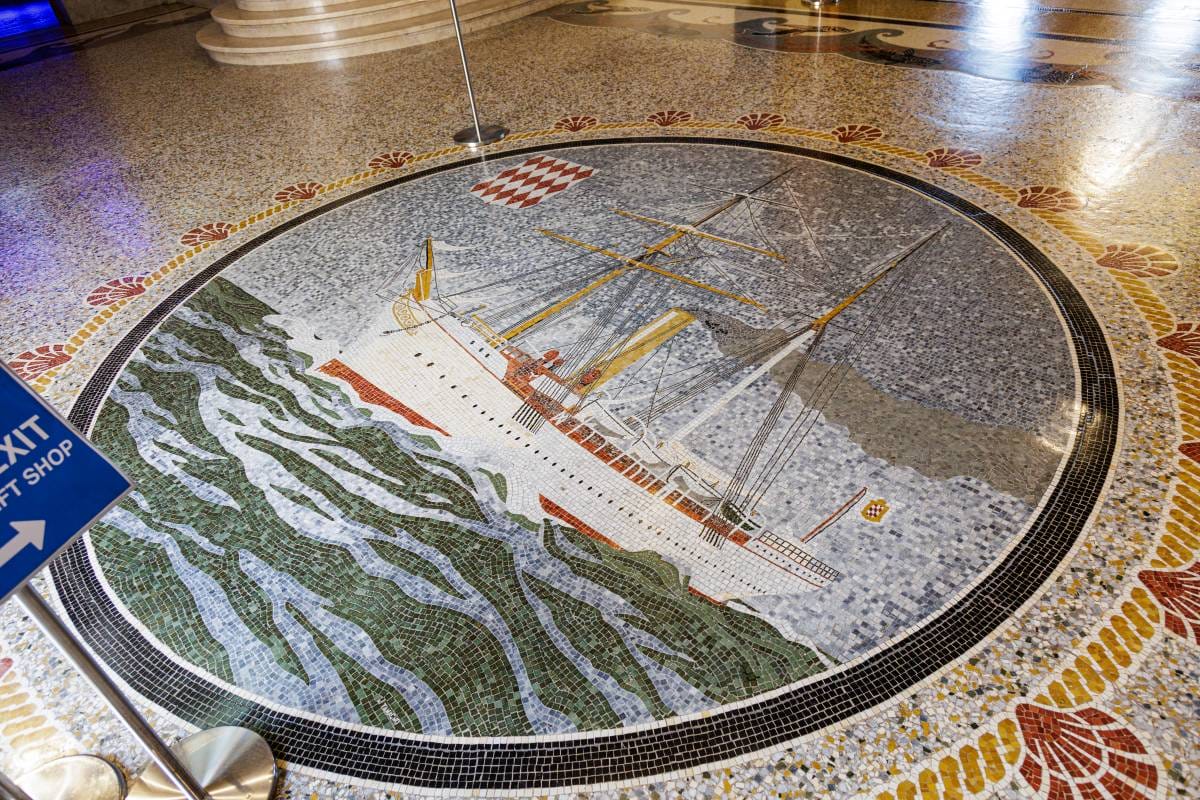
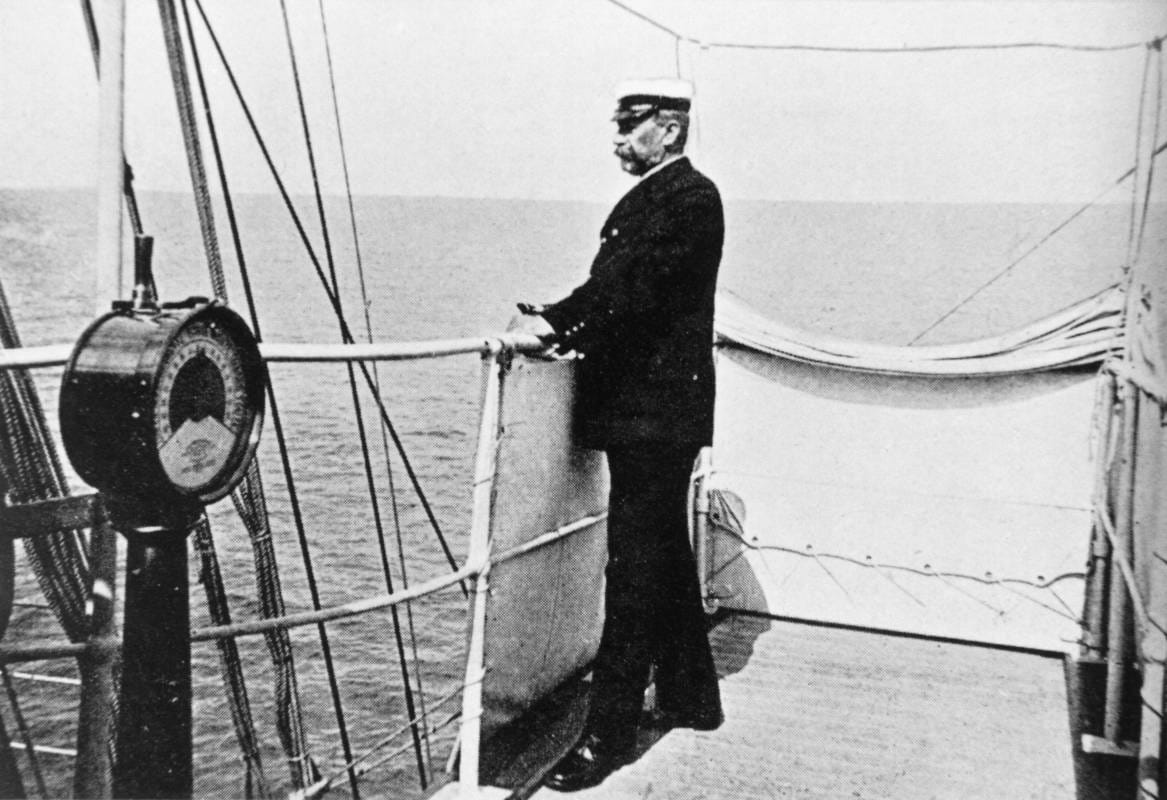
During his speech in New Orleans, Prince Albert II said, “As you know, New Orleans gave a Princess to the Principality of Monaco; the first American Princess of Monaco… She was a very unique personality, typical of this European Belle Époque period before the First World War, during which she mainly lived, and she was also quite a leading figure in the Principality’s history, promoting its culture and lending her name to two of my great-great-grandfather’s scientific research vessels… The Princess wrote to her husband: ‘You have made me better, you have opened my mind to all that is beautiful and you have raised me above the banality of the world.’ For his part, in February 1891, speaking at the launch of the first ship named Princess Alice, Albert I said: ‘I address my toast to the one whose name will now shine like a ray of sunshine on the calm sea, or as a talisman in storms: To my dear wife! Under whose auspices I place my ship, as I have so happily placed my whole life, to Princess Alice!’ In conclusion I would say that you can be proud, as we are in Monaco, of the child of New Orleans.”