




Casino gaming has picked up plenty of folklore over the years. Some of it comes from films, some from forum threads and some from systems that sound convincing on paper. Most of it centres on familiar casino games such as Blackjack, Roulette and Slots, where it can seem like a pattern or method might change the outcome.
Here are seven common myths, and why none of them stand up.
Card counting works online
Card counting means tracking which cards have left the deck to estimate what might come next. It relies on a physical shoe being dealt down over several hands. Online Blackjack uses a random number generator (RNG) that effectively reshuffles the virtual deck before every hand, so there’s nothing to track. Live dealer tables use real cards, but many reshuffle the shoe partway through. Whatever the format, the house edge stays in place.
The Martingale can beat the house edge
The Martingale is a betting system where you double your stake after each loss, on the idea that one eventual result in your favour covers everything before it. It doesn’t change the odds of any single bet. A short run of losses pushes stakes up fast. Seven losses in a row from a one coin starting stake means the eighth bet would need to be 128 coins. Table limits and your bankroll cap how far it can go, and like any system, it can’t improve your chances.
Red is due after a run of black
This is known as the gambler’s fallacy. Each spin of a Roulette wheel is independent, and the ball has no memory of where it landed before. In 1913, black reportedly came up 26 times in a row at the Monte Carlo Casino while players kept staking on red. On a European wheel, red covers 18 of the 37 pockets on every spin. That’s just under a 49% chance, no matter what happened on the last spin.
Slots run hot and cold
Some players believe a slot machine is due a payout after a long gap, or goes cold after paying out. Online Slots and modern slot machines use RNGs, so every spin is separate from the one before. A game’s return to player (RTP) figure is a long-term average worked out over a very large number of spins. It says nothing about what might happen in a single session.
Time of day affects outcomes
There’s a popular belief that games pay out more at night or at weekends. RNG outcomes don’t follow the clock. A game’s RTP is set by its design and doesn’t shift depending on when you play.
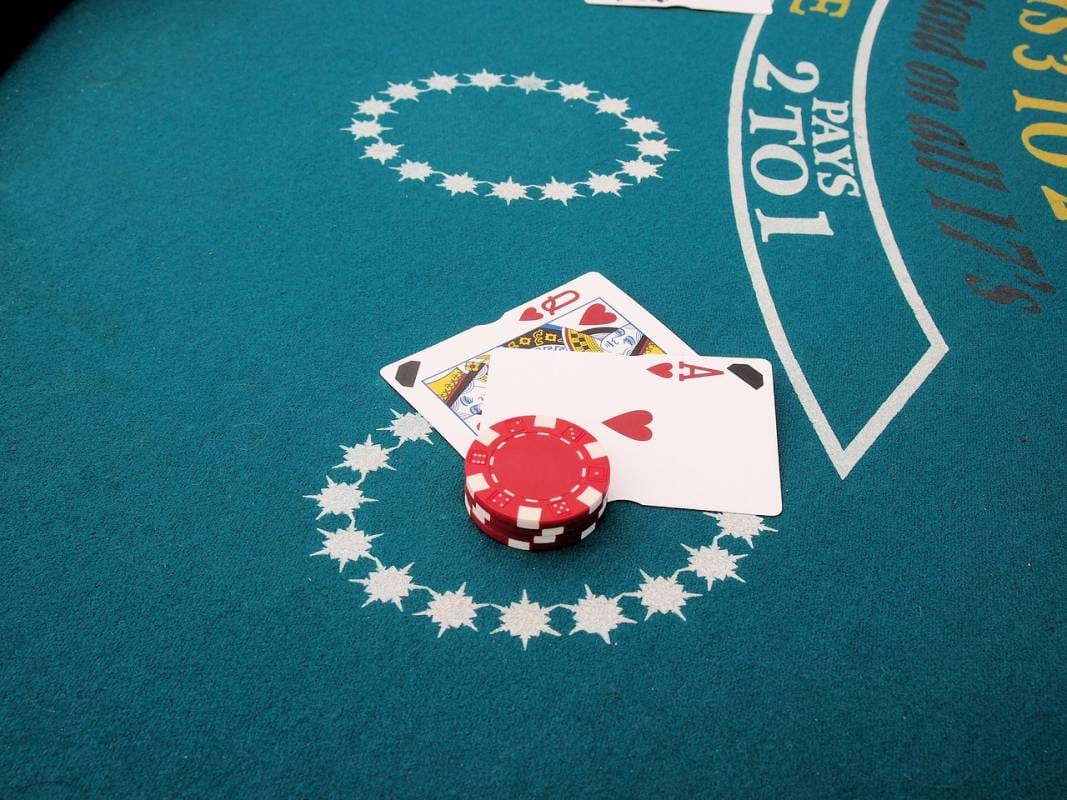
Your seat at the Blackjack table matters
Third base is the seat that acts last before the dealer, and some players blame whoever sits there for taking the dealer’s card. The order of cards is random either way. Another player’s choice might change which card you receive, but it’s just as likely to go the other way, so over time it makes no difference to the odds.
Online casino games are rigged
Licensed UK sites must meet Gambling Commission standards, which include independent testing of RNGs and game outcomes. Licence details are usually shown in a site’s footer and can be checked on the Commission’s public register. That doesn’t make outcomes predictable. It means they’re random and in line with the published RTP.
Why these myths stick around
Each myth suggests outcomes can be read, timed or controlled. They can’t. The house edge applies whatever system, seat or time of day you choose, and no outcome is ever certain. Setting a bankroll you’re comfortable losing and a time limit before you start can help keep gaming in check. If it ever stops feeling that way, trusted organisations offer free and confidential support.