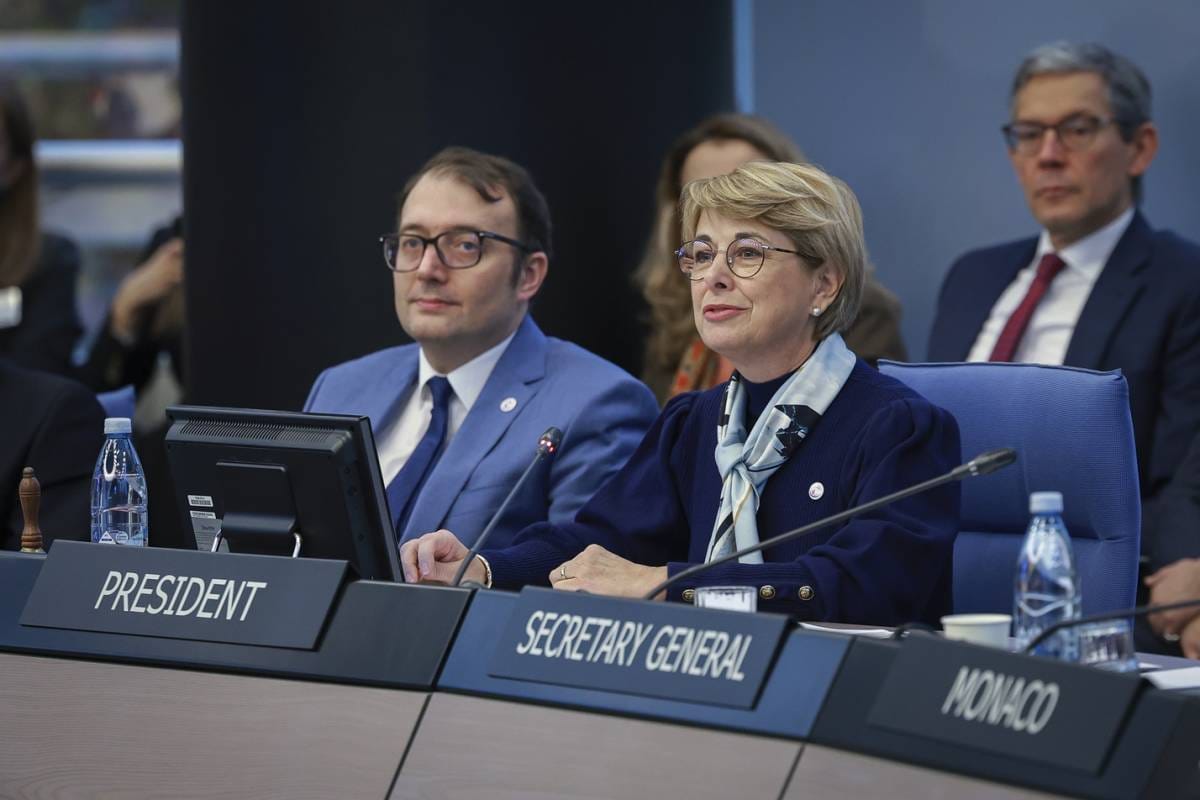


Six months is a short time to confront some of Europe’s most stubborn problems. It is long enough, however, to show what a small country can bring to the table. On 10 November, Monaco handed the Presidency of the Council of Europe’s Committee of Ministers to Montenegro in Strasbourg, completing its first turn in the chair since joining the organisation in 2004. For the Principality, the occasion combined diplomatic ceremony with a more searching question: what had those six months helped move forward?
The answer stretched from justice to the safety of young athletes, from dealing with financial crime to the risks children face online. Across that varied agenda ran a common concern: how to turn Europe’s commitments to human rights, democracy and the rule of law into practical protection.
A farewell with feeling
Addressing the Ministers’ Deputies at the Palais de l’Europe, Isabelle Berro-Amadeï, Monaco’s Minister of External Relations and Cooperation, acknowledged both pleasure and emotion as she spoke for the final time under the Monegasque Presidency. Chairing the Committee had been a considerable honour, she said, but also an immense challenge. Monaco had approached that responsibility through ministerial conferences, expert meetings and thematic discussions in both Strasbourg and the Principality. The commitment reached the highest level of the State, with Prince Albert II visiting the Council of Europe in October.
Protection closer to home
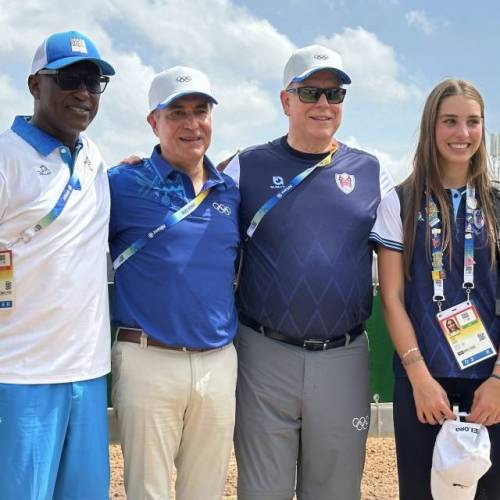
Monaco’s programme also examined threats woven into everyday European life. An informal conference of justice ministers addressed financial crime. A meeting of the Ministers’ Deputies in Monaco focused on environmental challenges. The 19th Conference of Ministers responsible for Sport considered the protection of children and young athletes. Other meetings addressed violence against women, young people’s safety in the digital environment, disinformation and the strengthening of the Council of Europe’s legal instruments.
For Monaco, hosting these discussions brought European cooperation into the Principality itself. It also gave substance to the guiding ambition of its Presidency: protecting everyone through an effective organisation capable of responding to contemporary challenges.
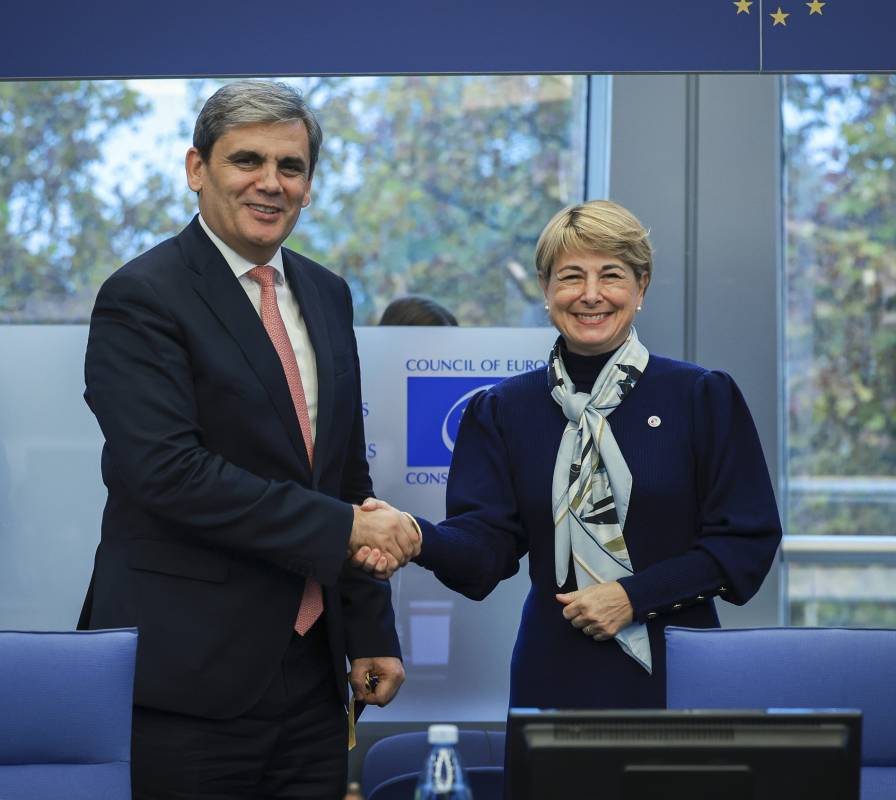
Before midday, an official ceremony outside the Palais de l’Europe marked the transfer to Montenegro, represented by Deputy Prime Minister and Foreign Minister Ervin Ibrahimović. Berro-Amadeï thanked the delegations, Council of Europe teams and partners who had contributed to Monaco’s six months in the chair. She also stressed the importance of dialogue and compromise among the organisation’s 46 member states. Those qualities rarely produce dramatic headlines. They are nevertheless essential to keeping collective action moving. Council of Europe Secretary General Alain Berset had already offered a warm assessment during the sports ministers’ conference in Monaco on 4 November, saying that the Monegasque Presidency would leave its mark.