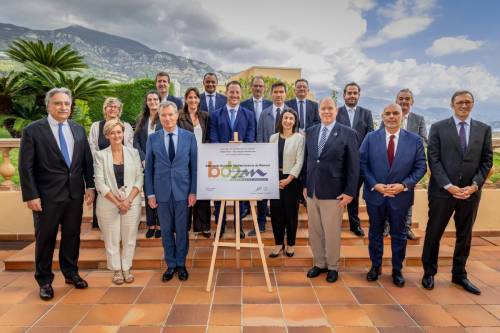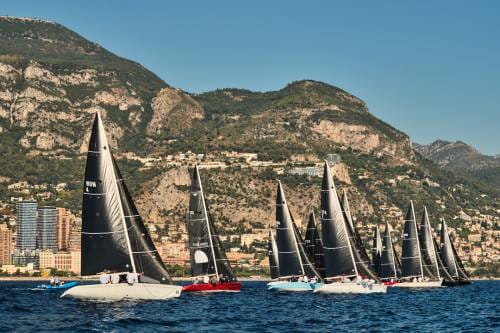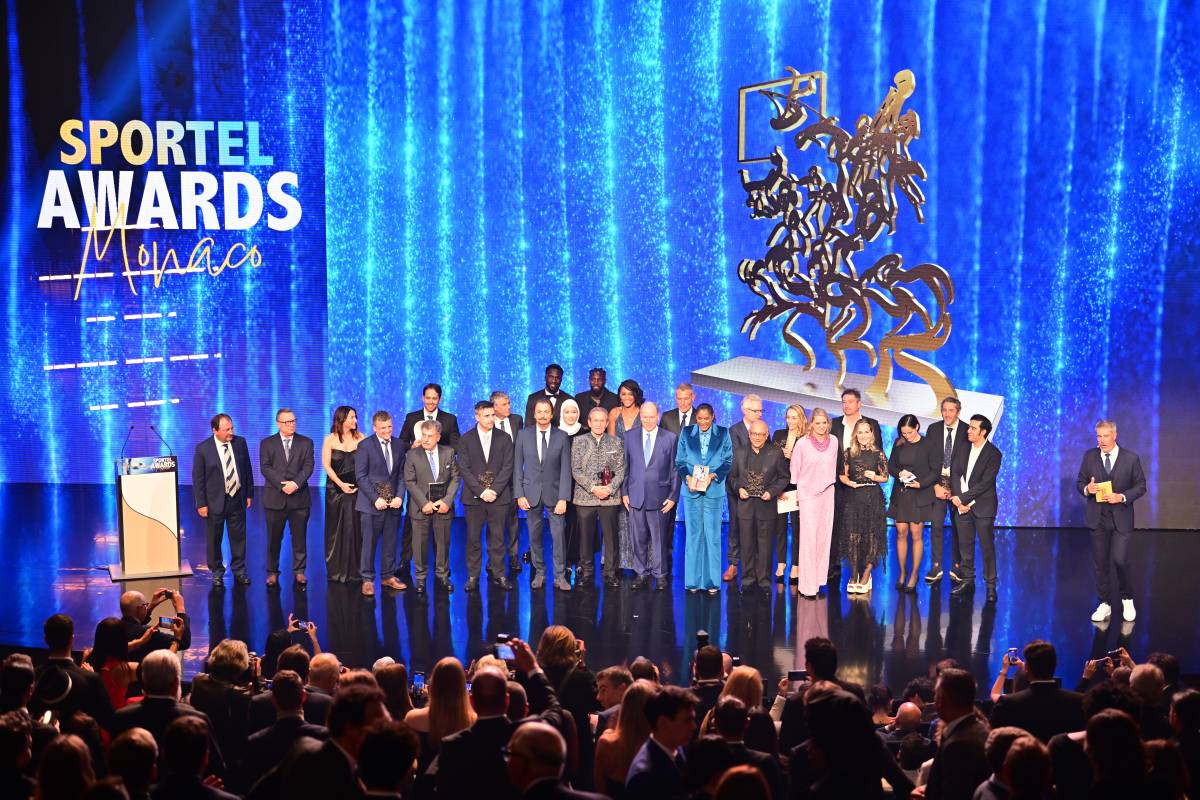


What do mushrooms that devour plastic, aircraft that land on water and Mediterranean seawater have in common? They could all help save the planet. At EVER Monaco 2026, Prince Albert II challenged innovators to turn extraordinary ideas into practical solutions.
Imagine boarding an electric aircraft in Monaco and gliding above the Mediterranean towards Rome.
Or a world where plastic waste becomes food for microscopic fungi.
And what if the sea itself could heat and cool the buildings along its shores?
Science fiction? Not quite.
These were among the possibilities explored at the 21st edition of EVER Monaco, held on 14 and 15 October at One Monte-Carlo.
For two days, the Principality became a laboratory of ideas, bringing together innovators determined to answer one pressing question: how can we enjoy modern civilisation without destroying the planet?
When the Future Takes Flight
One of the most intriguing visions came from aviation innovator Eenuee, whose proposed electric seaplane resembles something from a futuristic film.
Its blended-wing-body design integrates the passenger cabin into the aircraft’s aerodynamic structure.
According to CEO Benjamin Persiani, it could achieve energy savings of 30 to 40 per cent compared with conventional aircraft of similar capacity, while offering considerably more cabin space for luxurious interiors.
The ambition is to create something resembling high-speed rail for destinations trains cannot conveniently reach.
A Monaco-to-Rome connection is envisaged, with a prototype targeted for 2031 and commercial operations planned for 2034.
The vision? Quieter, cleaner regional aviation connecting Mediterranean destinations.
The Extraordinary Appetite of a Humble Fungus
Another innovation operates at a rather less glamorous level.
It involves fungi.
Not the kind that appear on restaurant menus, but microscopic organisms capable of attacking one of the world’s most persistent pollutants.
Plastic.
Laureen Mori-Bazzano, founder of biotechnology startup Mycèna, is developing a process using specialised fungi and enzymes to break down synthetic polymers.
The organisms release enzymes that fragment plastic molecules into smaller components that microorganisms may absorb.
In effect, nature is being recruited to dismantle materials it has traditionally struggled to eliminate.
Although scientific challenges remain, Mycèna’s research into degrading polyethylene, widely used in packaging, earned the jury’s special Coup de Cœur award.
From Clever Drains to Flying Deliveries
Sometimes the most useful inventions are also the least spectacular.
French startup Vertuoso has developed drainage systems that capture cigarette ends, plastic fragments and other pollutants before they reach the sea.
This deceptively simple innovation earned first prize in EVER Monaco’s startup competition.
Second-prize winner Metacar presented compact electric vehicles that nest together like supermarket shopping trolleys, making shared mobility easier to organise.
Meanwhile, third-prize winner Flyde proposes replacing motorboats with electric drones for delivering small packages to yachts, ships and islands.
For Monaco, with its enormous concentration of luxury yachts, the potential is obvious.
Why dispatch a fuel-powered boat when an electric drone can deliver the same package?
Monaco’s Secret Weapon Is Already in the Sea
Not every environmental breakthrough requires a new invention.
Sometimes the answer lies just below the Mediterranean’s surface.
Astrid Siohan, Director of Urban Heating and Cooling at SMEG, highlighted the growing importance of thalassothermy.
The principle is straightforward: seawater acts as a thermal reservoir, helping heat buildings in winter and cool them in summer.
Fontvieille’s thermal network demonstrates how this technology can reduce dependence on conventional heating and cooling systems.
Unlike the futuristic aircraft, this innovation is already operating in Monaco.
Virginie Cotta, Secretary General of Monte-Carlo Société des Bains de Mer, also highlighted the luxury industry’s capacity to pioneer environmental improvements and encourage their wider adoption.
Prince Albert’s Message: Innovation Is Not Enough
Perhaps the most important message came from Prince Albert II.
The Sovereign emphasised that environmental progress requires more than technological breakthroughs. It demands cooperation between governments, businesses and citizens.
“Our guiding conviction is clear: innovation must not be set against the imperative to preserve nature. We must reconcile human progress with the protection of our planet.”
Monaco’s National Pact for the Energy Transition illustrates this collective approach.
After all, even the most brilliant invention is of limited value without supportive regulations and infrastructure.
The Future May Be Closer Than We Think
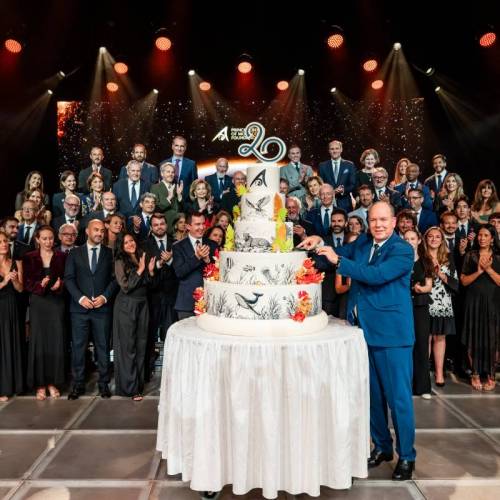
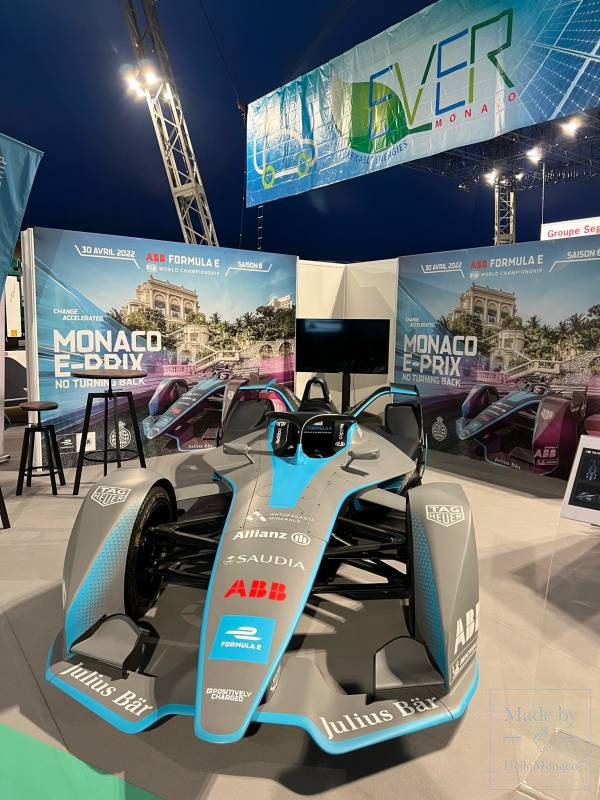
Twenty years ago, when EVER Monaco began bringing together pioneers of sustainable mobility, electric vehicles were still widely regarded as a curiosity.
Today, they are firmly established, and the conference has evolved alongside that transformation.
Some innovations involve sophisticated aircraft and advanced batteries. Others rely on microscopic fungi, clever drainage systems or the sea’s natural energy.
Not every invention will succeed. Some may take decades to become commercially viable.
But progress rarely comes from one spectacular breakthrough.
The future will not be saved by one extraordinary invention. It will be shaped by thousands of them, and by our willingness to put them to work.