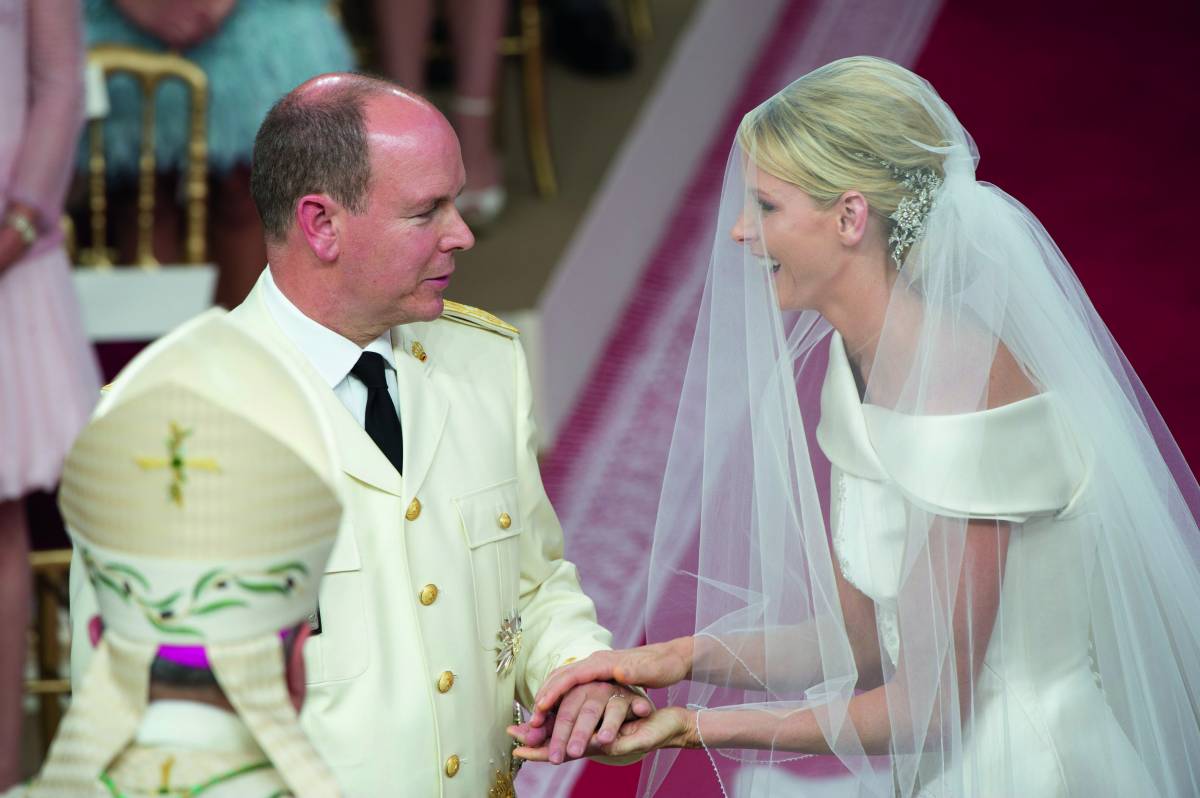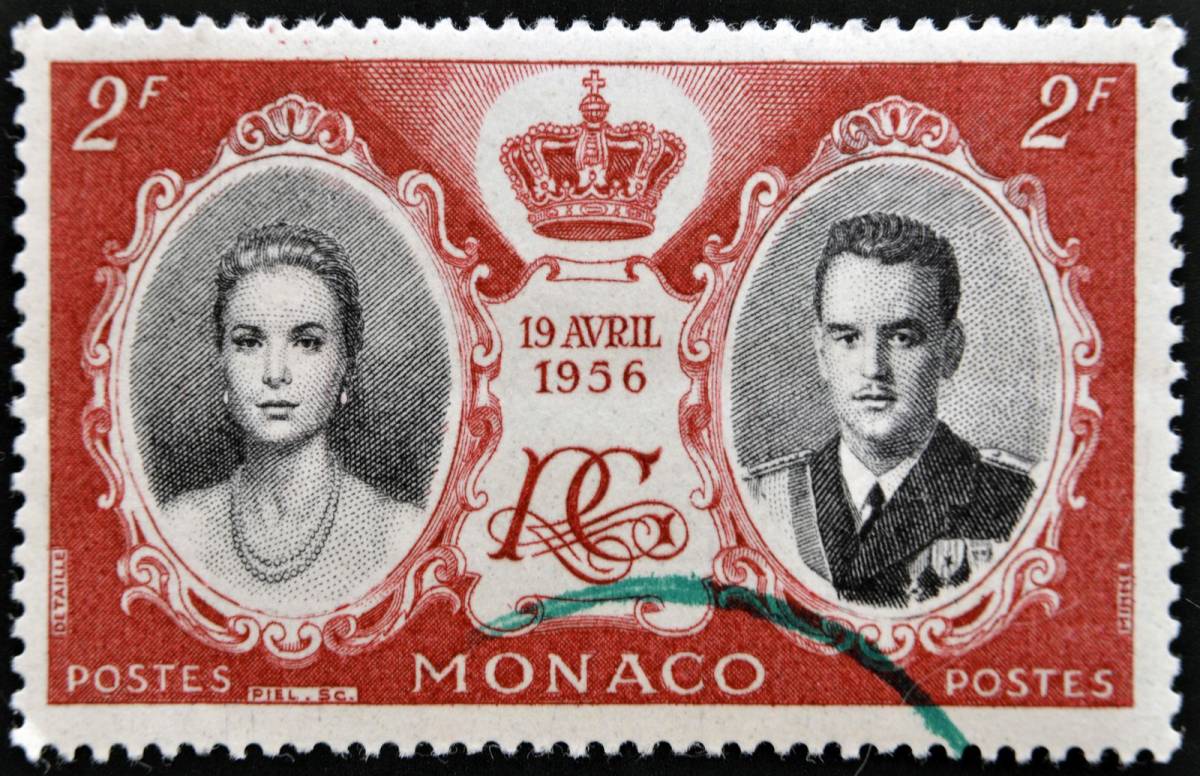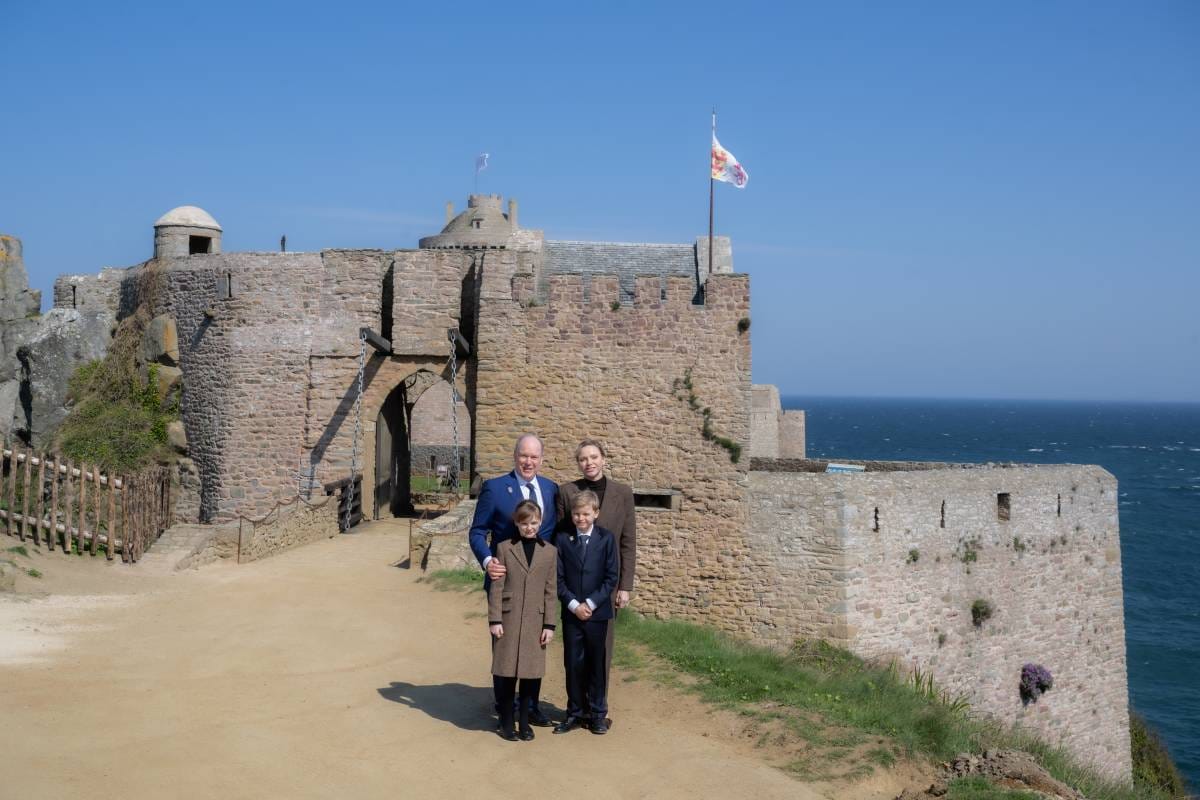
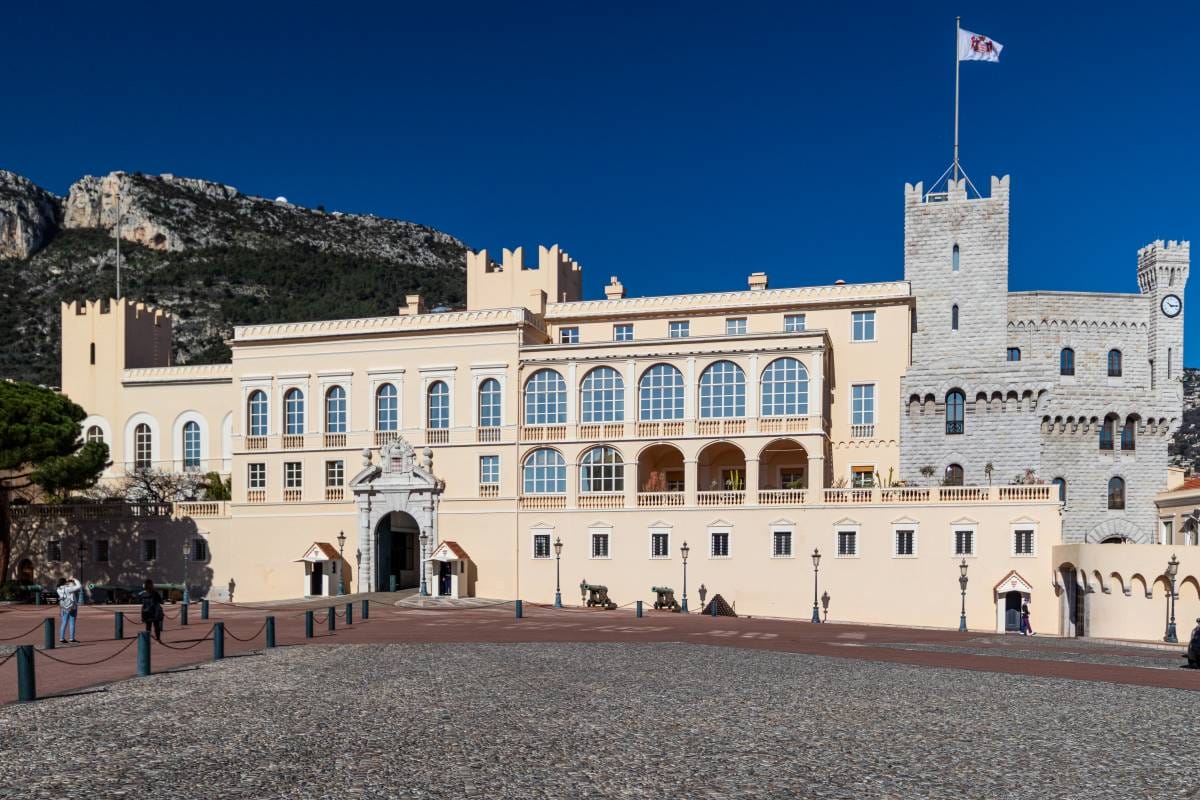


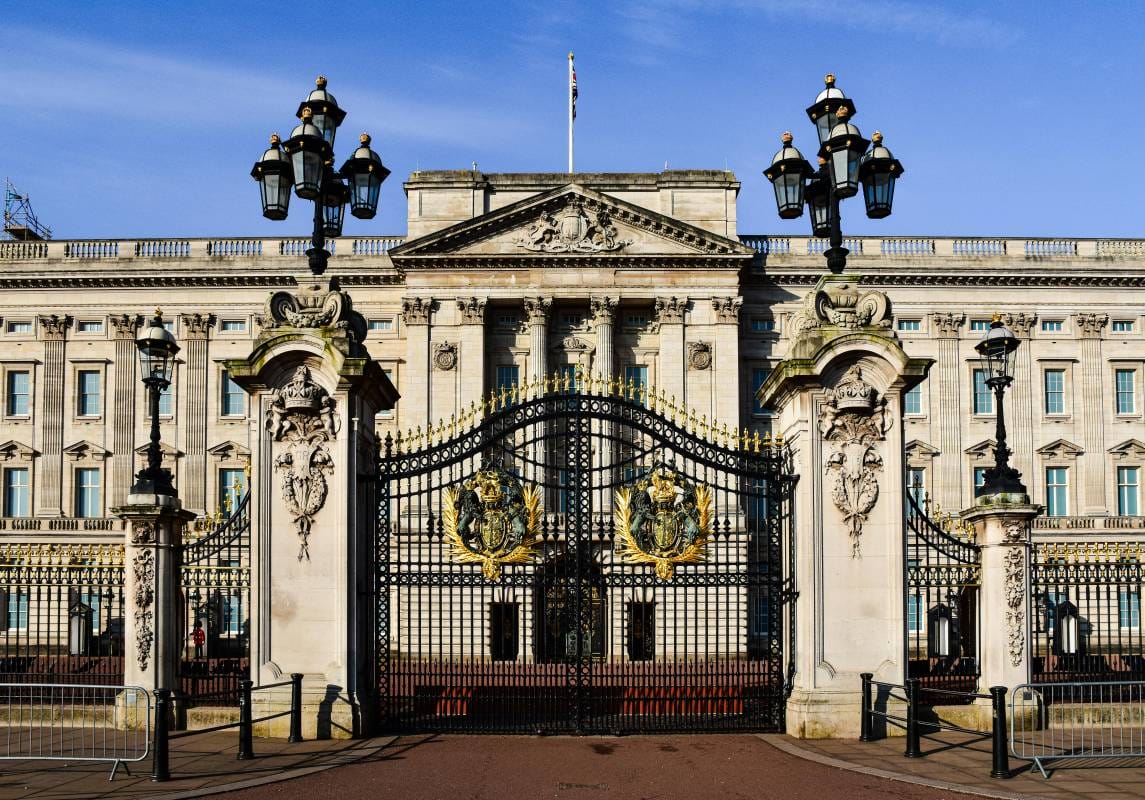
The House of Grimaldi, princes and sovereigns of Monaco, is often seen as a uniquely Mediterranean dynasty with its own local traditions and alliances, particularly with France, Italy and even through the ages with Spain. But in fact, over the centuries there have been several links between the Grimaldis and the United Kingdom royal and aristocratic world. Let’s take a look at connections from the 19th century to the present day, and highlight “royal cousins” in the British sphere.
The Grimaldis: a brief orientation
The Grimaldis first took possession of “the Rock” (Monaco) in 1297, and over the centuries strategically consolidated their position including by marriage and alliances. Because Monaco is strategically placed, its Princes often had close cultural, political and familial links with large European powers (France, Italy, Spain and various German states). The family has married into many European noble and princely houses. Ties to Britain are occasionally more subtle though real.
The Key Link: Lady Mary Victoria Douglas-Hamilton (1850–1922)
The most direct, and widely acknowledged link between the British aristocracy and the Grimaldis comes from the marriage of Lady Mary Victoria Douglas-Hamilton to Hereditary Prince Albert of Monaco (later Albert I).
Background and marriage
Lady Mary was the daughter of William Douglas-Hamilton, 11th Duke of Hamilton, a prominent Scottish peer, and Princess Marie Amelie of Baden. Through Marie Amelie of Baden, Lady Mary already had imperial/German connections, Baden being a grand ducal house.
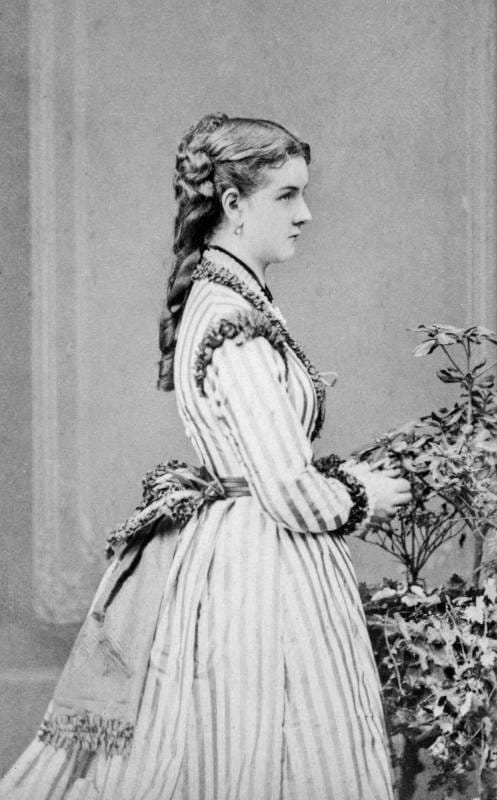
The marriage between Mary and Albert was arranged, in part influenced by the Dowager Princess Caroline of Monaco. Multiple accounts say the marriage to Lady Mary Victoria Douglas-Hamilton “had been arranged by Albert’s grandmother Caroline,” with Napoléon III advising her on the choice. Countess Caroline Gibert de Lametz (1795–1879) on marriage to Prince Florestan had become Princess of Monaco; later, as a widow, she was indeed known as the famous and beloved Dowager Princess of Monaco.
The wedding took place 21 September 1869 at Château de Marchais (in Champagne, France). The couple had a single son, Louis, who would later become Louis II of Monaco. The marriage proved unhappy. Mary disliked life in Monaco, especially its climate, and ultimately their marriage was annulled in 1880. At the same time their son Louis was expressly recognised as legitimate.
Genealogical consequences
Through Mary, the Grimaldi (via Louis II) acquired a genealogical link to the Scottish ducal and Baden lines. In effect, subsequent Grimaldi princes, including Rainier III and Albert II, descend from Lady Mary Victoria Douglas-Hamilton through her son Louis II and the sovereign ordinances that later legitimized Louis’ daughter, Princess Charlotte, thereby securing the continuity of the dynasty.
Because Mary’s paternal line, the Hamiltons, themselves had Scottish royal ancestry (tracing their descent in part from Mary, the daughter of James II of Scotland) and because the Scottish and later British monarchy lines interweave over centuries, Mary provides a conduit through which the Grimaldis can be said in a distant way to have a “cousin-like” relationship with the British royal line.
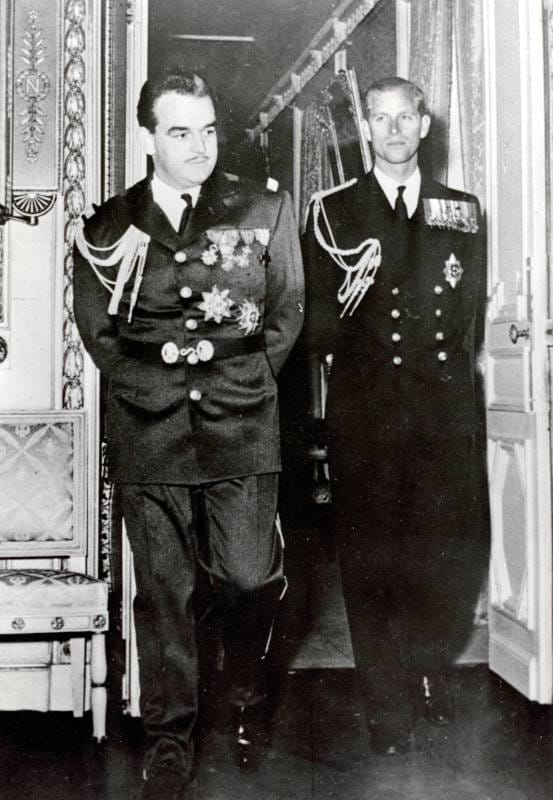
Indeed, some genealogical accounts assert that Mary is a distant cousin by descent of Charles III (and prior British monarchs) via that very Scottish line. On secondary genealogical sites, it is claimed that Mary is the “maternal second cousin of Louis Alexander Mountbatten, 1st Marquess of Milford Haven, and a distant cousin to Prince Philip, Duke of Edinburgh,” even if the degree of kinship is remote.
Later and more recent connections: “royal cousins” and lines of succession
While Mary Victoria’s marriage remains the most concrete historical link, later generations of the Monaco/Grimaldi family have had associations with the British royal line, usually through shared descent from Queen Victoria, or via membership in the line of succession to the throne.
Alexandra of Hanover: a recent example
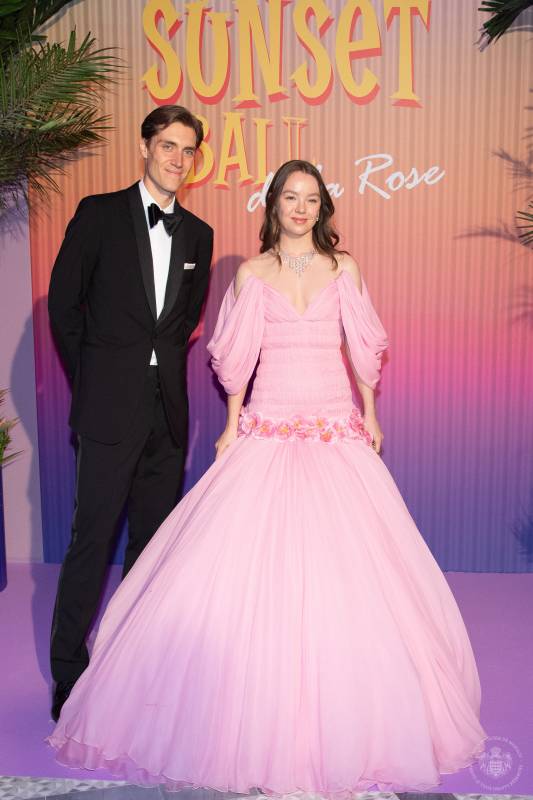
A striking recent case is Princess Alexandra of Hanover, daughter of Princess Caroline of Monaco and Prince Ernst August of Hanover. Through her father’s line (the Hanover line), Alexandra was in the British line of succession. However, in 2018 Alexandra converted to Catholicism. Under British succession law, that disqualified her from the British line.
Though she no longer qualifies for British succession, her very presence in it (before 2018) underscores how the Grimaldi/Monaco family, via intermarriage across European royal houses, has intersected with the extended Windsor genealogy.
Prestige and status
Genealogical links to the British royal line bolstered the prestige of Monaco in the “European royal network” in the 19th and early 20th centuries, when dynastic marriages were badges of legitimacy. Mary Victoria’s British origin, for instance, may have served as an important piece of soft diplomatic capital.
Monaco’s royal family participates in many pan-European royal events (jubilees, funerals and coronations). The fact that Princess Alexandra was once in the British line shows that these genealogical intersections can produce real legal implications under the laws of royal succession.
The idea that Monaco’s princes are (in a manner of speaking) “cousins” of the British royals is a captivating narrative for public interest, tourism, and media, it evokes the notion of Europe’s interconnected dynastic “family tree.”
Finally, just as important is how currently the Royal families of Monaco and the United Kingdom have aligned their influential voices in harmony.
Royal Voices in Harmony
Though often normally miles apart, King Charles III plus his successor in line to the throne, Prince William, and Prince Albert II are now often heard speaking at the same global arenas, as if two branches of the same environmental conscience. At COP28 in Dubai (held 30 Nov–12 Dec 2023), Charles delivered a keynote warning of “alarming tipping points” in the climate crisis, urging world leaders to act decisively. Meanwhile, Prince Albert likewise appeared at COP28, unveiling Monaco’s climate priorities and pushing for stronger international maritime frameworks.
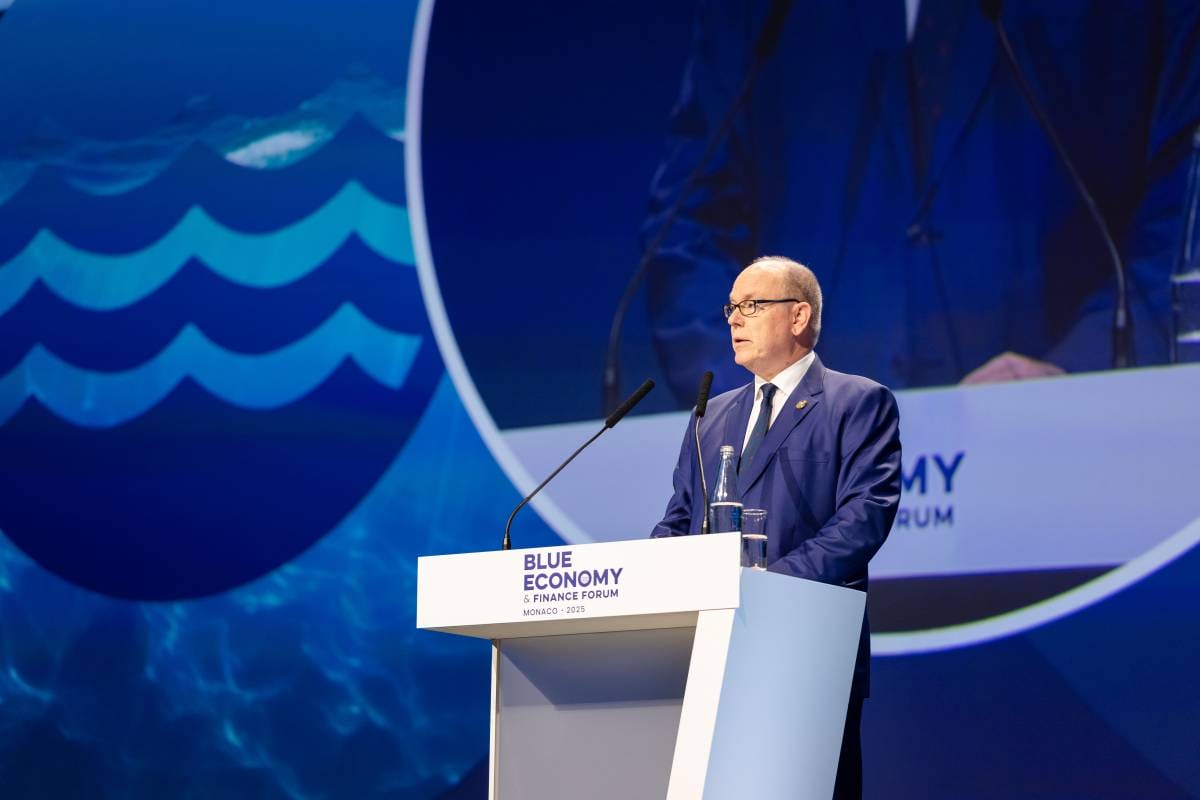
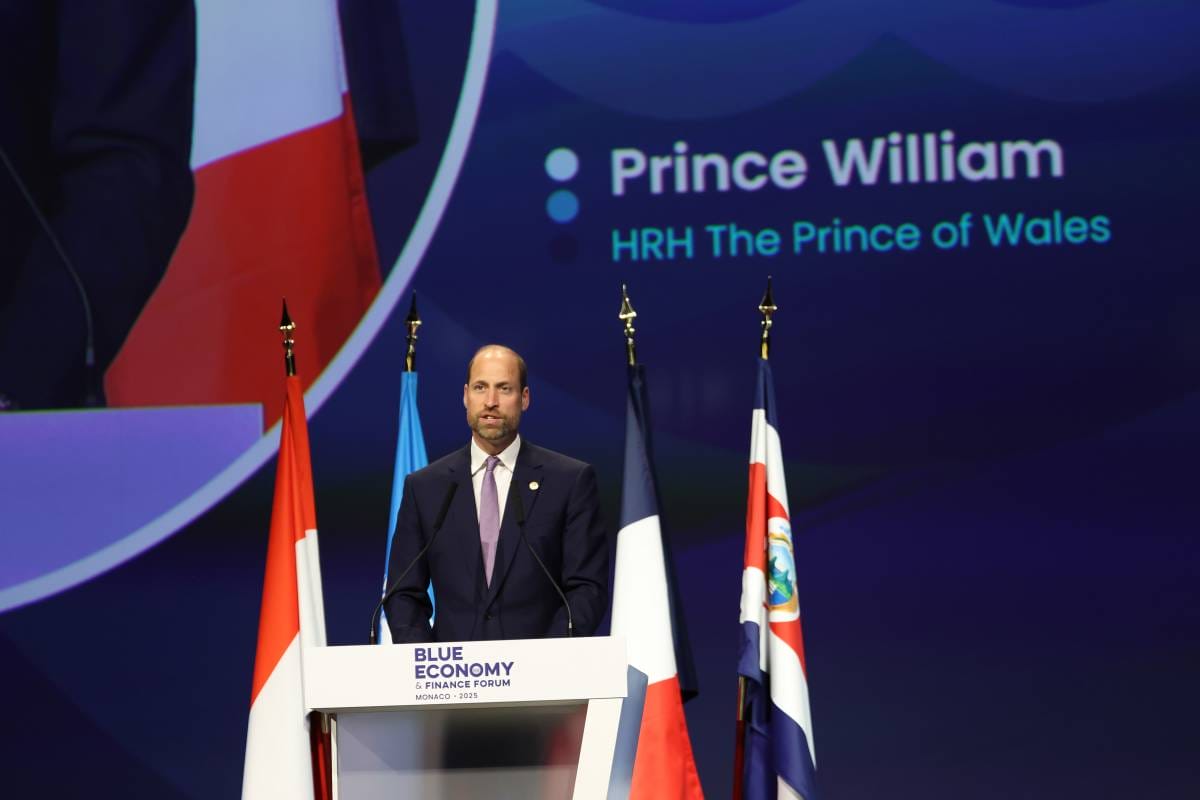
In 2025, Prince William and Prince Albert took the stage together influencing two major ocean forums. First the Blue Economy & Finance Forum Monaco on 7–8 June 2025 where William called for urgent action to protect the oceans in a keynote timed to World Oceans Day, with Prince Albert hosting and speaking alongside heads of state and finance leaders.
Then came the United Nations Ocean Conference—UNOC3 in Nice, on 9–13 June 2025. Both had engaged with world leaders on the “Nice Ocean Action Plan,” with Prince Albert delivering high-level remarks as host-region sovereign and ocean advocate. Prince William had addressed leaders two days earlier in Monaco.
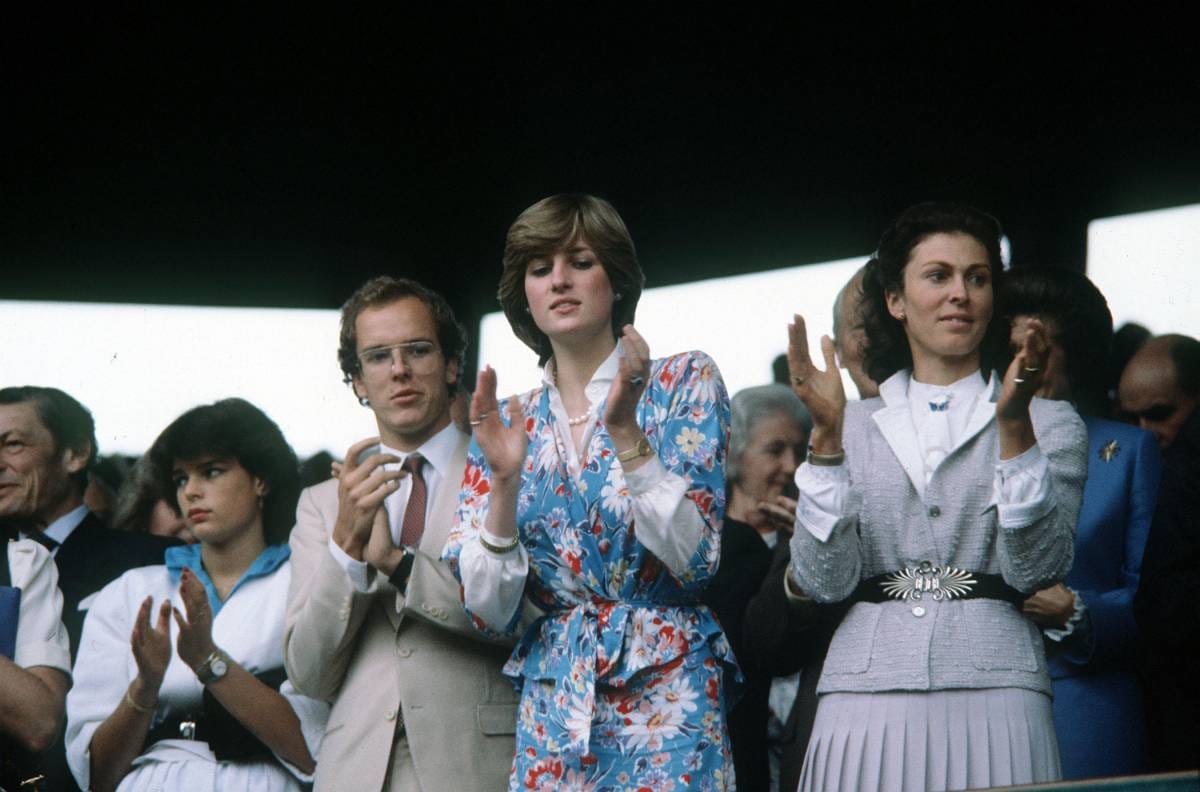
A Meeting of Two Princesses, Grace and Diana
It was the spring of 1981, a glittering charity gala at London’s Goldsmiths’ Hall, Diana Spencer’s first formal engagement with Prince Charles, and her first real baptism into royal life. The cameras flashed, the jewels sparkled, but behind the smile, the nineteen-year-old nursery teacher felt overwhelmed by the weight of her new world.
Among the guests that evening was Princess Grace of Monaco, Hollywood’s own fairy-tale bride turned serene sovereign. Diana later recalled Grace being kind and understanding having noticed her distress and gently leading her away from the crowd, into a quiet anteroom. There, the young English princess-to-be poured out her nerves and fears. Grace listened, smiled with her trademark calm, and, as the story goes, said softly: “Don’t worry, dear, it will only get worse.”
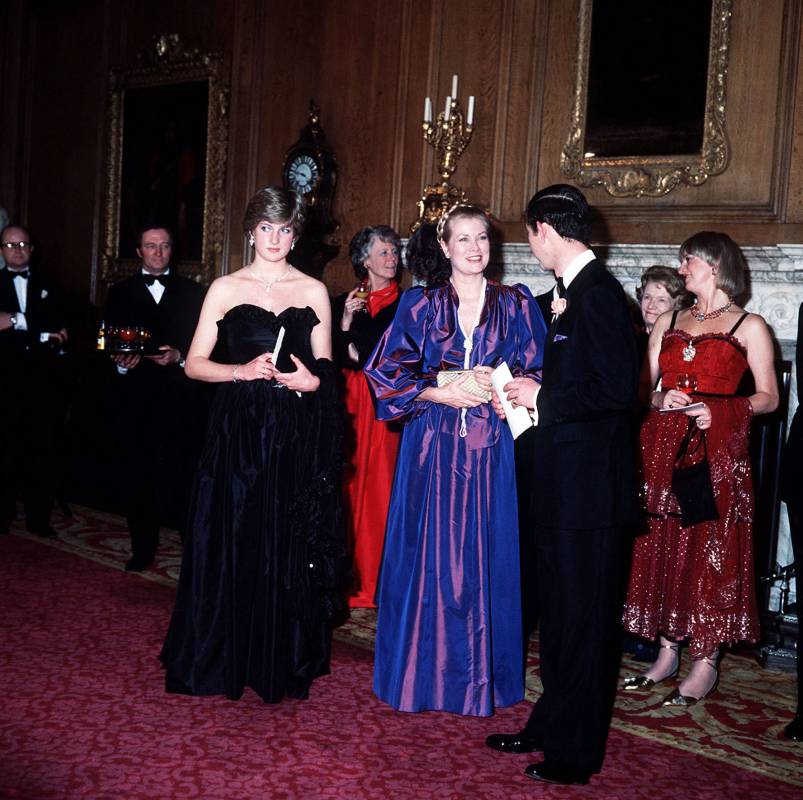
It was a line at once maternal, and just a touch mischievous, the knowing wisdom of one woman who had lived the fantasy the other was about to enter. Just a year later, Grace would pass away tragically in a car accident and Diana, in time, would inherit both her global adoration and her haunting vulnerability.
For a fleeting moment, though, Monaco’s own icon of grace and tragedy shared a single conversation, one princess at the threshold of fame, the other already wise to the every dimension of fame, its advantages and disadvantages.
A ROYAL AFFAIR WITH THE RIVIERA
Long before paparazzi and private jets, Monaco was already a magnet for Britain’s blue-blooded elite. The lure was irresistible: a dash of Mediterranean light, a whiff of scandal, and, above all, discretion.
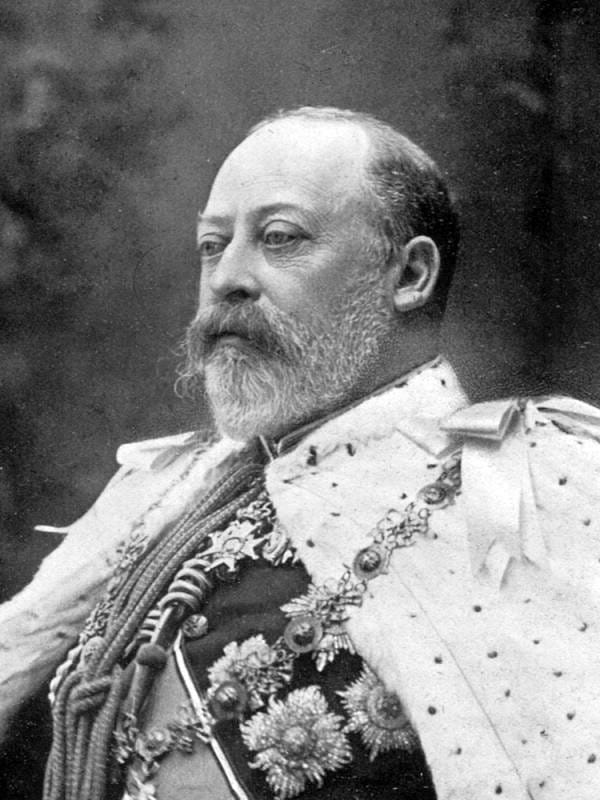
King Edward VII was among the first royal regulars. As Prince of Wales, “Bertie” adored the Riviera’s warmth and its roulette wheels, visiting Monte-Carlo regularly with a retinue of titled friends. The Grimaldis knew his presence lent their tiny principality enormous cachet; for Edward, Monaco offered the one thing Buckingham Palace never could … freedom.
Winston Churchill, too, was enchanted by the Rock. In the 1950s he stayed frequently at the Hôtel de Paris, painting seascapes and basking in the easy glamour that Princess Grace’s arrival would soon make legendary.
Crêpes for a Prince
Few desserts carry such a whiff of royal legend as Crêpes Suzette, that caramelised confection of orange, butter, sugar, and Grand Marnier, flambéed to theatrical perfection. And fittingly, its story, though sometimes disputed, begins with a British royal in Monaco.
In 1895, at the Café de Paris in Monte-Carlo, the young chef Henri Charpentier was preparing crêpes for the Prince of Wales — the future King Edward VII — who was dining with friends. In a moment of nervous clumsiness, the chef accidentally set the sauce aflame. The result, however, was divine. To save the situation, Charpentier presented it as a deliberate invention, naming it Crêpes Princesse in honour of one of the prince’s companions, a young lady called Suzette.
Spirits of Sovereignty
Where royalty gathers, fine drink is never far behind and Monaco has long been a favourite watering hole for the British crown and its courtiers.
When Edward VII wintered on the Riviera, the cellars of Monte-Carlo’s Hôtel de Paris were stocked with cognacs and ports favoured by the British set and imported from Britain’s own merchant houses in St James’s.
Edward was likely most fond of Hine Cognac and Perrier-Jouët Champagne, both of which later appeared at Grimaldi banquets. Hine (later a royal warrant holder) and Perrier-Jouët (a Victorian royal warrant holder) were among the maisons enjoyed by Britain’s high society on the Riviera. The Prince’s convivial charm and love of brandy soirées helped cement Monaco’s image as a cosmopolitan playground for Europe’s elite.
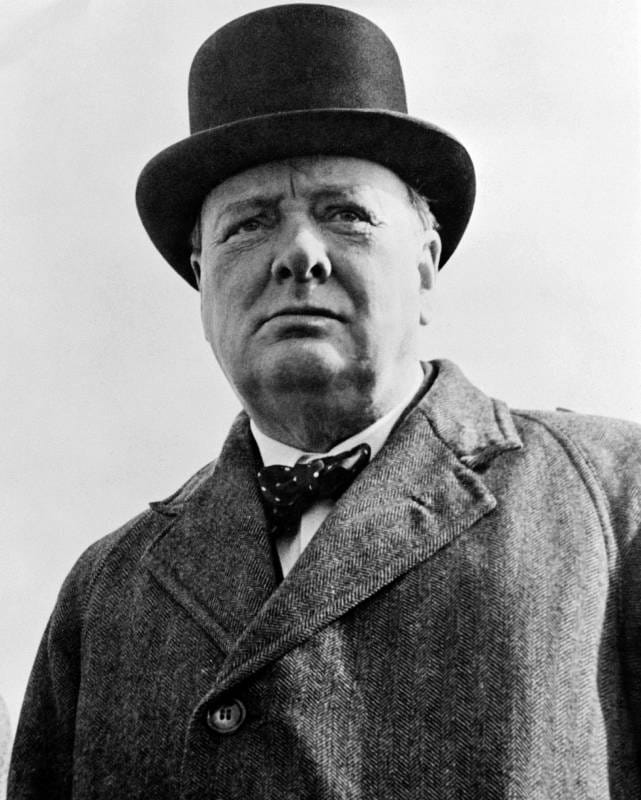
Decades later, Winston Churchill continued the tradition. A regular visitor to the Côte d’Azur, he would have been surely sipping Pol Roger Champagne, his favourite, at the Monte-Carlo Casino’s terrace, declaring that “A single glass of champagne imparts a feeling of exhilaration… A bottle produces a contrary effect…” Princess Grace’s circle adored the same Champagne house, an elegant nod to the British admirers of Monte-Carlo.