


Fifty-five years after a fire lit up the old casino and gave Deep Purple their most famous riff, Montreux let something new onto its stage. Expectations going in were modest. By the end of the weekend, the question on everyone’s mind was how fast this is all going to move.
Festivals built around a buzzword tend to announce themselves early — a familiar sponsor deck dressed up as an idea. AI.LOVE.JAZZ, on paper, looked like exactly that kind of showcase. It wasn’t.
A Room That Knows Something About Reinvention
Casino Barrière Montreux carries more history than its polished lobby lets on. It’s the building Frank Zappa was playing in December 1971 when a fire tore through the place and burned it to a shell — the very blaze that Deep Purple, watching from across the lake, turned into “Smoke on the Water.” The building came back, rebuilt and better sound-proofed, and has been hosting music ever since. There’s something fitting about a festival testing a genuinely new idea in a room that has already reinvented itself once. It gave the whole weekend a sense that this lake has seen change before, and turned out fine.



How The Contest Came Together
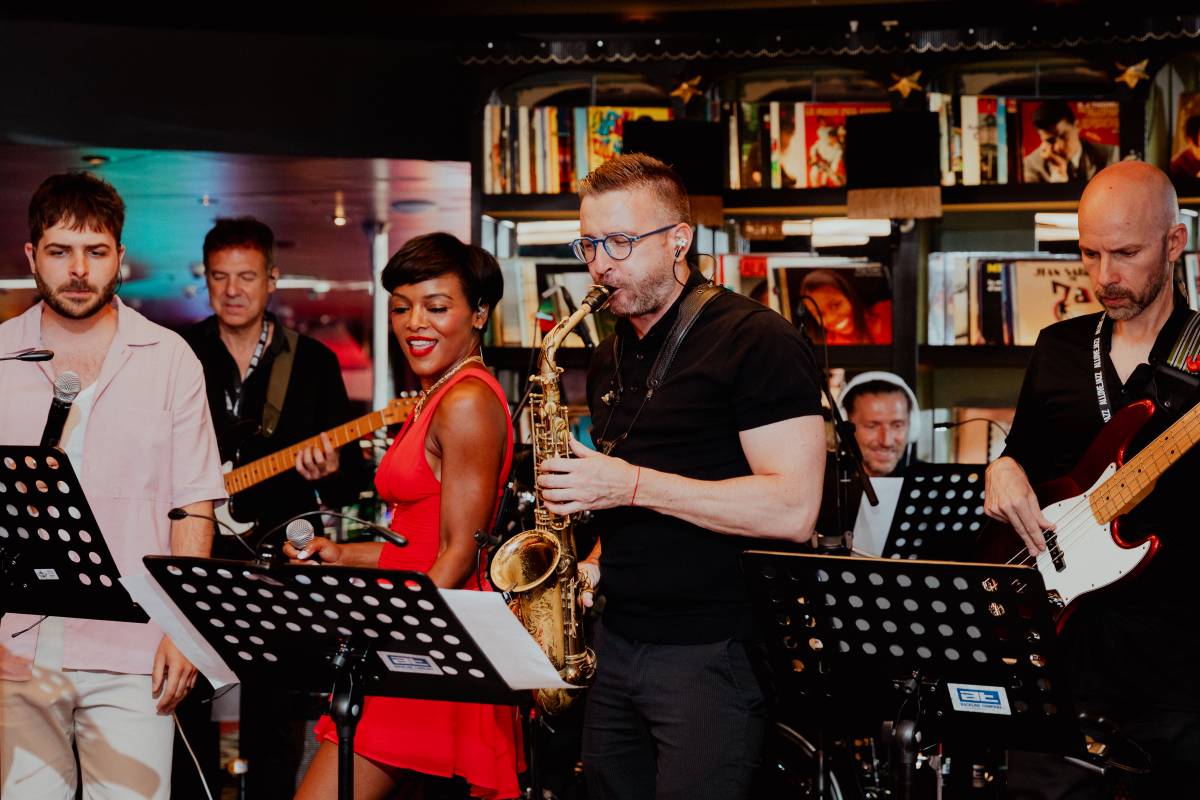
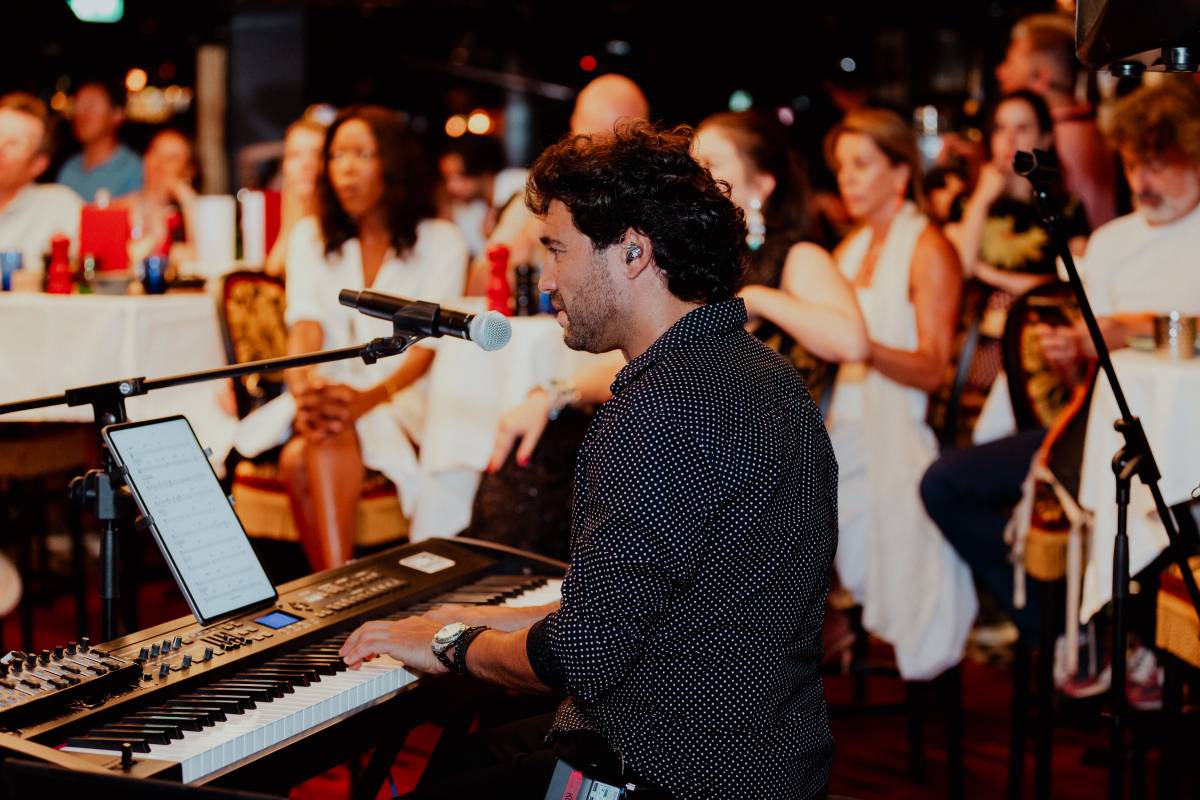
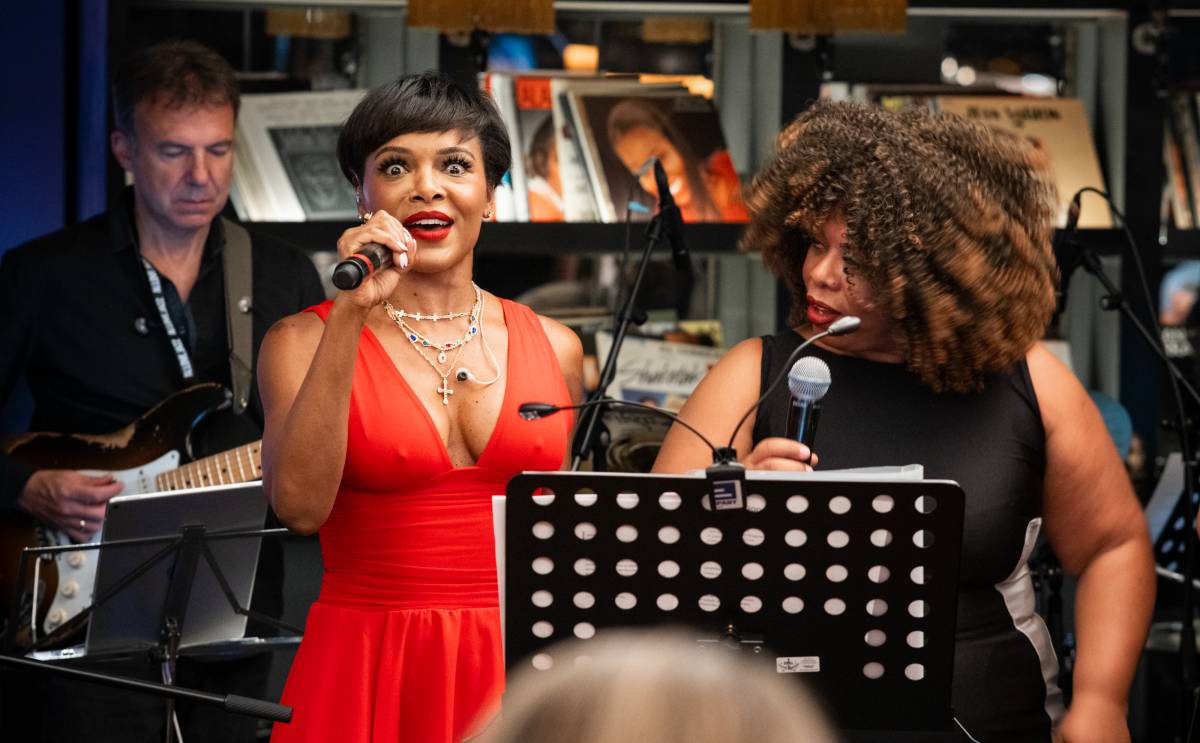
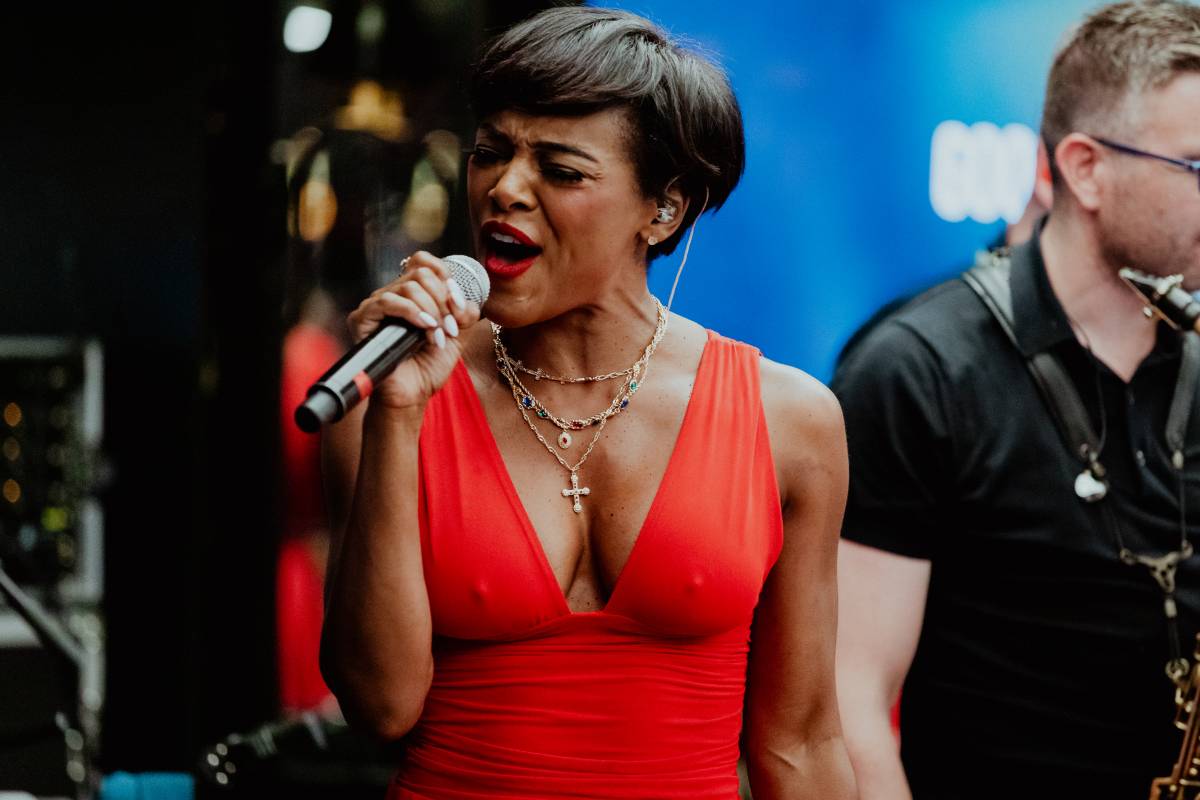
The setup: a two-month open call, worldwide, from April to mid-June, inviting anyone with a laptop and something to say to submit jazz, blues, funk, soul or melodic rock made with the help of generative AI tools. Fifteen finalists came through, from eight countries — South Korea, the United States, Spain, Brazil, Australia, Norway, Switzerland, Argentina — a genuinely global spread. The detail that stood out most: on the first night, a live jazz band performed the AI-assisted finalist tracks themselves, on real instruments, in the room. Watching musicians take something that started on a screen and turn it into a live performance was, for many in the audience, the highlight of the weekend.
“The period of the Wild West in AI music is gradually coming to an end… we are moving from experimentation into what I call the white zone — a space where creativity, innovation, fair competition, and compliance can coexist.”
— Ilya Volkov, co-founder, AI.LOVE.JAZZ
It’s a tidy phrase, but it held up on stage. Nothing about the evening suggested the machine was doing the work alone. Every track still carried a person’s taste through it — what to keep, what to cut, where the song should go. AI held the pen. A human decided where the story went.

Two Evenings by the Lake
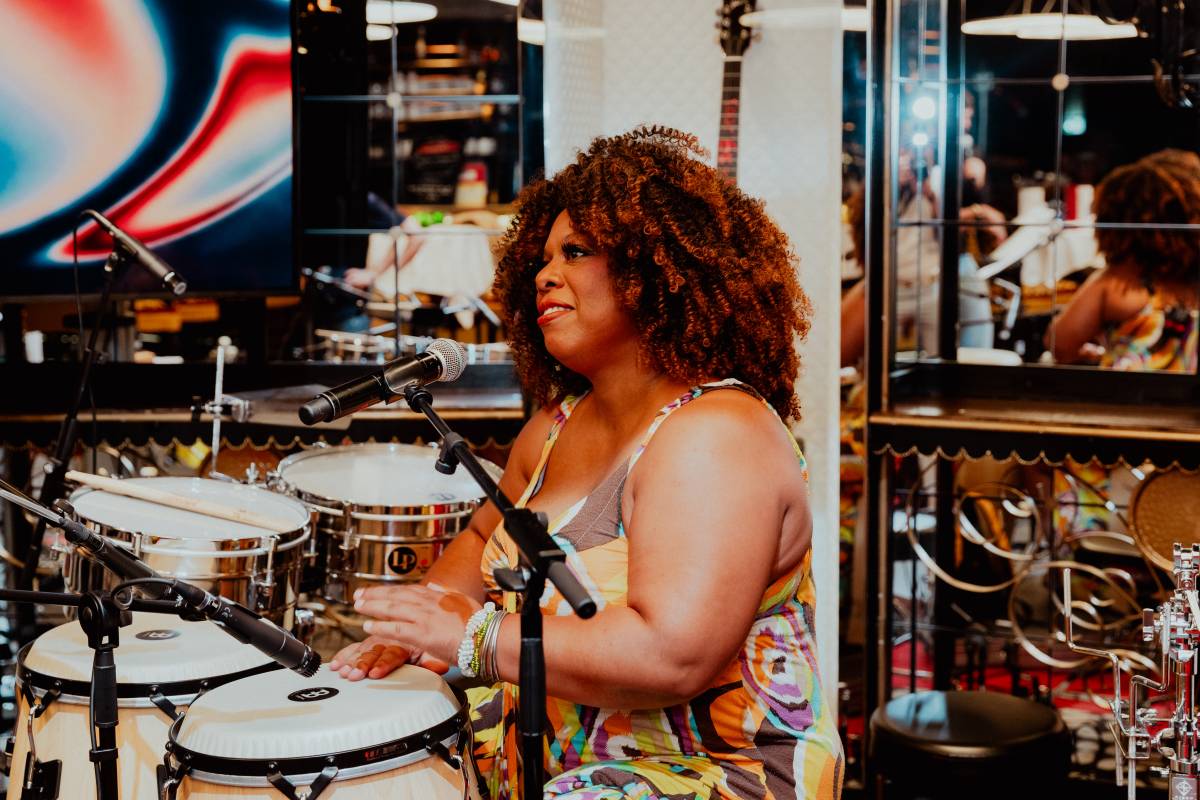
The rhythm matched the rest of the Montreux calendar — doors at five, show at eight. Night one, the semi-finals, opened with a VIP apéro, the kind of relaxed evening where conversation wandered easily between music people and tech people, each genuinely curious about the other’s world. Night two was the Grand Finale Gala: an awards ceremony, the year’s strongest tracks performed live, and a closing set from the Latin jazz outfit PATAX with percussionist Jorge Pérez, who sent the crowd out onto the lakefront in a good mood.
The People Doing The Judging
- Oscar Gómez (Spain) — Five-time Grammy-winning producer and songwriter; credits include Celia Cruz, Ricky Martin and Enrique Iglesias.
- MoneOnDaBeat (USA) — Producer, filmmaker and entrepreneur working at the intersection of music, culture and technology.
- Jieun Park (South Korea) — CEO of Pulse9, creator of IITERNITI, a fully virtual K-pop act that’s been headlining real stages since 2021.
Park offered the line of the night: “the last seat at the table belongs to the audience, not the jury.” Said with real conviction — from someone who has spent years thinking about where creative authority actually sits when a machine is involved.
The Backers
Behind the event: the Crypto Valley Association, Innovaud, and — as title sponsor — YouHodler, a Swiss-regulated crypto platform whose CEO and AI.LOVE.JAZZ co-founder, Ilya Volkov, framed it simply: “adoption happens when technology becomes useful, accessible and trusted.” He’s watched that pattern play out in finance. In Montreux, it was playing out in music, and by the end of the night, few in the room seemed inclined to argue with him.
The Numbers, For The Record
- 60,000 — AI-generated tracks uploaded to streaming platforms, daily
- $2.6–6.6bn — Estimated value of the AI music market, 2025
- 65–85% — Music producers who say they now use AI tools
- 24/7 — AI.LOVE.JAZZ Radio, broadcasting since March 2026
Numbers like that have a way of sneaking up on a room. This isn’t a niche experiment anymore — it’s already woven into how a majority of producers work.
Who Came Out On Top
The story of the winner turned out to be two stories, both worth telling. One centers on Yong Ho-seong — a former vice minister at South Korea’s Ministry of Culture, Sports and Tourism, a lifelong drummer and music critic, who used his retirement to study AI composition and write “Frozen Edge,” a heartbreak ballad loosely built on Shakespeare’s 97th sonnet. “Thanks to AI, I was able to start a new music career,” he said afterward — the kind of late-life reinvention that rarely gets told this well. The other unfolded in a parallel global fan vote, where South Korea’s Thrivilo (“Rain in Cuba”) and Argentina’s Ratroders (“Astra Inclinant, Sed Non Obligant”) stayed separated, deep into the voting window, by just four-tenths of one percentage point. Two very different ways of deciding a winner, running side by side — proof that nobody’s fully settled yet on how these things should be judged. If anything, that made the whole event feel more alive.
What It Leaves Behind
Skepticism was the natural starting point for most who walked into Casino Barrière that weekend. Curiosity is what most walked out with instead. The music held up. The musicians on stage were real, invested, clearly enjoying themselves. The audience leaned in rather than checked their phones. None of it felt like a novelty act passing through town — it felt like the early stage of something that’s going to keep growing, and probably faster than most expect.
What comes next is the interesting question. Another year, more countries, sharper songwriting, a jury and an audience still figuring out how to agree — nobody left Montreux with a clear picture of what next July looks like. But there was little doubt many would be back to find out.
By Alex Chapsky for HelloMonaco