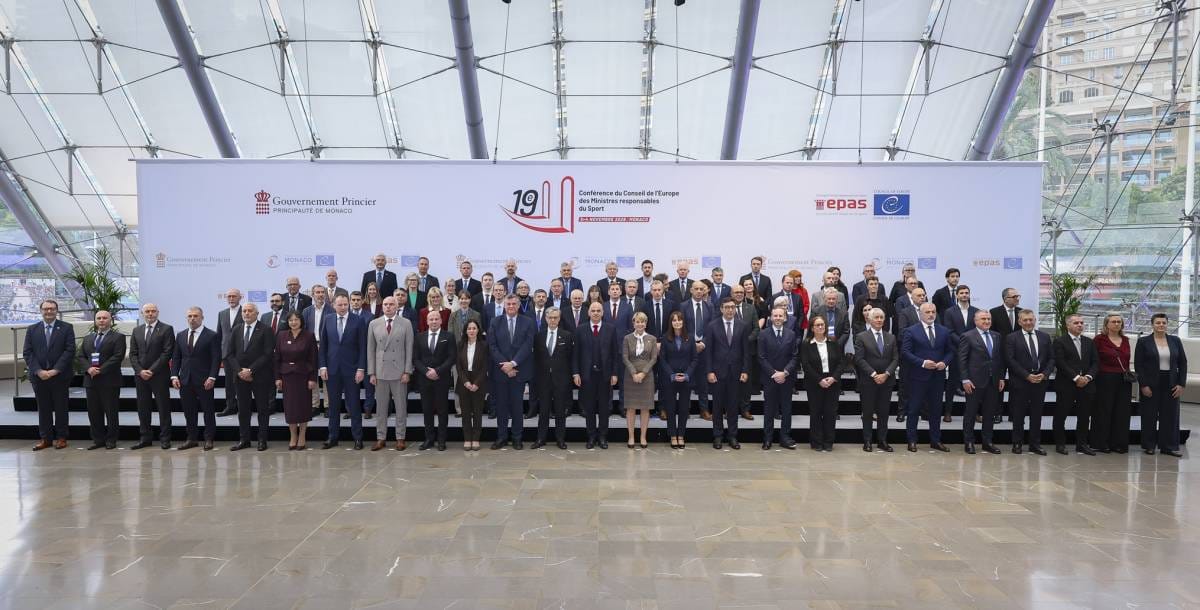


Before the medals, the records and the podium photographs comes something far more fundamental: a child who should feel safe, supported and happy to take part. That principle brought nearly 300 participants to Monaco as the Principality hosted the 19th Council of Europe Conference of Ministers responsible for Sport. At the Grimaldi Forum on Wednesday 4 November, government representatives, international sporting organisations and experts gathered around a shared ambition: “Safer and healthier sport for all children”.
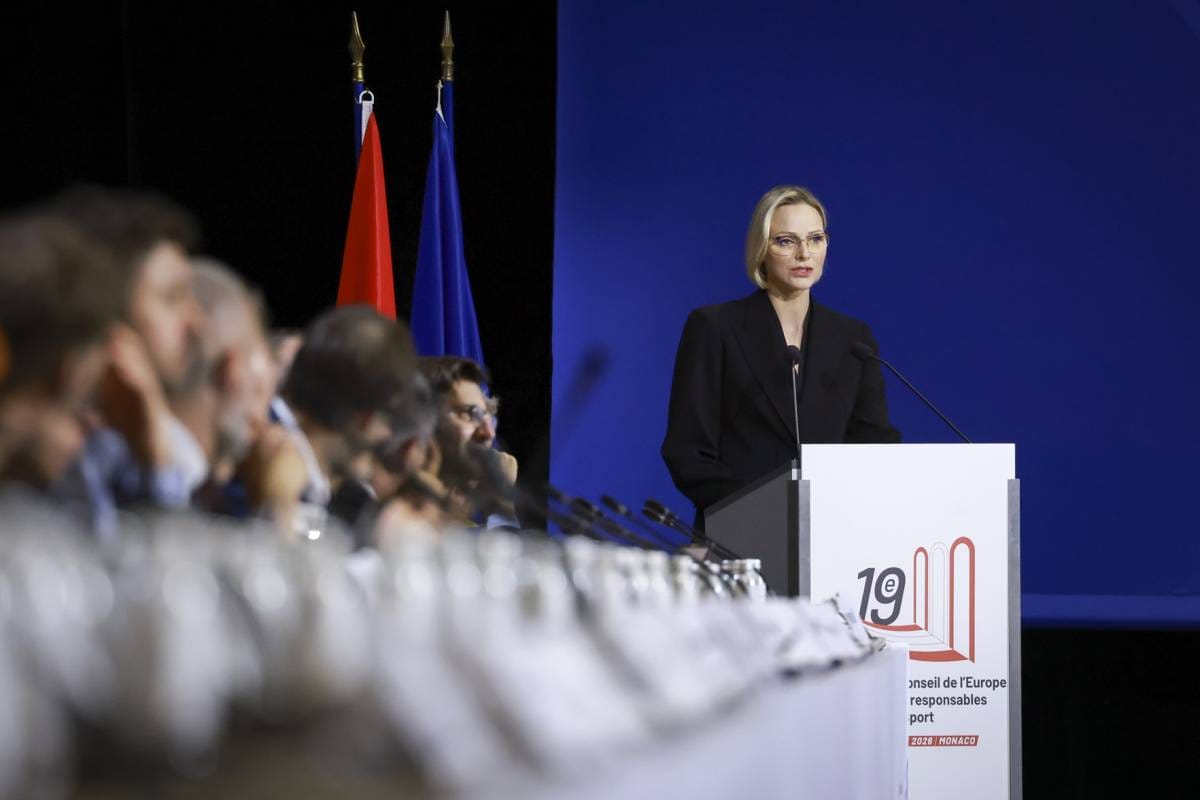
For a country where sport occupies such a prominent place in public life, the occasion carried a particular resonance. With H.S.H. Prince Albert II opening the proceedings and H.S.H. Princess Charlène introducing the afternoon session, Monaco placed the protection of young athletes at the centre of an international conversation.
Protecting the promise of sport
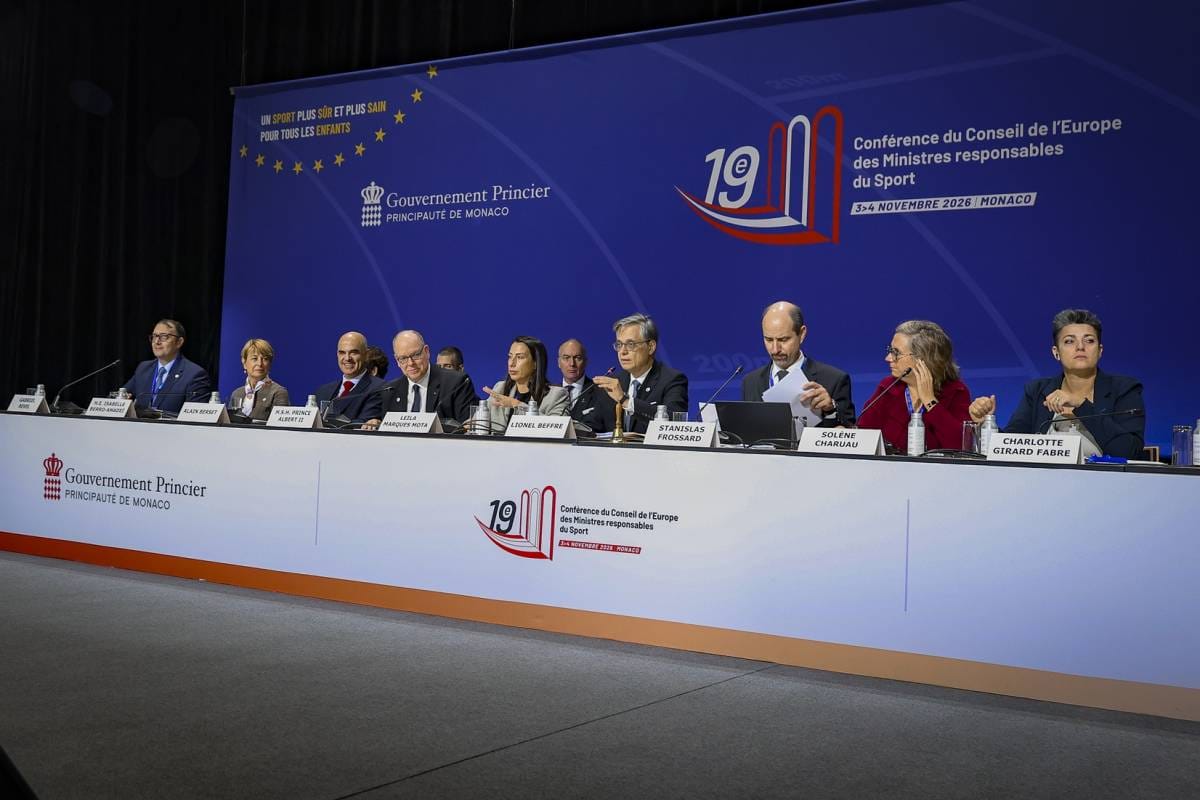
Sport can teach children to persevere, work together and discover abilities they never knew they possessed. But those benefits depend on the environment adults create around them. Chaired by Monaco’s Minister of the Interior, Lionel Beffre, the conference addressed two closely connected priorities: preventing and combating violence and abuse, and protecting children’s physical and mental wellbeing.
The opening addresses were delivered by Prince Albert II, Council of Europe Secretary General Alain Berset and Leila Marques Mota, First Vice-President of the International Paralympic Committee. In his remarks, the Sovereign highlighted sport’s ability to bring people together, encourage dialogue and transmit values of respect, solidarity and personal endeavour. Preserving that power, he emphasised, means ensuring that every child can participate in surroundings built on safety and trust. It was a reminder that the values celebrated at major competitions must also shape the everyday experience of a young person arriving at training.
The pleasure of playing
Princess Charlène’s contribution brought the discussion back to the child’s own experience. Introducing the afternoon session, she underlined sport’s importance in children’s personal and social development, while stressing that their health, wellbeing and enjoyment must take precedence over the pursuit of performance. Her message also addressed a vital question: are children being heard?
Giving young people a voice, listening to their concerns and ensuring they receive support are essential parts of protecting them. A sporting environment cannot be judged solely by results; it must also be judged by how its youngest participants feel within it. Caroline Mohr, an athlete and Peace Ambassador for the Princess Charlène of Monaco Foundation, contributed to a panel examining how commitments can translate into practical improvements.
From conference rooms to sports clubs
The Council of Europe’s account of the meeting identifies several practical measures discussed: codes of conduct, safer recruitment, adult training and clear responsibilities for protecting children. Accessible reporting channels and prompt, independent responses to concerns also featured prominently. The health agenda extended to injuries, concussion, overtraining, doping and excessive pressure to perform. Delegations also considered barriers that can prevent children from participating, including poverty, disability and geographical isolation.
The conference concluded with the adoption of a resolution, moving the discussion towards implementation in sporting organisations and local structures. These are questions whose answers ultimately matter far beyond a ministerial gathering. They shape what happens beside a swimming pool, on a football pitch or during an ordinary evening’s training.
A Monaco commitment with wider reach
Organised through the Council of Europe’s Enlarged Partial Agreement on Sport, the conference formed part of Monaco’s presidency of the organisation’s Committee of Ministers. It was the final major event hosted in the Principality during that presidency, giving youth protection a prominent place in its closing programme.
The wider gathering also marked the tenth anniversary of the Saint-Denis Convention on safety, security and service at sporting events, with the dedicated event that took place on 3 November. For Monaco, the central message was clear: encouraging children to take up sport brings a responsibility to protect the experience that follows.
Success may one day be measured in trophies. It begins with children who feel safe enough to participate, confident enough to speak and happy enough to return.