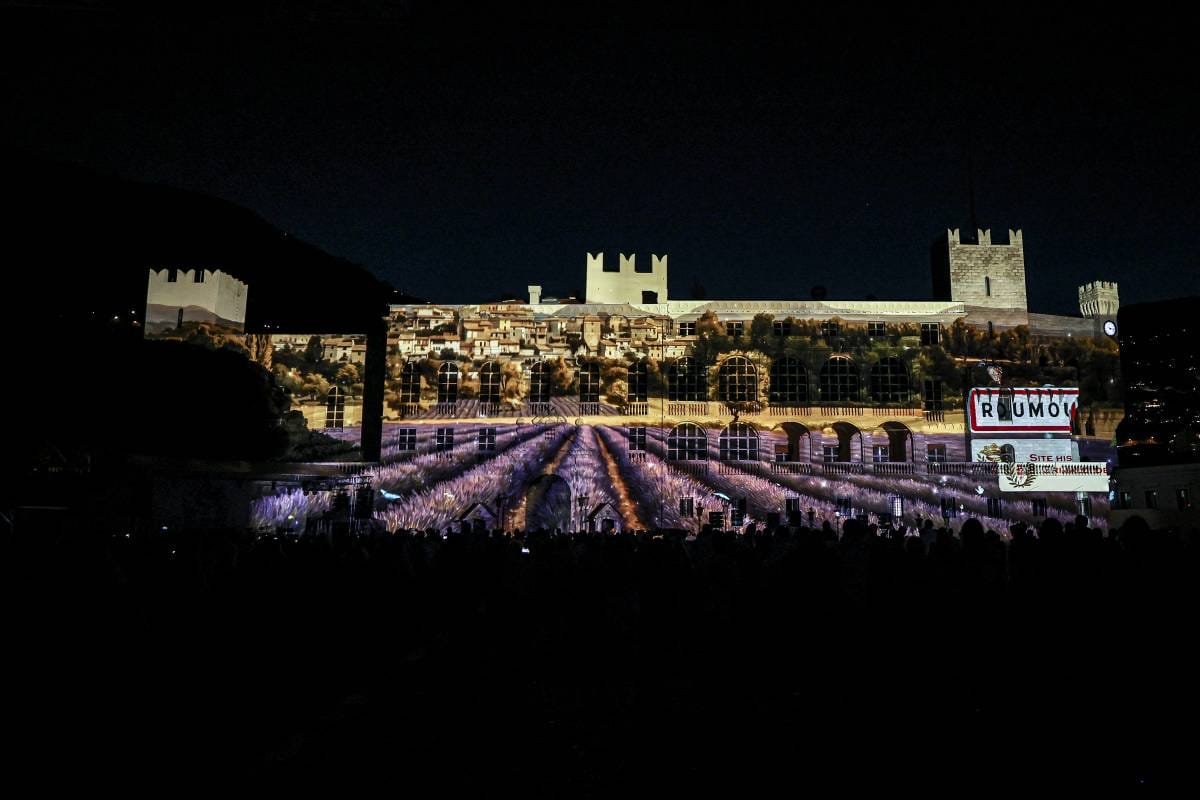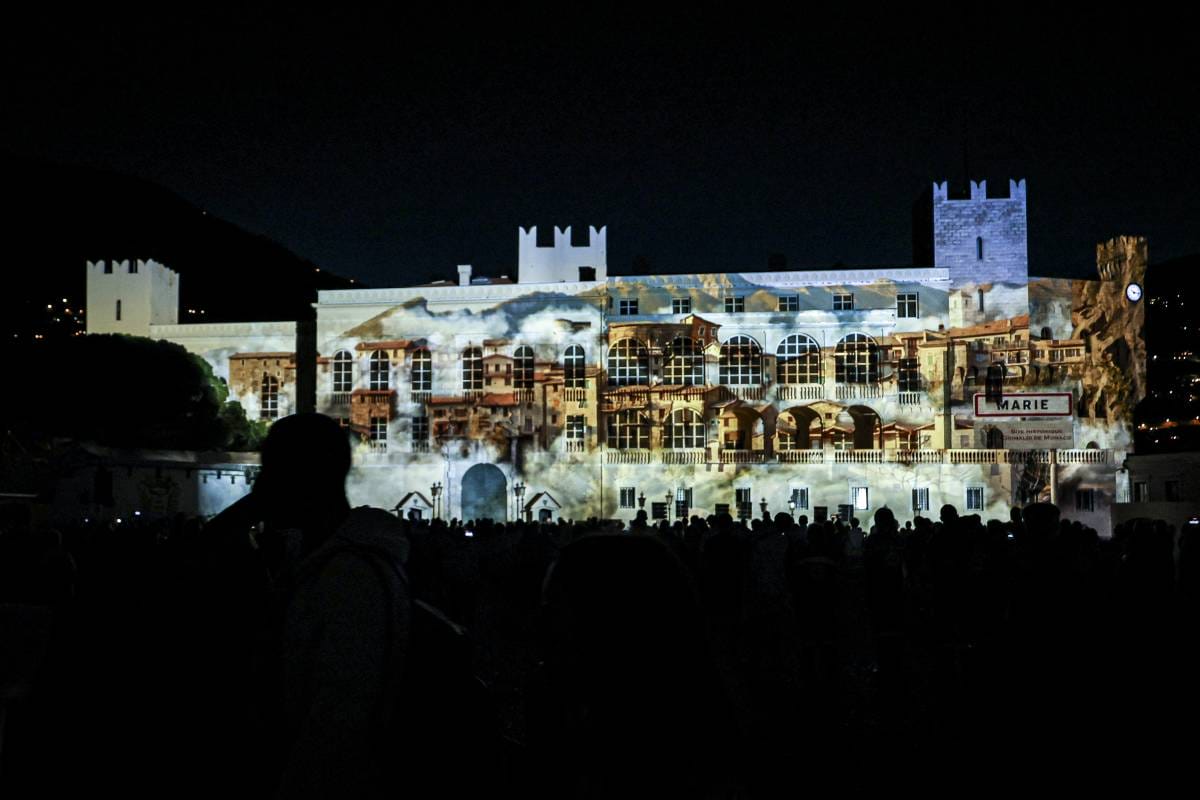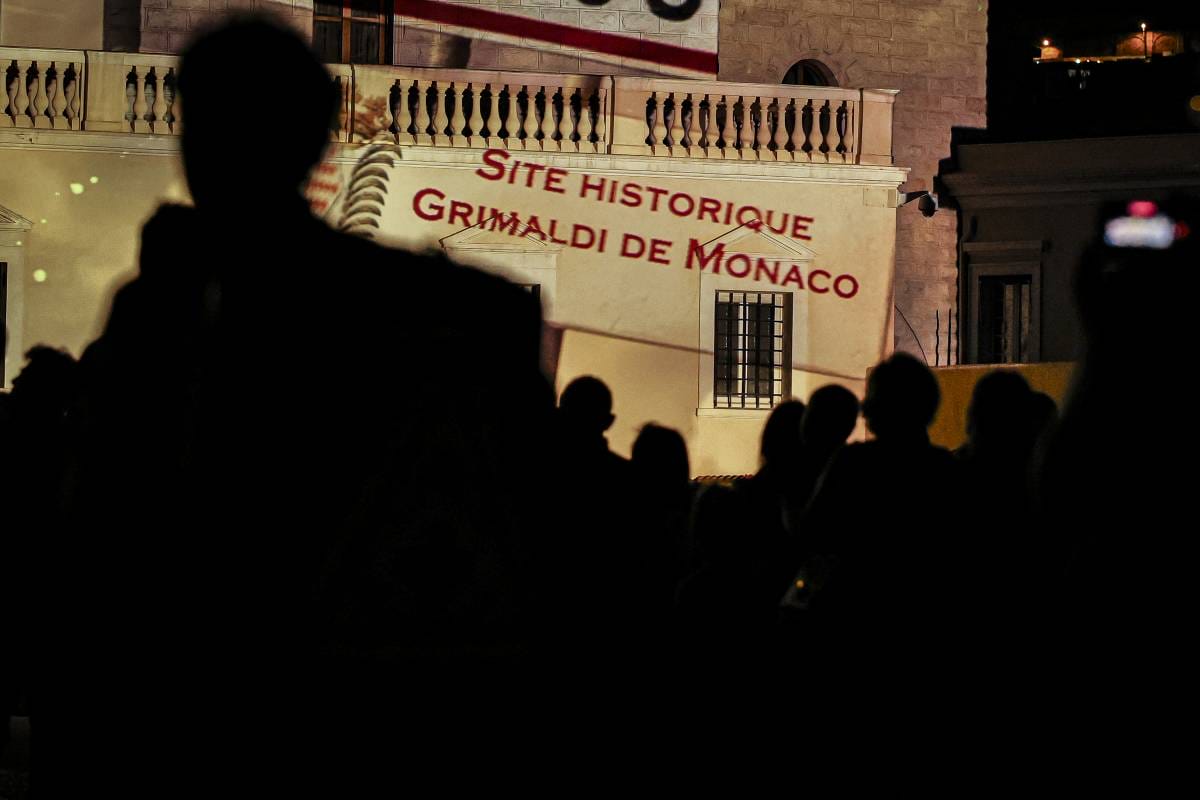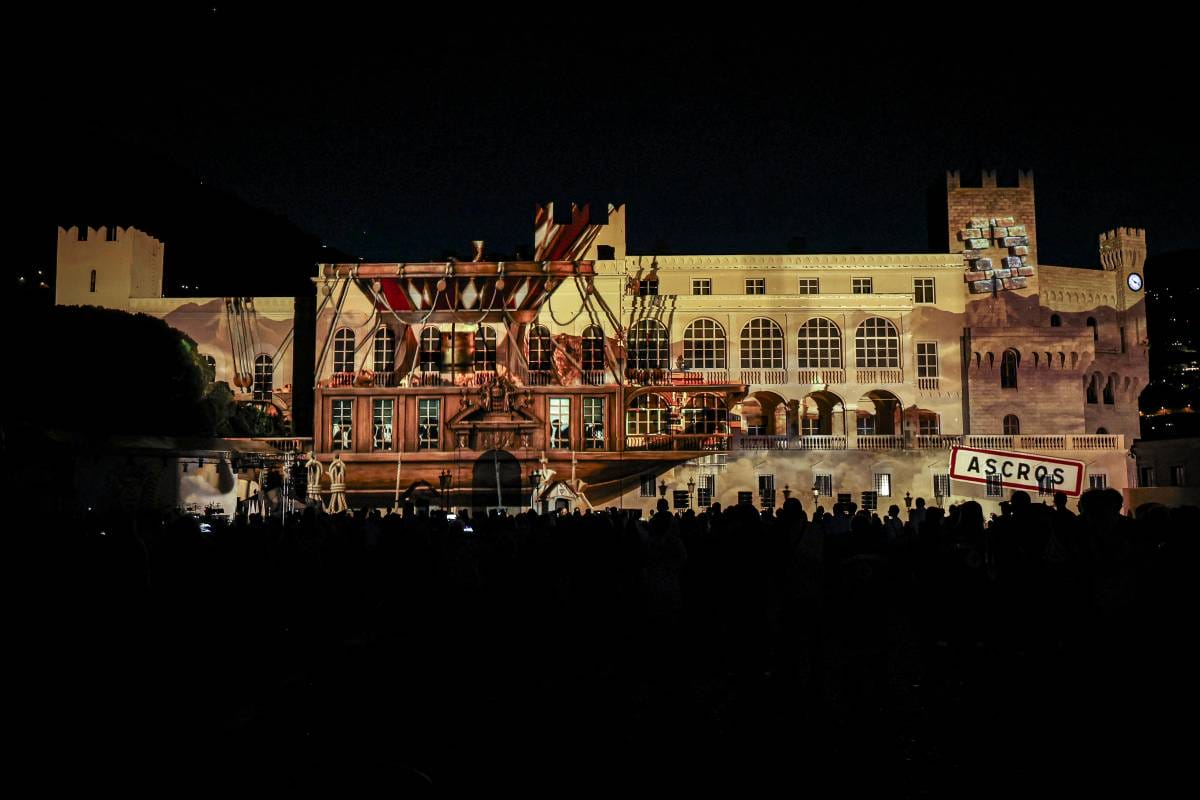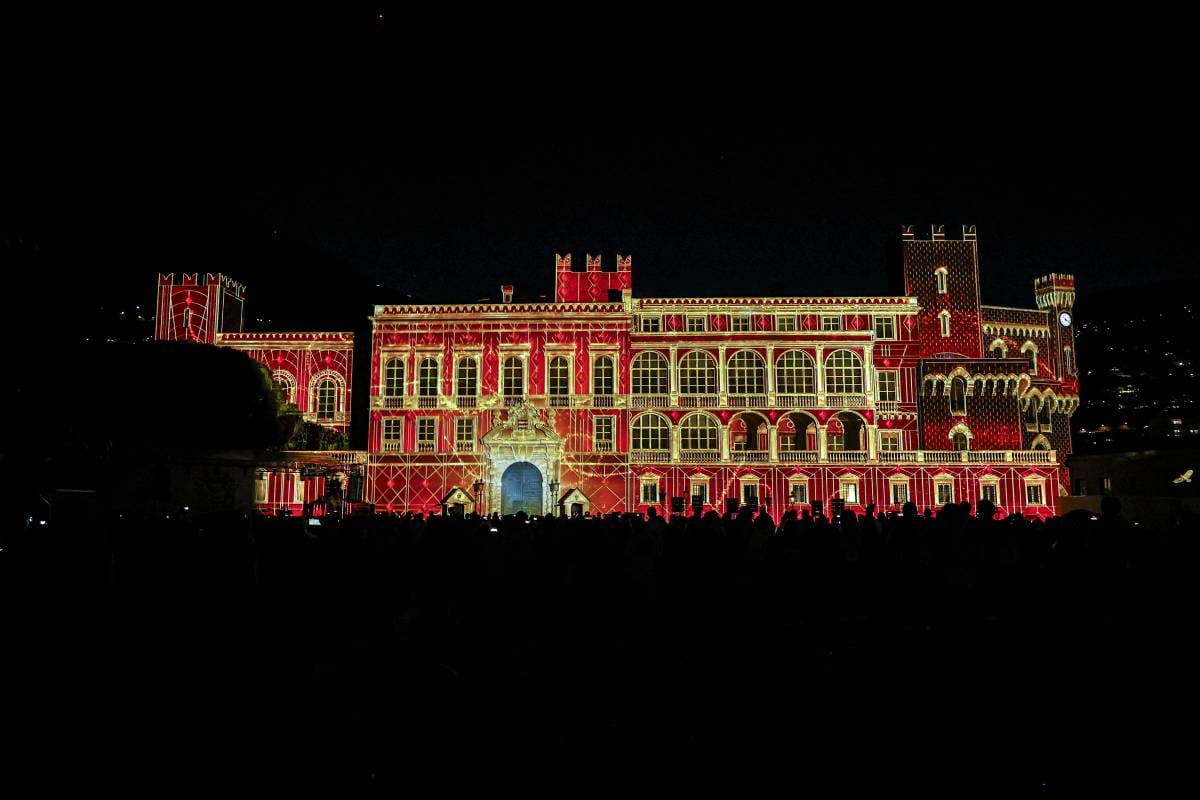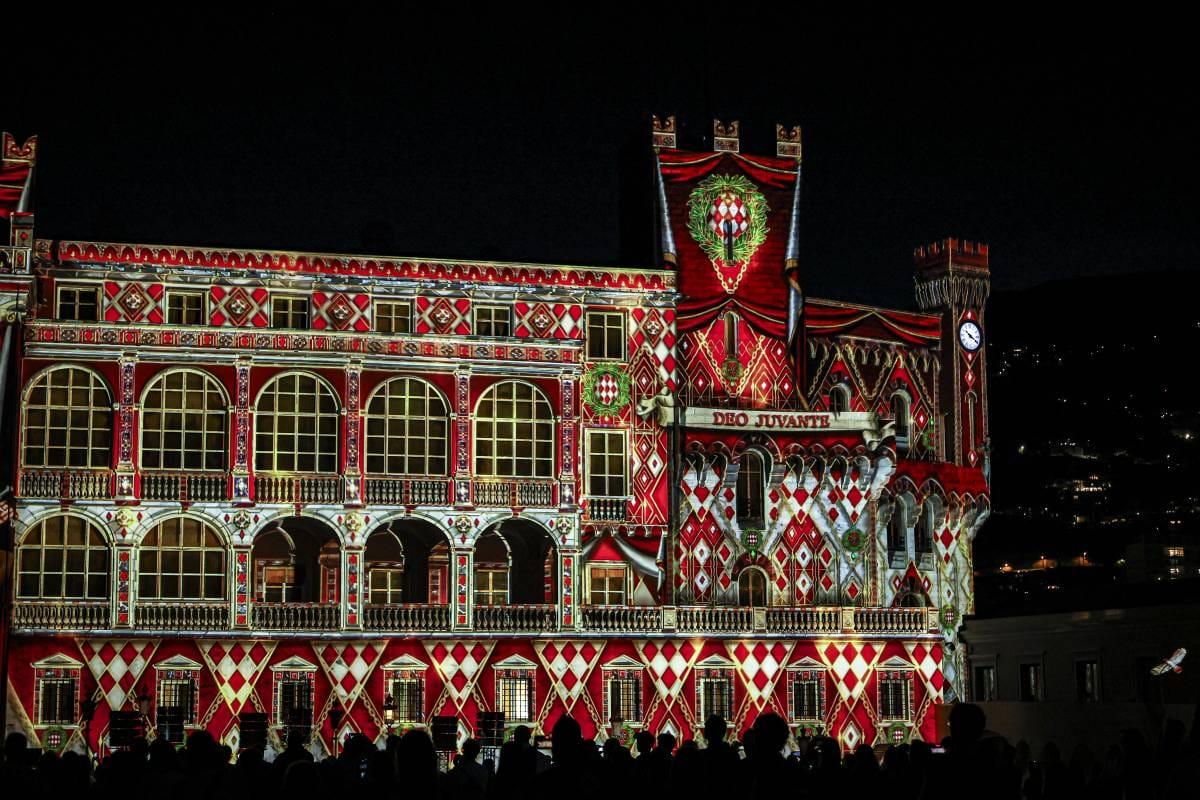


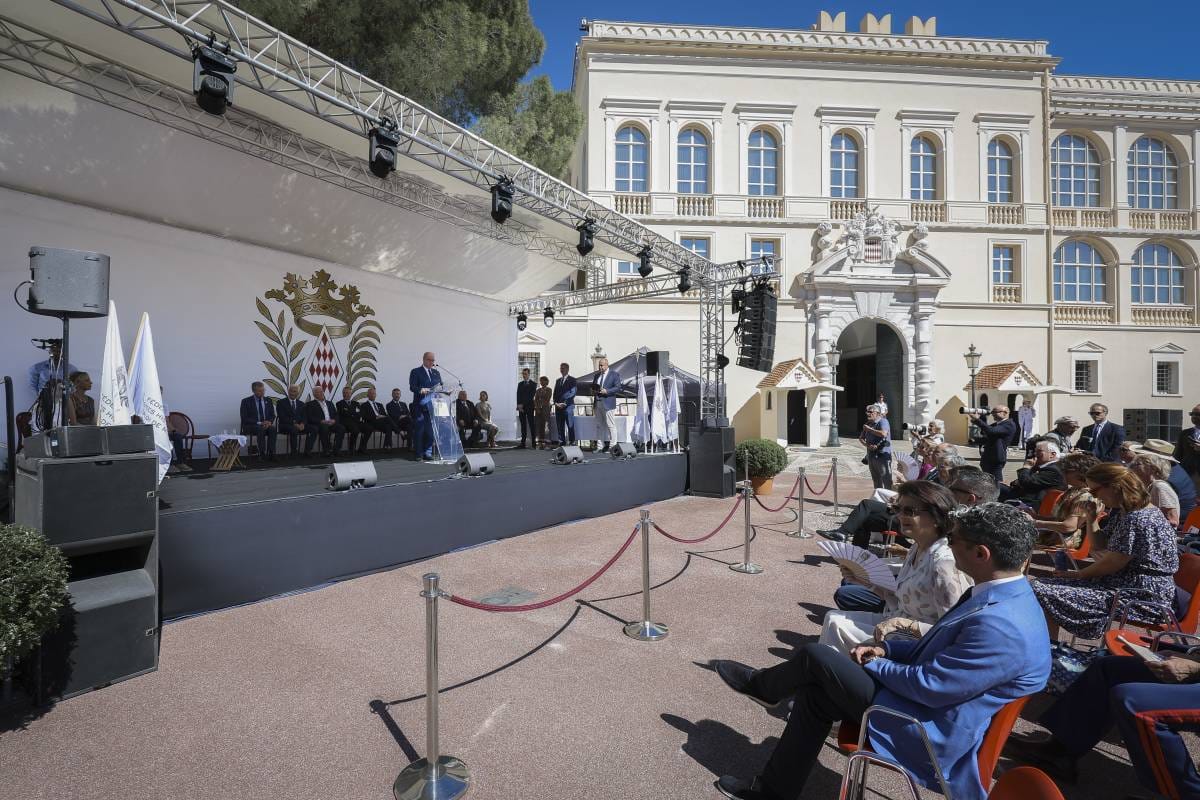
For at least one special weekend each year, Monaco’s Palace Square undergoes a transformation and something unusual happens. History leaves the archives and takes a seat at the market table.
The seventh edition of the Rencontre des Sites Historiques Grimaldi de Monaco has once again brought together communities whose stories are intertwined with the centuries-old Grimaldi dynasty. What began as a cultural initiative has evolved into one of the Principality’s most distinctive celebrations, a gathering where genealogy meets gastronomy, diplomacy meets craftsmanship, and centuries of shared history are expressed through cheese, lavender, textiles, and conversation.
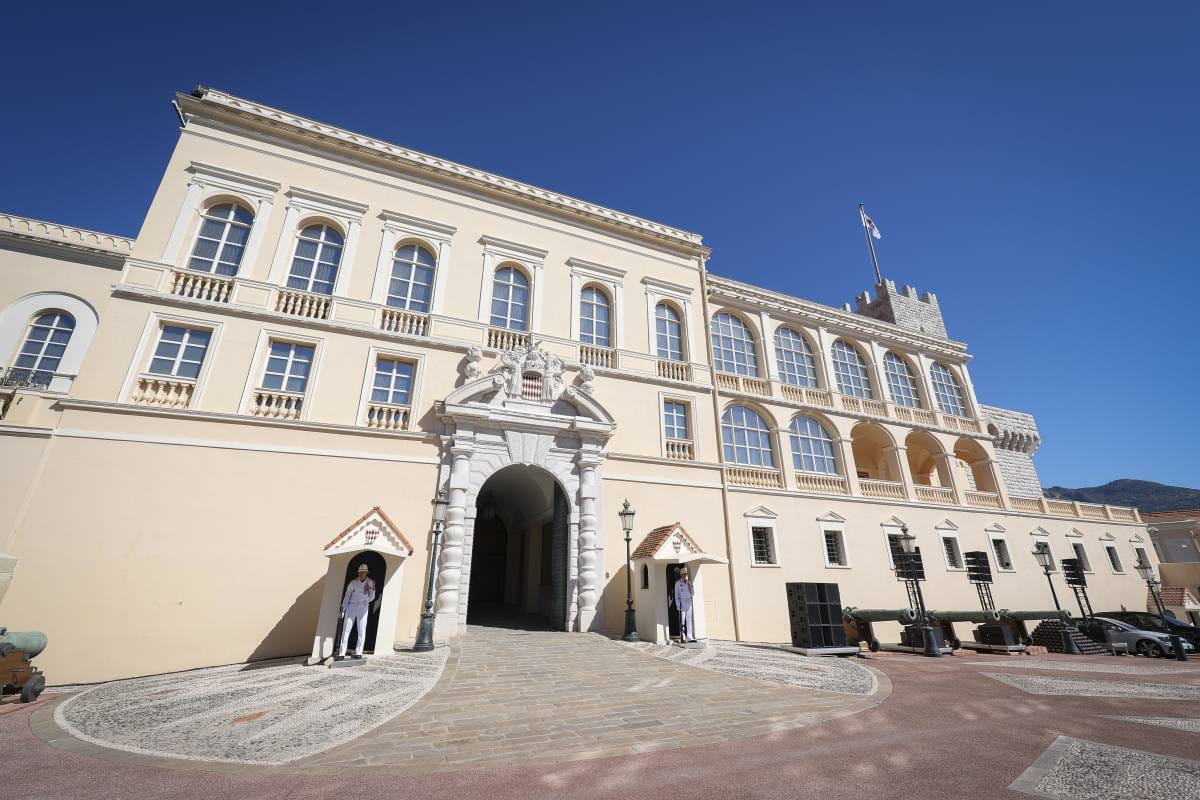
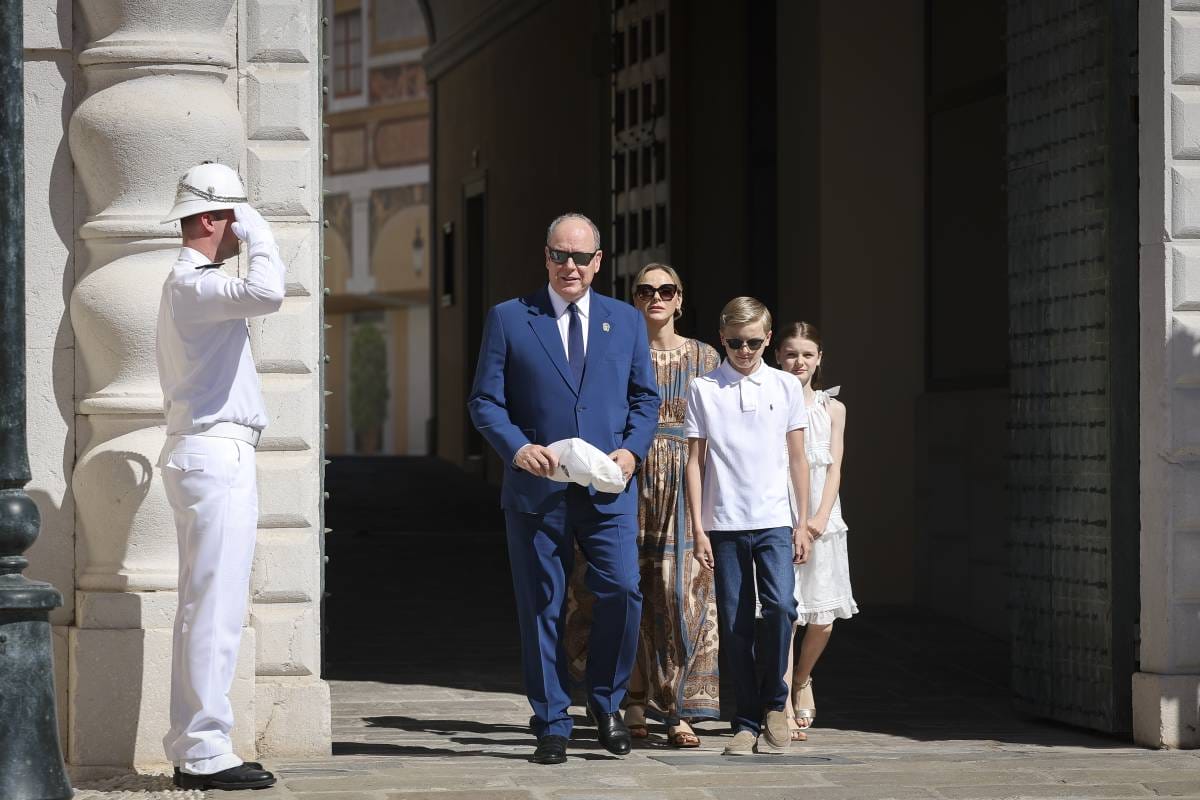
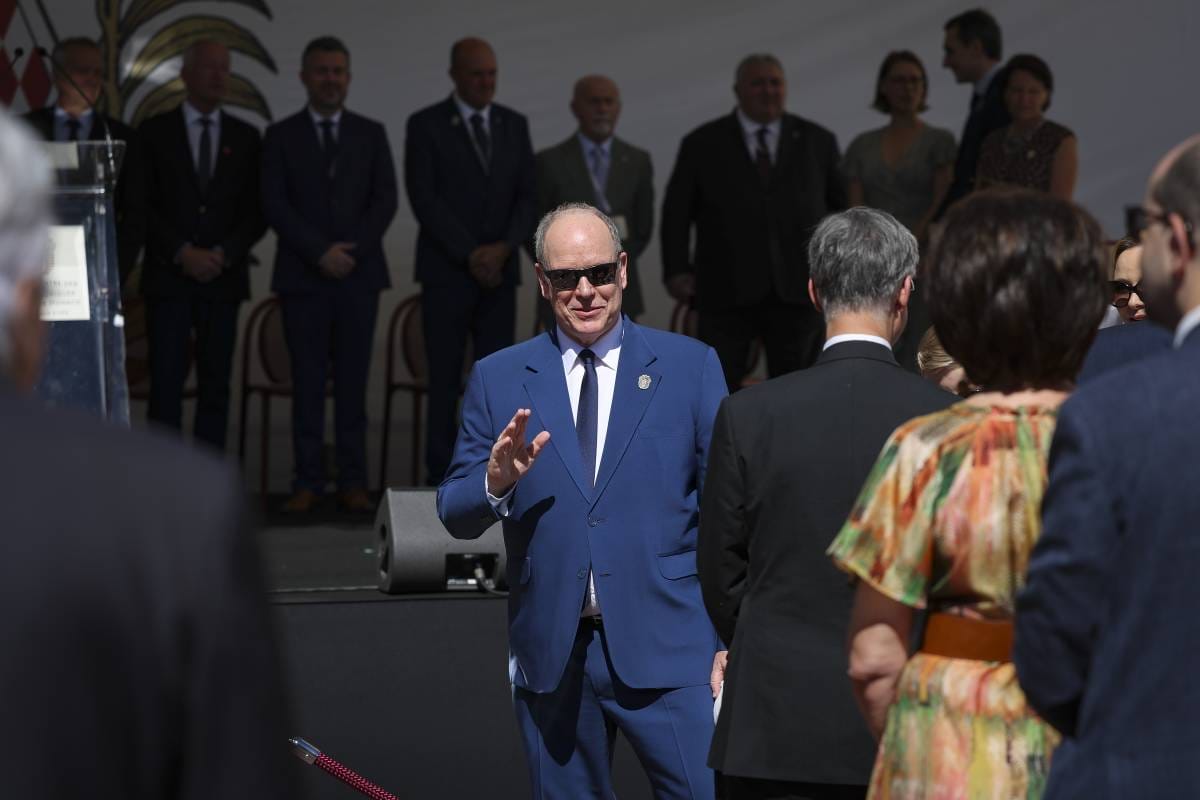
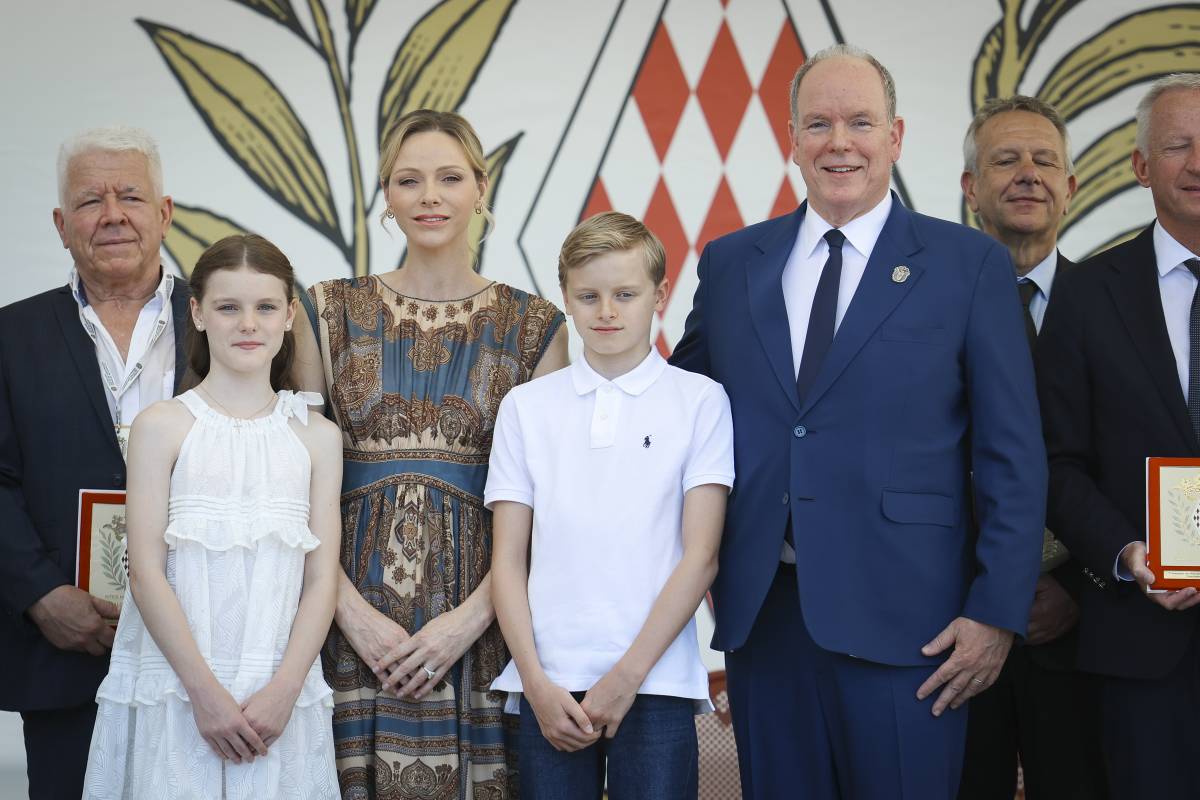
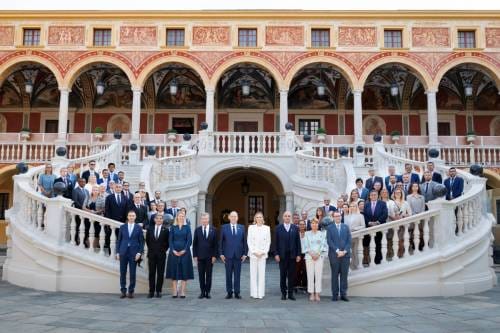
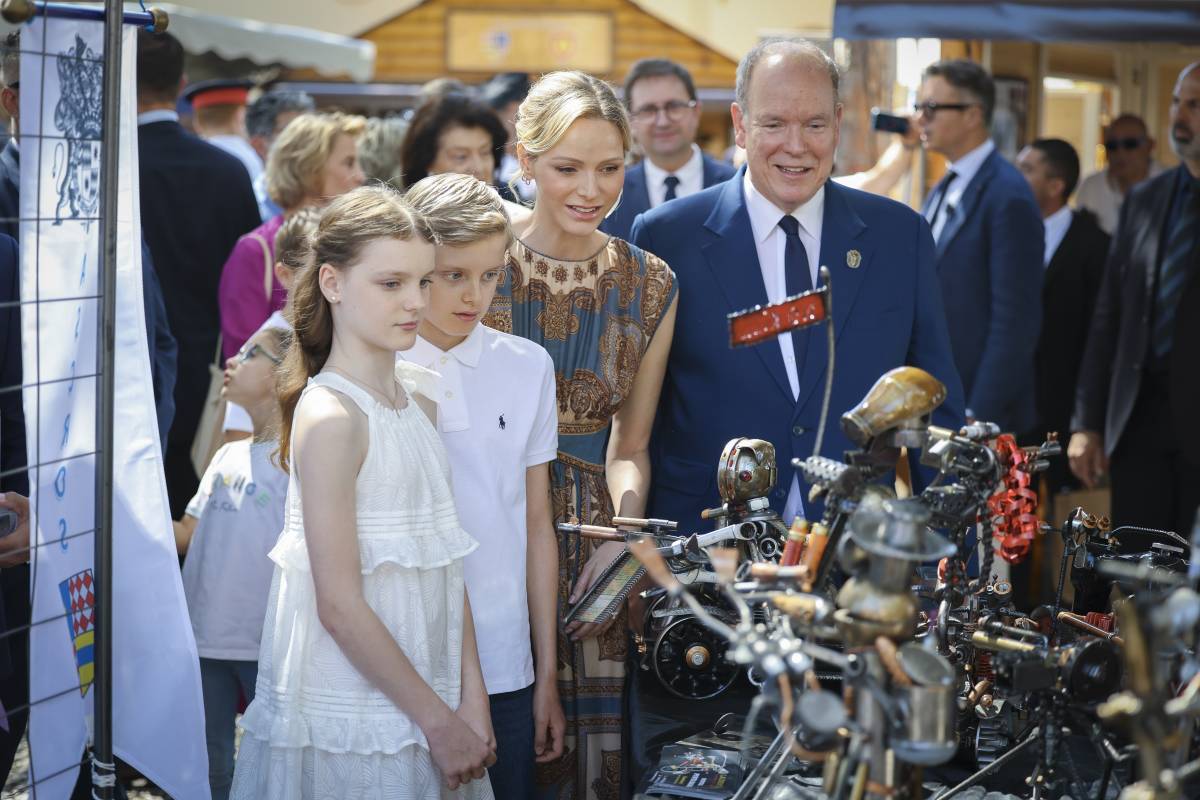
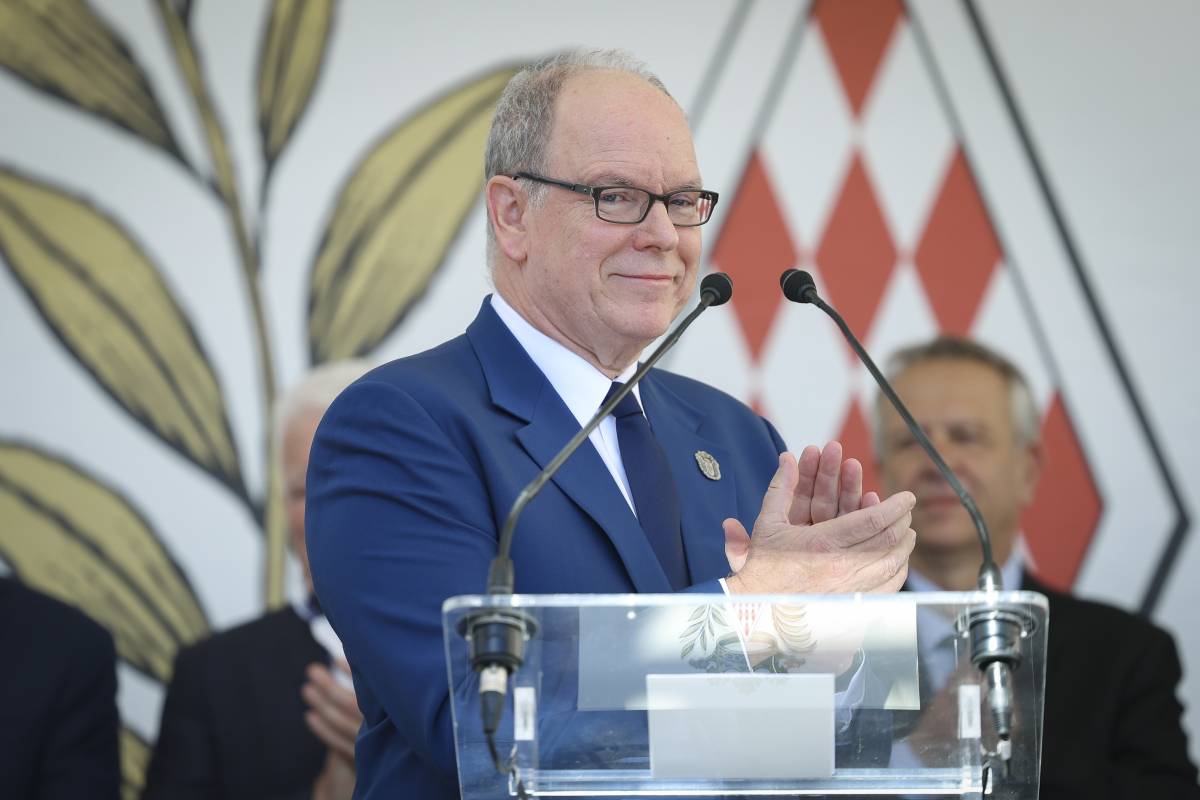
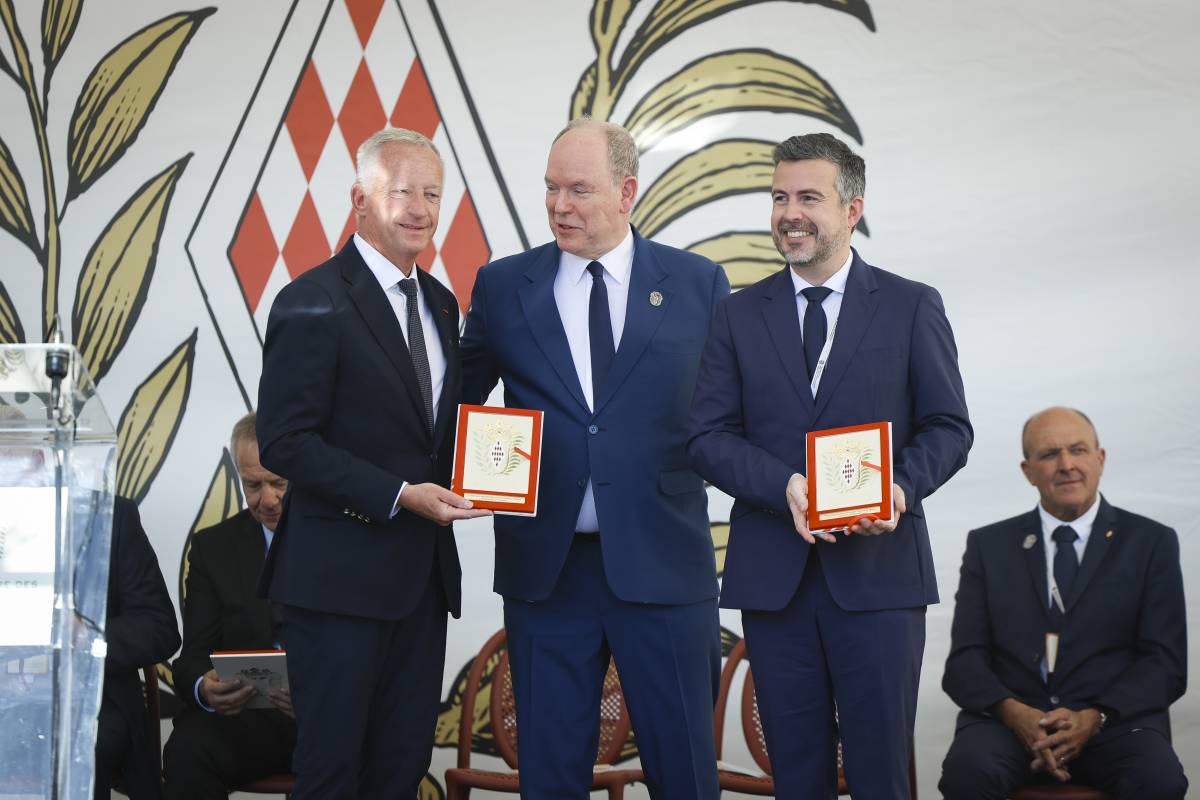
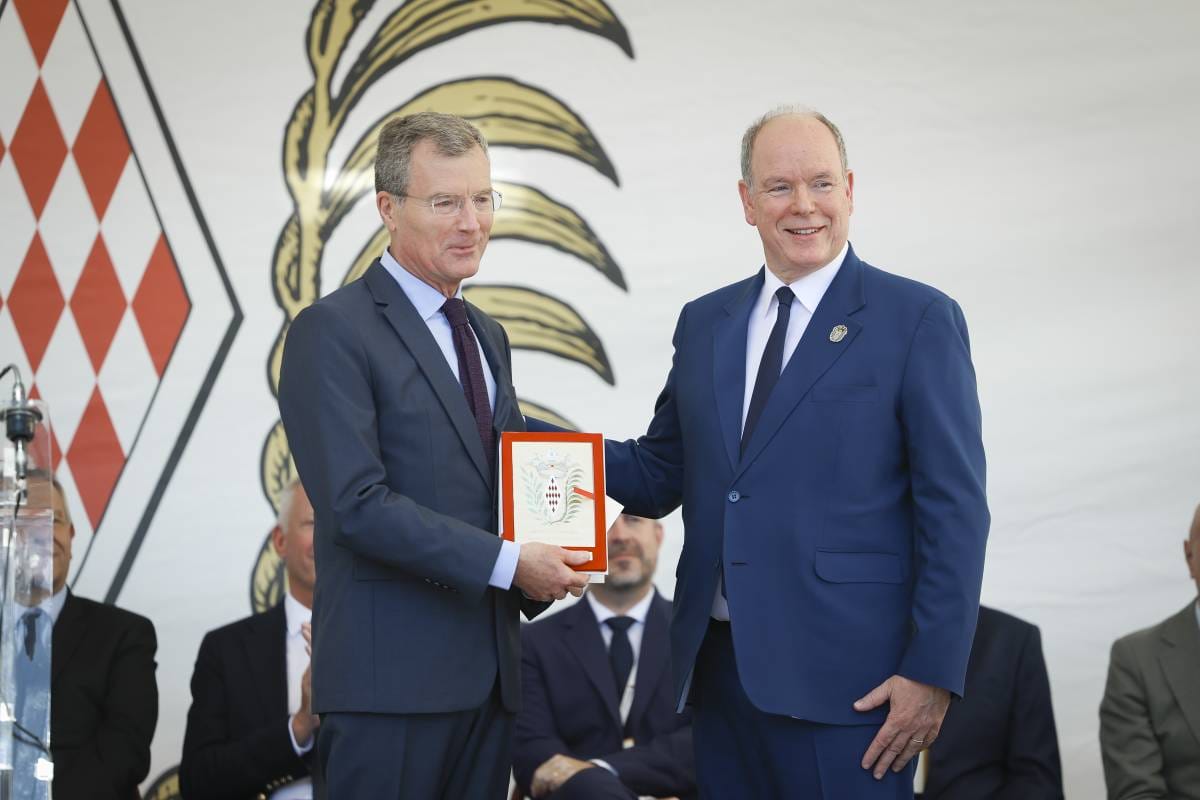
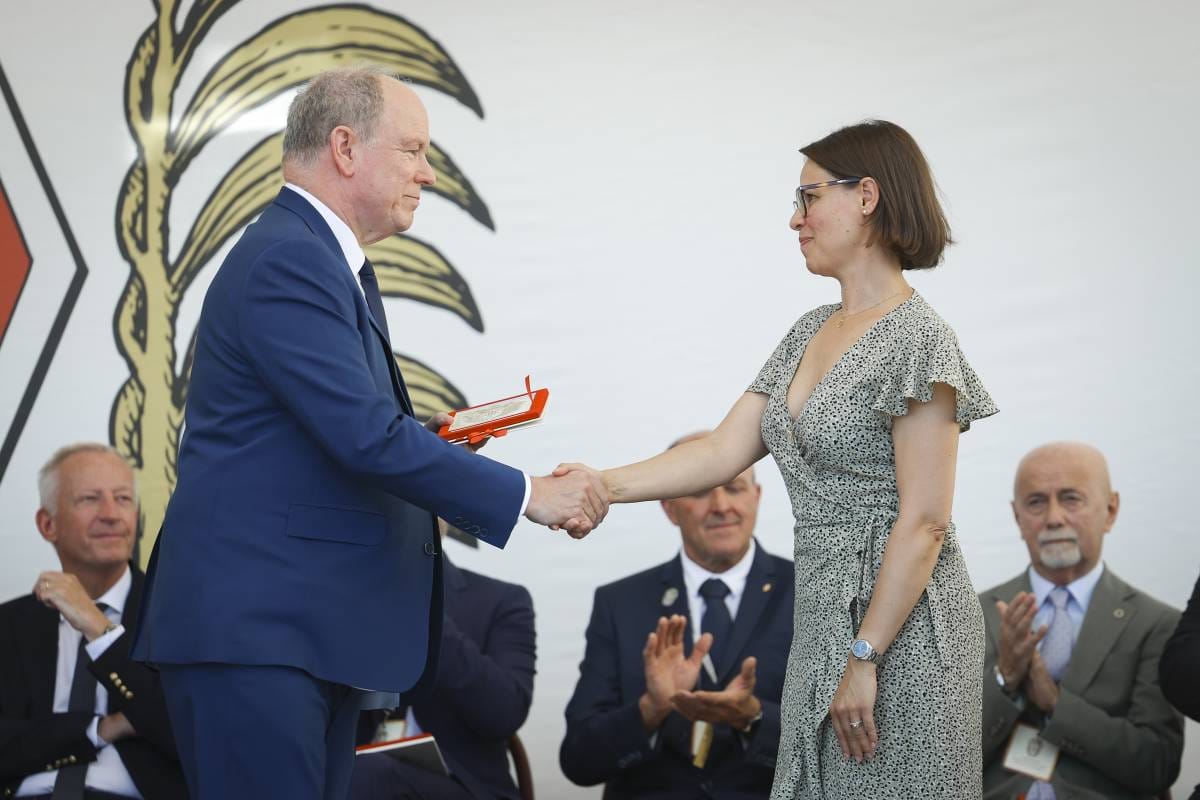
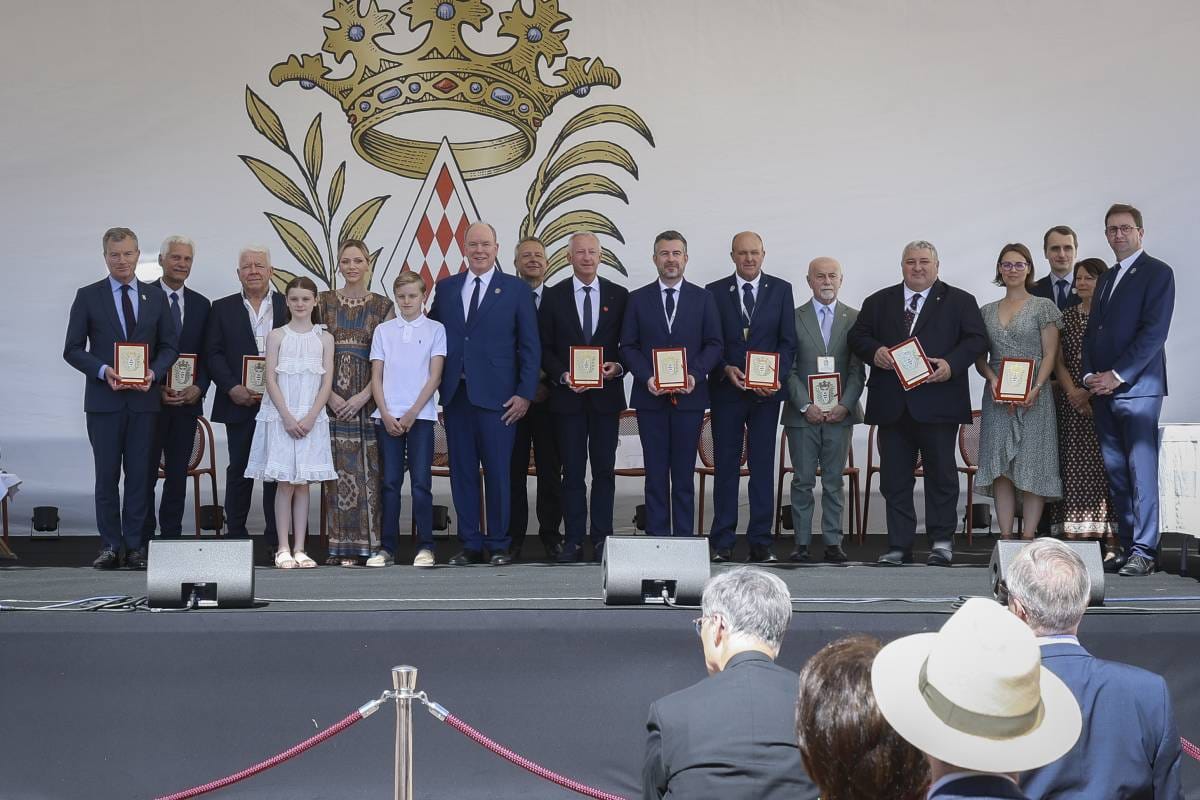
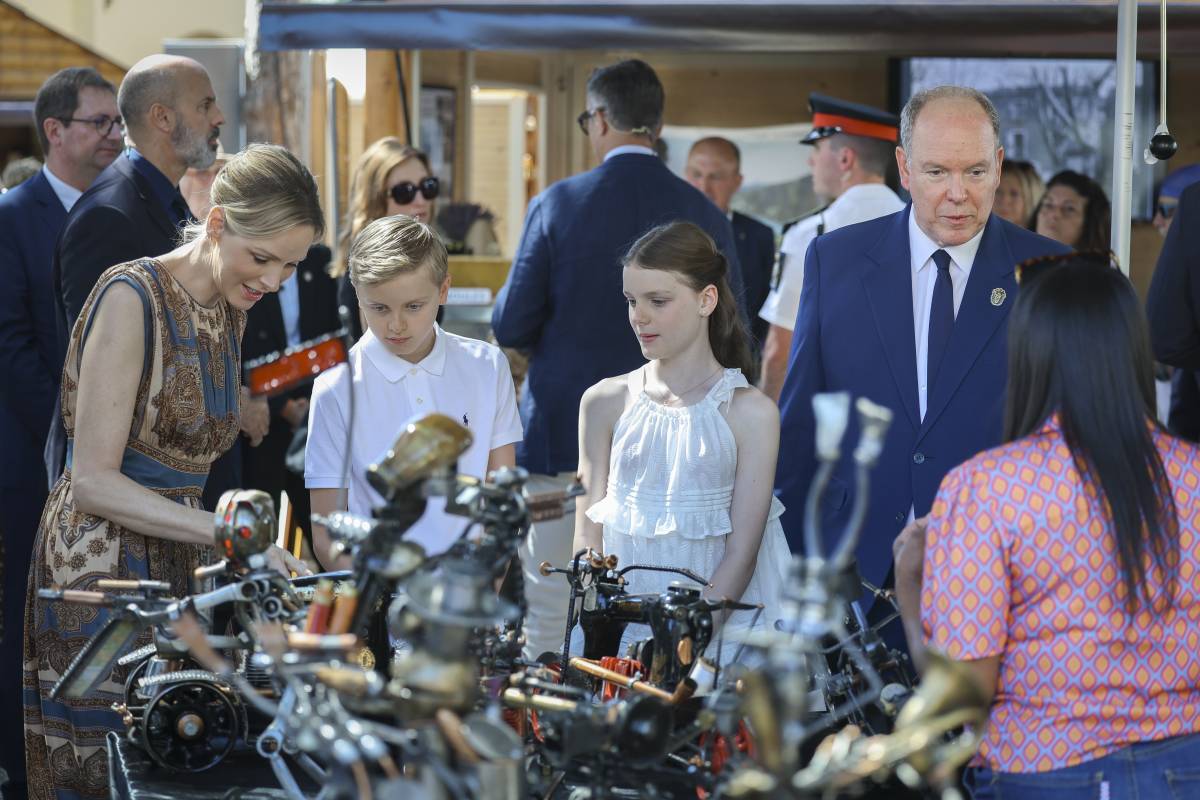
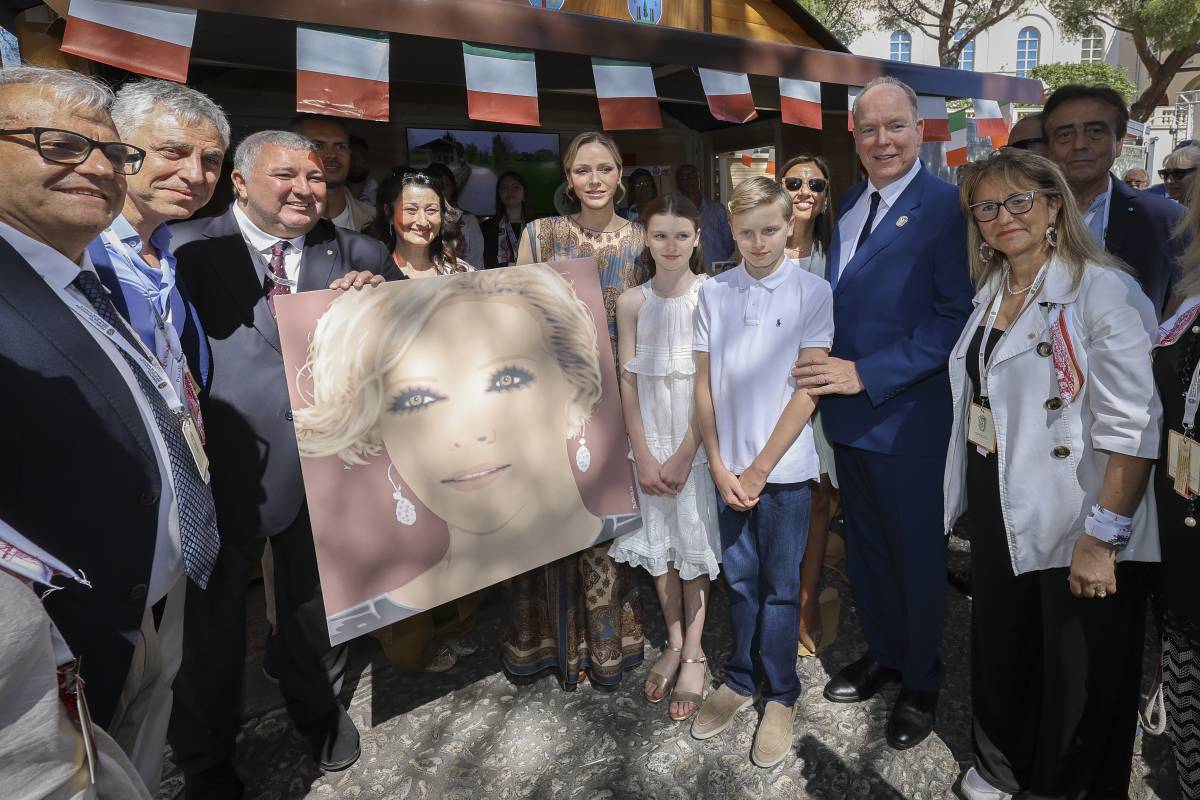
On a Saturday morning, Prince Albert II, Princess Charlene, Hereditary Prince Jacques, and Princess Gabriella officially opened the festivities in front of the Prince’s Palace. Their presence reflected the deeper purpose of the event: maintaining living connections between Monaco and the towns, villages, and territories that have, at various moments in history, shared a chapter with the Grimaldi family.
“This event is now firmly rooted on the Rock,” Prince Albert remarked with characteristic humour, noting that seven years represents “the age of reason.” Seven editions on, the gathering has matured into a cultural institution that continues to strengthen relationships extending far beyond Monaco’s borders.
A Map of Grimaldi History
This year’s edition welcomed seven participating communities.
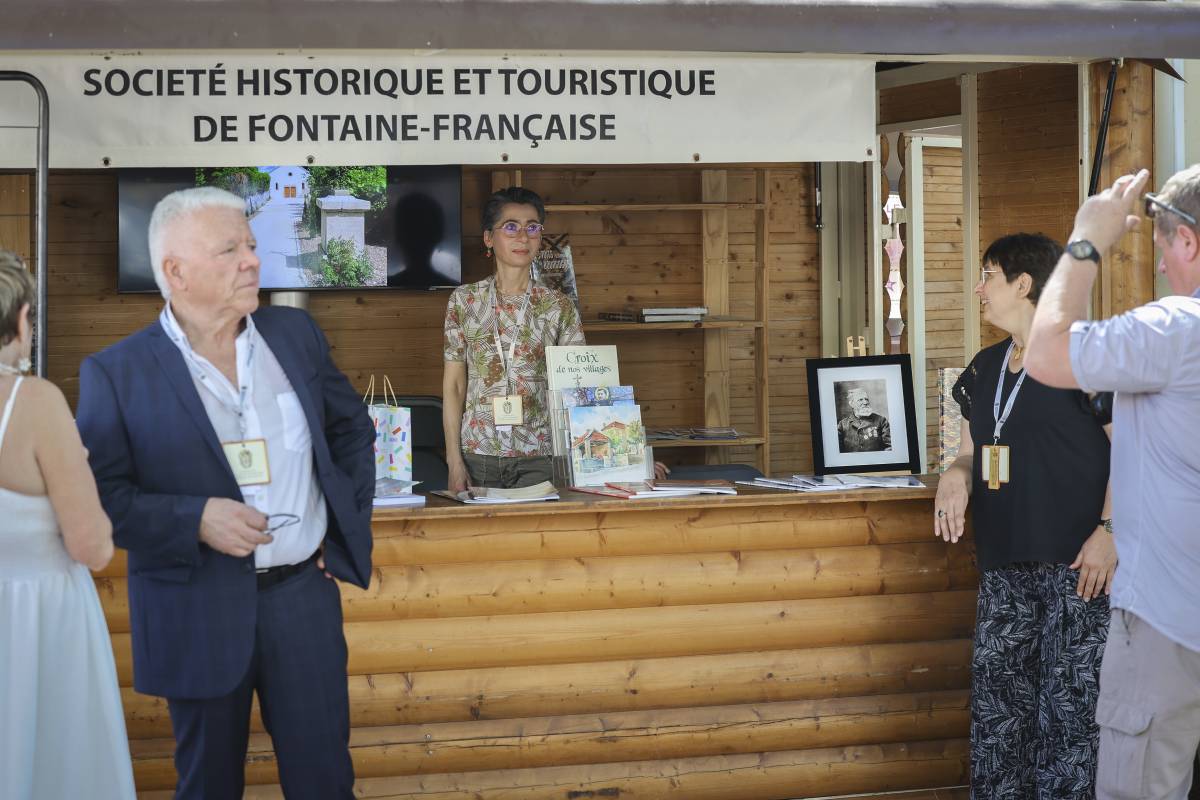
From the rolling landscapes of Côte-d’Or came Fontaine-Française. The Italian region of Piedmont sent delegations from Pianezza and Livorno Ferraris. The Alpes-de-Haute-Provence were represented by Roumoules, while the Alpes-Maritimes contributed the villages of Marie and Ascros. Completing the group was Mayenne, whose historical connection to Monaco dates back to one of the most significant dynastic marriages in Grimaldi history.
The link stretches to the late eighteenth century, when Honoré IV married Louise d’Aumont-Mazarin, heiress to the legacy of Cardinal Mazarin, the influential statesman who shaped the reign of Louis XIV. Through that union, the Duchy of Mayenne entered the Grimaldi story.
Today, centuries later, that relationship is expressed not through treaties or titles but through artisans proudly displaying their work on Palace Square.
The Market That Tells Stories
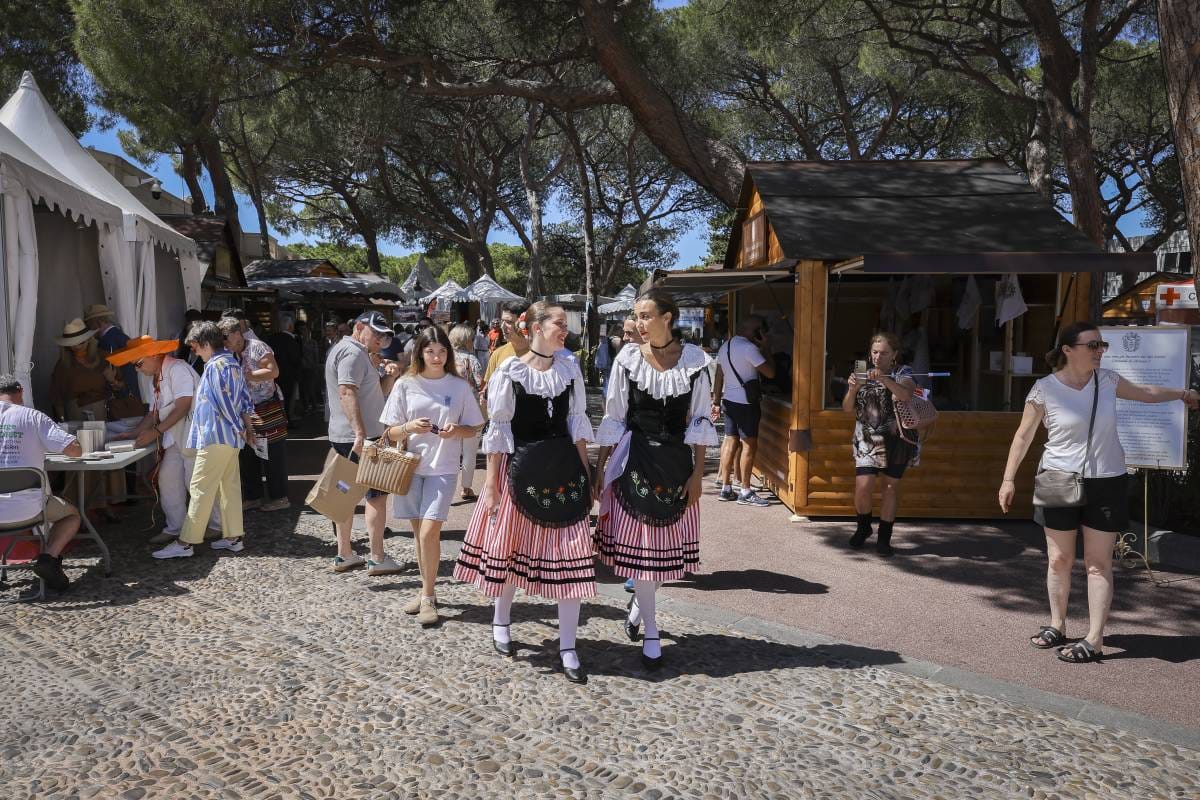
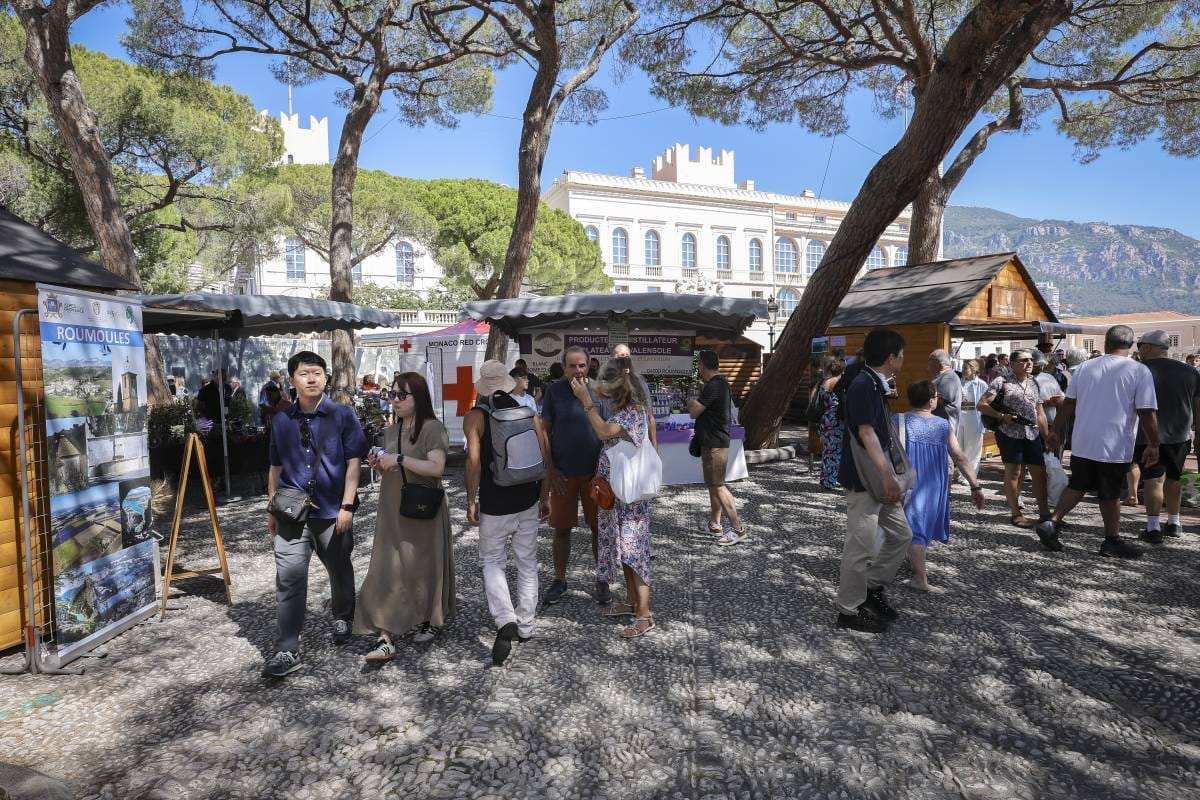
Walking through the village of stands feels like leafing through a richly illustrated family album.
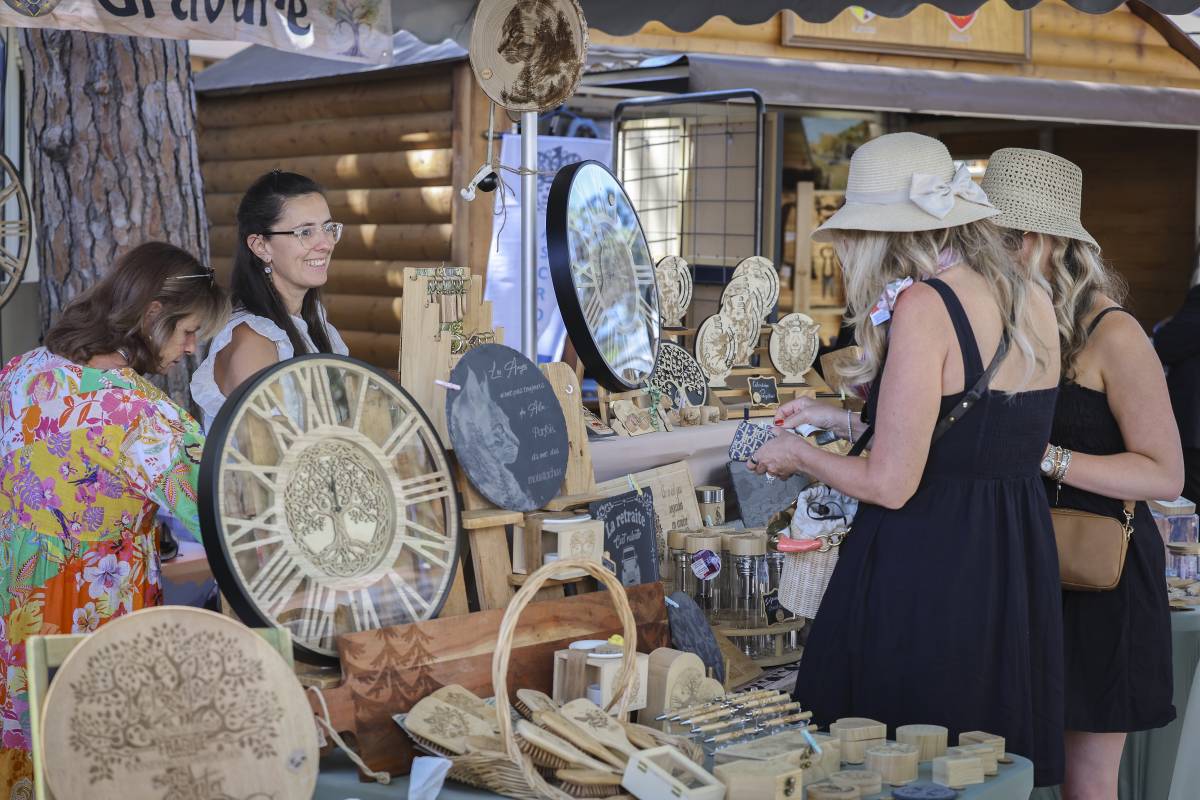
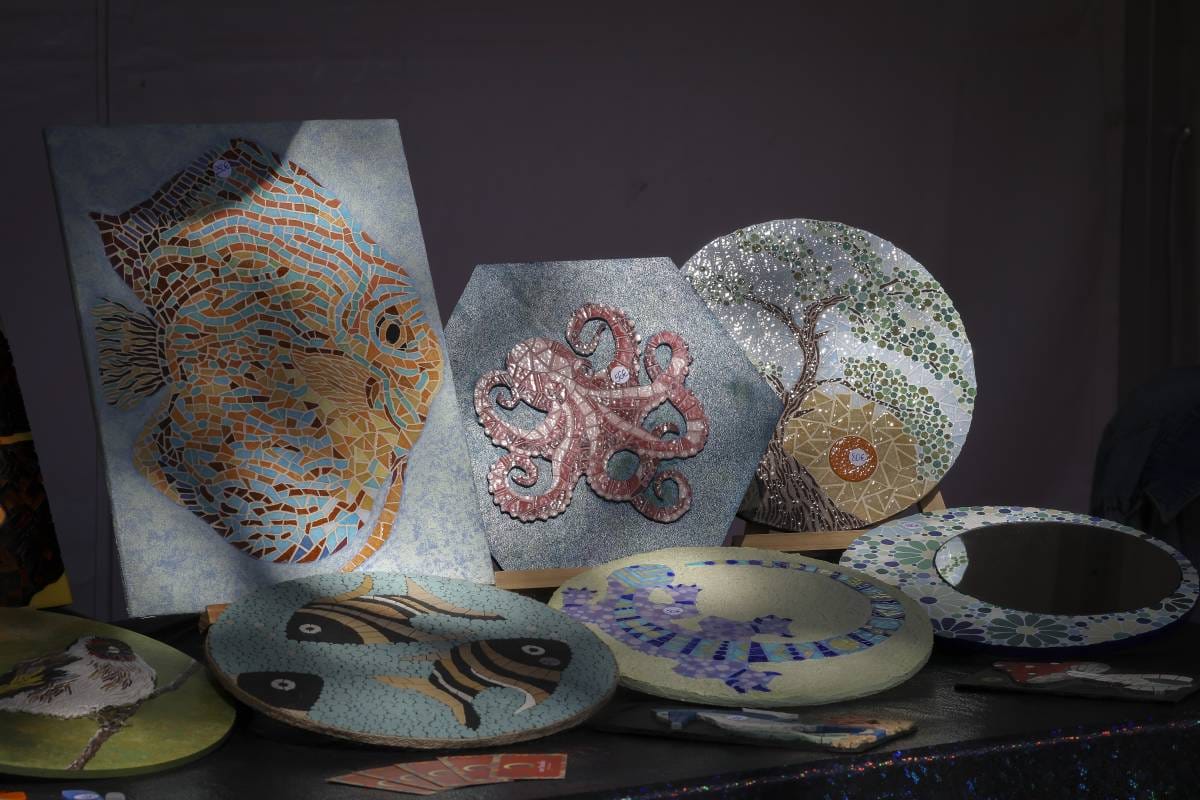
In one corner, craftsmen from Mayenne showcase intricate marquetry and mosaic creations. Nearby, delicate straw-work demonstrates techniques preserved across generations. Visitors pause to admire the celebrated Toiles de Mayenne, luxury furnishing fabrics woven in France since 1806 and still synonymous with traditional excellence.
Elsewhere, the fragrances shift dramatically.
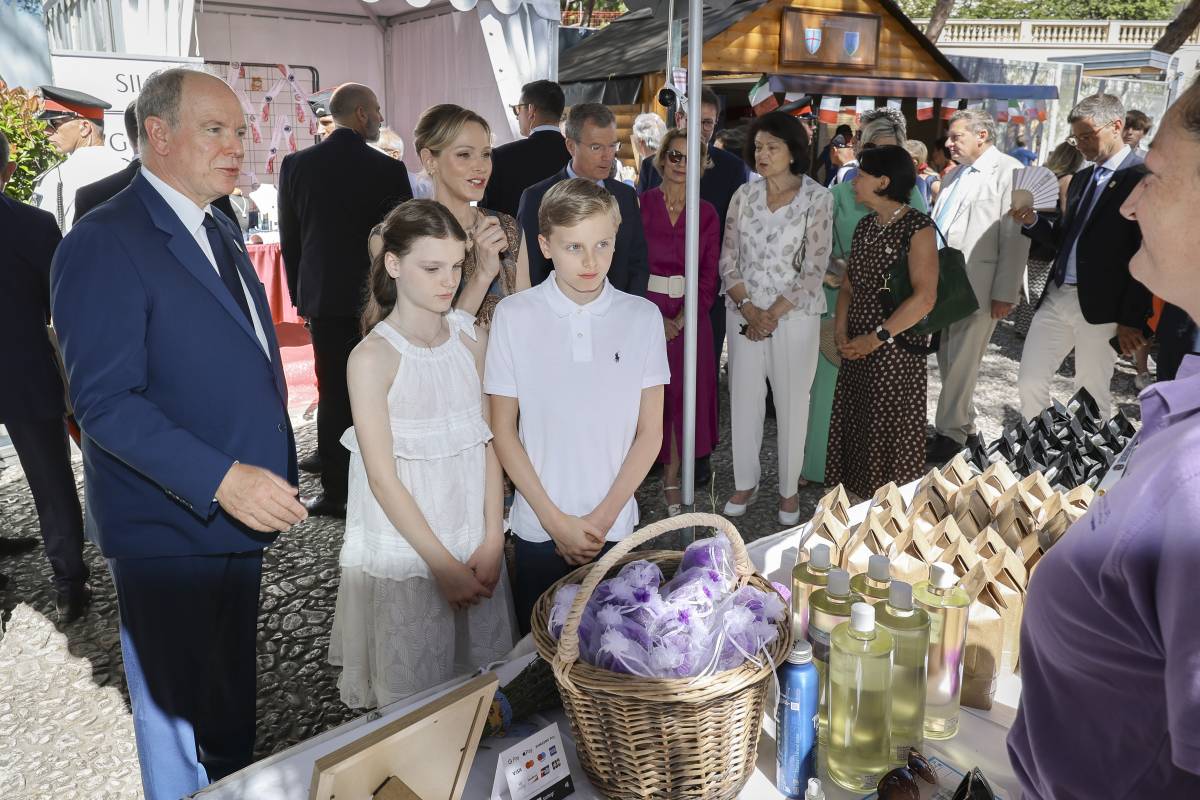
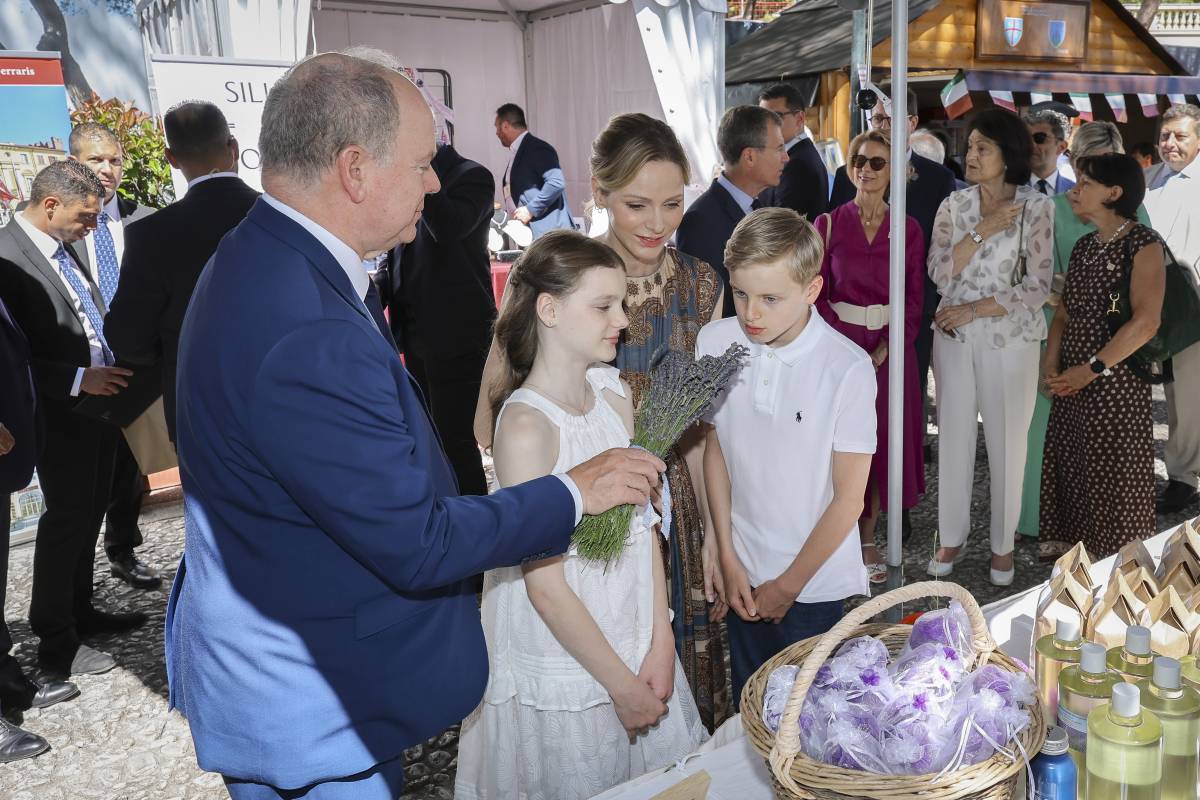
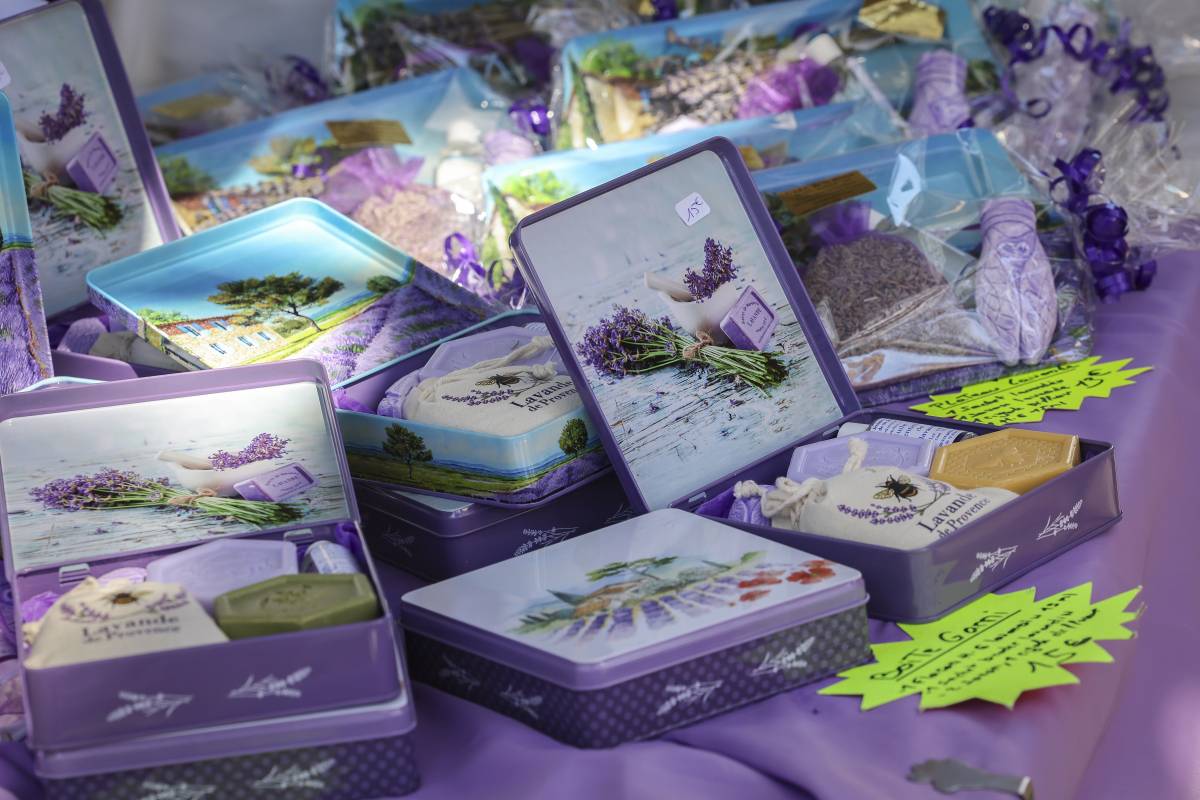
The unmistakable scent of Provence drifts from the Roumoules stand, where lavender appears in almost every imaginable form. Essential oils, soaps, honey, and artisanal products evoke the landscapes of the Valensole plateau. Olive oils glisten under the summer sun while local producers enthusiastically explain their craft.
The neighbouring villages of Ascros and Marie bring the flavours of the upper Nice hinterland to Monaco, presenting farm products and goat cheeses that reflect the culinary heritage of the mountains overlooking the Riviera.
The Piedmontese Invasion
Yet if one region has dominated the gastronomic conversation this year, it is undoubtedly Piedmont.
The Italian delegation arrived with the confidence of people who know exactly what they bring to the table.
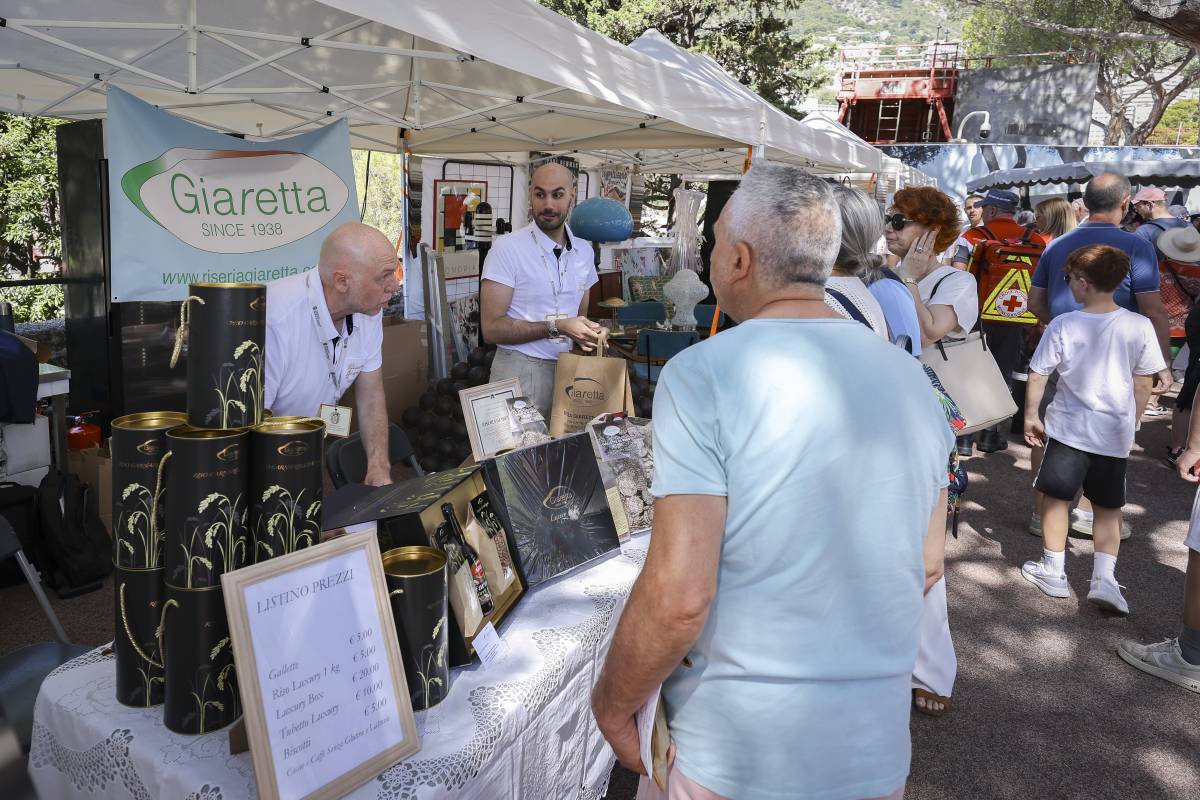
Their stalls overflow with fresh pasta, regional specialities, traditional charcuterie, pizzas, and an impressive selection of cheeses. During the opening tour, the princely family stopped to sample several dairy products, including local tommes and mozzarella, drawing appreciative crowds and enthusiastic explanations from producers.
The result is a culinary showcase that feels like a celebration of the enduring friendship between Monaco and northern Italy.
Visitors leave carrying bags filled with delicacies, often discovering that history can be surprisingly delicious.
More Than a Festival
What makes the Grimaldi gathering unique is that it refuses to fit neatly into a single category.
It is not merely a market.
It is not solely a heritage festival.
Nor is it simply a tourism event.
Instead, it occupies a rare space between all three. The weekend creates a living network of relationships, reminding visitors that Monaco’s story has never been confined to the two square kilometres of the Principality itself. The Grimaldi dynasty’s influence has stretched across France and Italy for centuries, creating ties that continue to resonate long after political borders and historical circumstances have changed.
Sunday’s programme continues the celebration with demonstrations of paijeda, the traditional Monegasque martial art, alongside magic performances and calligraphy workshops.
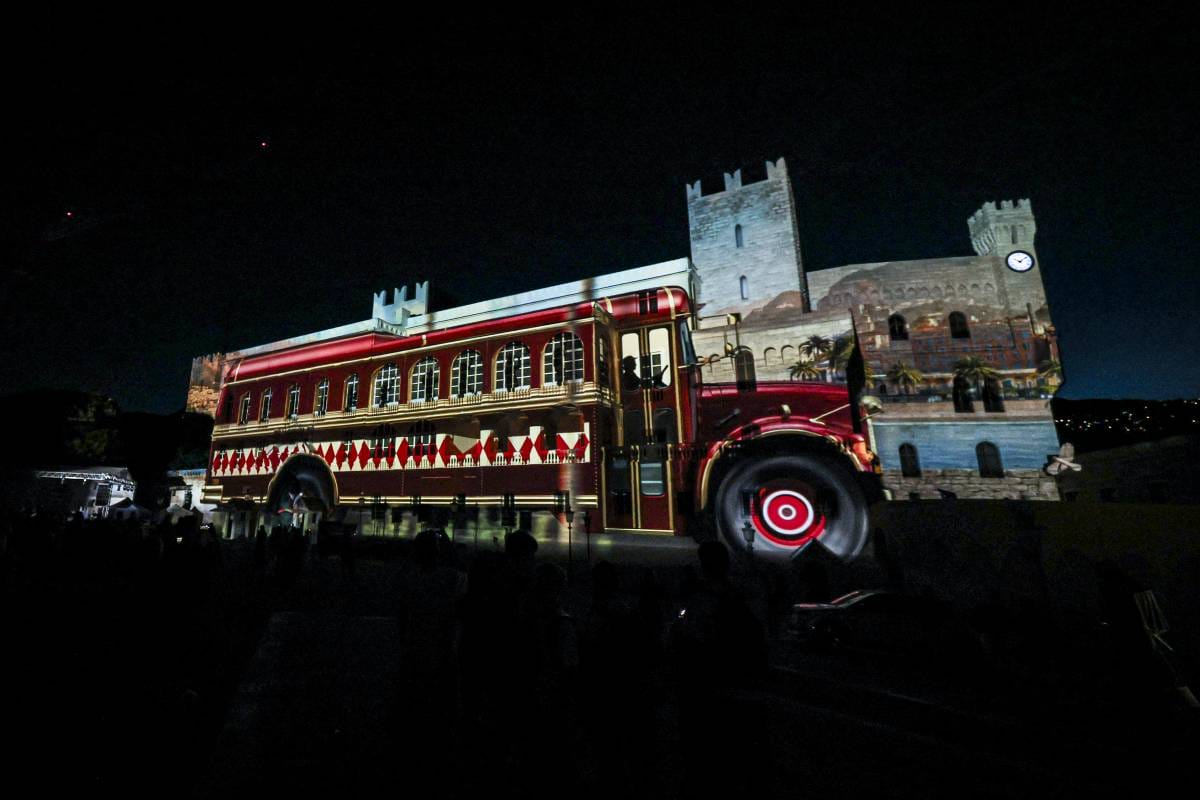
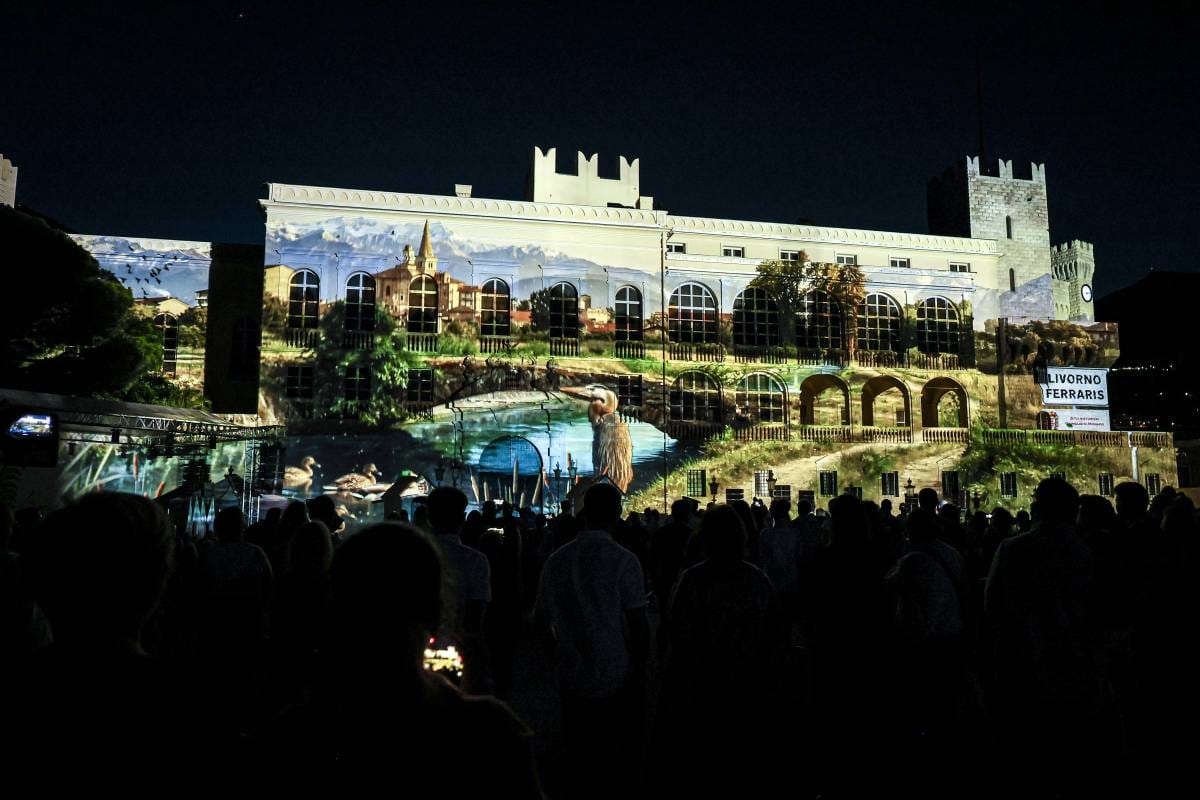
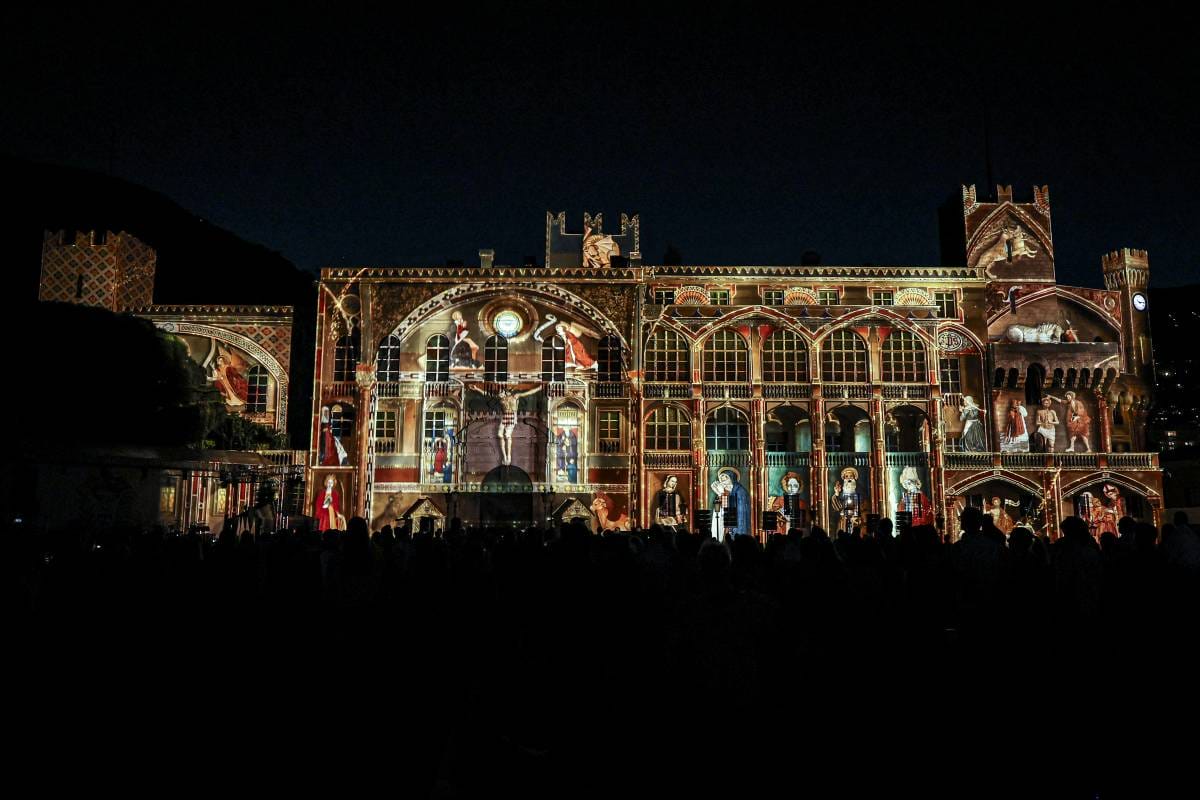
A Different Kind of Diplomacy
In an era when international relations are often discussed through economics, treaties, or geopolitics, here diplomacy arrives in the form of a wheel of cheese.
It smells faintly of lavender.
It is woven into centuries-old fabrics.
For one weekend, the Grimaldi past is no longer something preserved in books. It becomes something that can be tasted, touched, and shared.