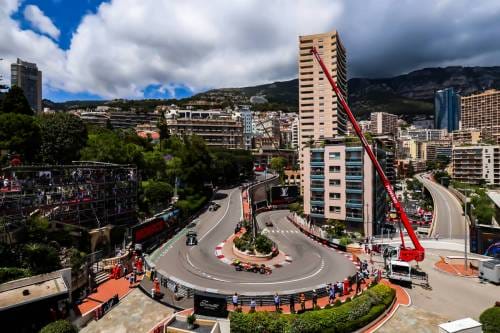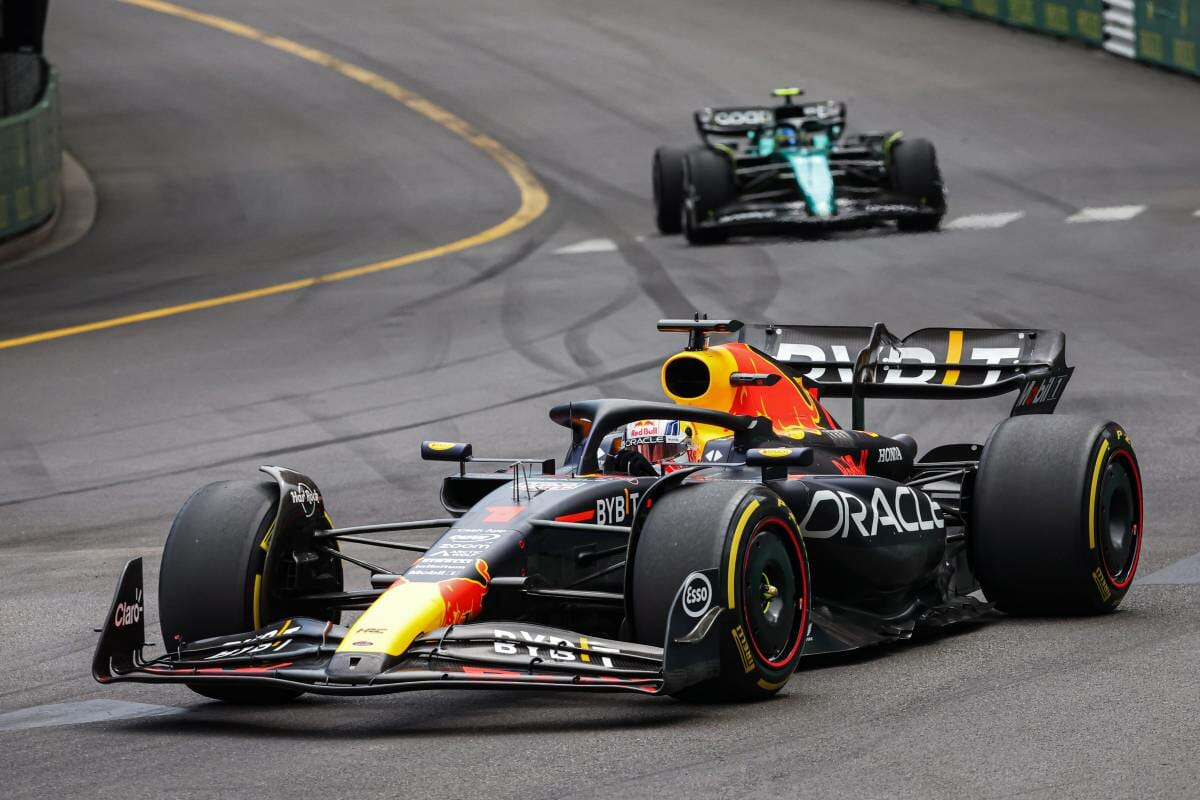




Forget conventional car, vans or trucks, or even Monaco’s rather faster Grand PrixTM bollides. Future Moon bases may need something closer to a company moon buggy.
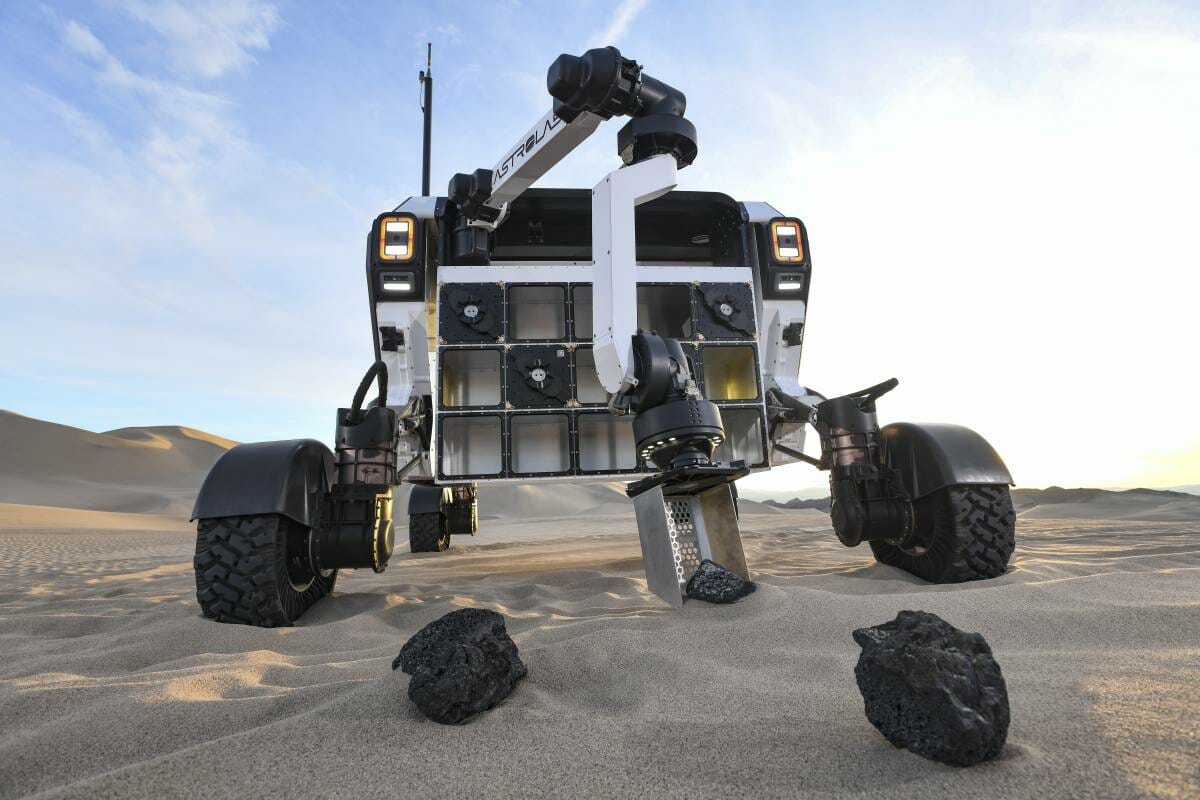
Monaco-based Venturi Space has unveiled Alta Luna, a compact tracked vehicle designed to tackle the everyday jobs that could eventually become routine for astronauts living and working on the lunar surface.
And “everyday” on the Moon is a rather different proposition.
Alta Luna is designed to carry an astronaut or equipment, negotiate difficult terrain, prepare routes and construction sites and perform tasks autonomously when nobody is sitting in its single seat. It could even bring its driver home if something goes wrong.
A Lunar Workhorse
Presented at the International Space Summit in Paris, Alta Luna has a target mass of just 300 kg and is intended primarily for operations around future lunar bases.
Unlike Venturi Space’s wheeled lunar vehicles, this one runs on tracks, designed to provide strong traction and help it negotiate obstacles and steep terrain.
An astronaut can drive it conventionally , albeit in distinctly unconventional surroundings, while onboard systems provide navigation assistance and information about the mission and environment.
But Alta Luna does not necessarily need a driver.
Using LiDAR, stereo cameras and artificial intelligence, it is designed to navigate autonomously. That opens up a much broader job description: moving payloads, excavating or grading terrain and helping prepare infrastructure around a lunar settlement.
Several Alta Lunas could eventually work together as a fleet.
And If the Driver Can’t Drive?
Perhaps its most intriguing feature concerns the astronaut sitting aboard.
Alta Luna’s electronics are designed to communicate with the driver’s spacesuit and monitor health information. Should the astronaut become incapacitated, the rover could take control and return autonomously to the lunar base.
It can also alert its occupant to external dangers such as solar storms.
That turns Alta Luna into something more than lunar transport. It is part utility vehicle, part autonomous construction machine and, potentially, part rescue vehicle.
Monaco’s Growing Lunar Ambitions
The project forms part of a much broader push into lunar mobility by Gildo Pastor’s Venturi Space.
Its battery technology is also being used by US partner Astrolab. In 2026, NASA selected Astrolab as one of two providers developing crewed lunar vehicles for the Artemis programme, with Venturi Space contributing batteries, battery-management technology and its distinctive hyper-deformable wheels.
Before astronauts begin driving those vehicles, another test is approaching. Astrolab’s smaller FLIP rover is scheduled to head for the lunar South Pole aboard Astrobotic’s Griffin-1 mission, carrying Venturi batteries and wheels.
For Pastor, however, Alta Luna is ultimately about what happens after reaching the Moon, when exploration begins to turn into something resembling everyday life.
Future lunar inhabitants will need to move things, build things, maintain infrastructure and get themselves safely from one place to another.
And if Venturi’s vision becomes reality, some of that lunar commuting may have a distinctly Monegasque connection.