



Mick Jagger takes a deep drag of a smouldering cigarette while Keith Richards rhythmically strums an open G chord on his acoustic guitar. An almost-empty bottle of bourbon sits on the table. The room’s lavish, heavy curtains are pulled back, and early morning light trickles in through vast windows. The year is 1971 and the Rolling Stones are working on Exile on Main Street, their tenth studio album, in a Villa near the Principality. Some would say that a few of the tracks on the now-legendary double album have “Monaco” written all over them…
Creating a chef-d’œuvre
“But baby, baby, I don’t need no jewels in my crown
‘Cause all you women is low down gamblers
Cheatin’ like I don’t know how….
Baby, I can’t stay, you got to roll me,
And call me the tumbling dice,” sings Mick Jagger on the album. His voice is punctuated by the smooth and powerful harmonies of a gospel chorus.
“I remember writing the riff upstairs in the very elegant front room, and we took it downstairs the same evening and we cut it,” said Keith Richards in the liner notes to Jump Back: The Best of The Rolling Stones. Richards used a five-string open G tuning on the track, later dubbed “Keef-chord” tuning after he used it on several Exile on Main Street tracks.
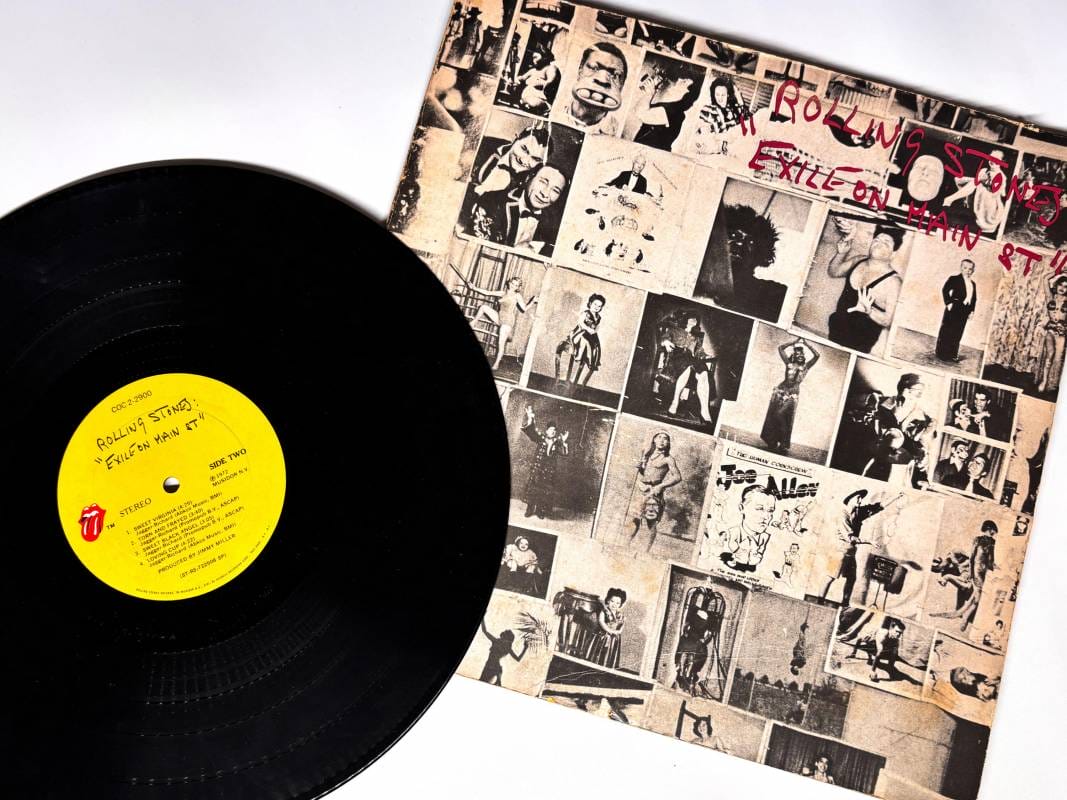
There is no doubt that the song Tumbling Dice by the Rolling Stones is a masterpiece. The rhythm ropes you in, chugging along like a steady moving train. The song itself became a top 10 hit, while the entire Exile on Main Street album was an immediate commercial success, reaching number 1 worldwide just as the band embarked on their 1972 American Tour.
Villa leased by Keith Richards
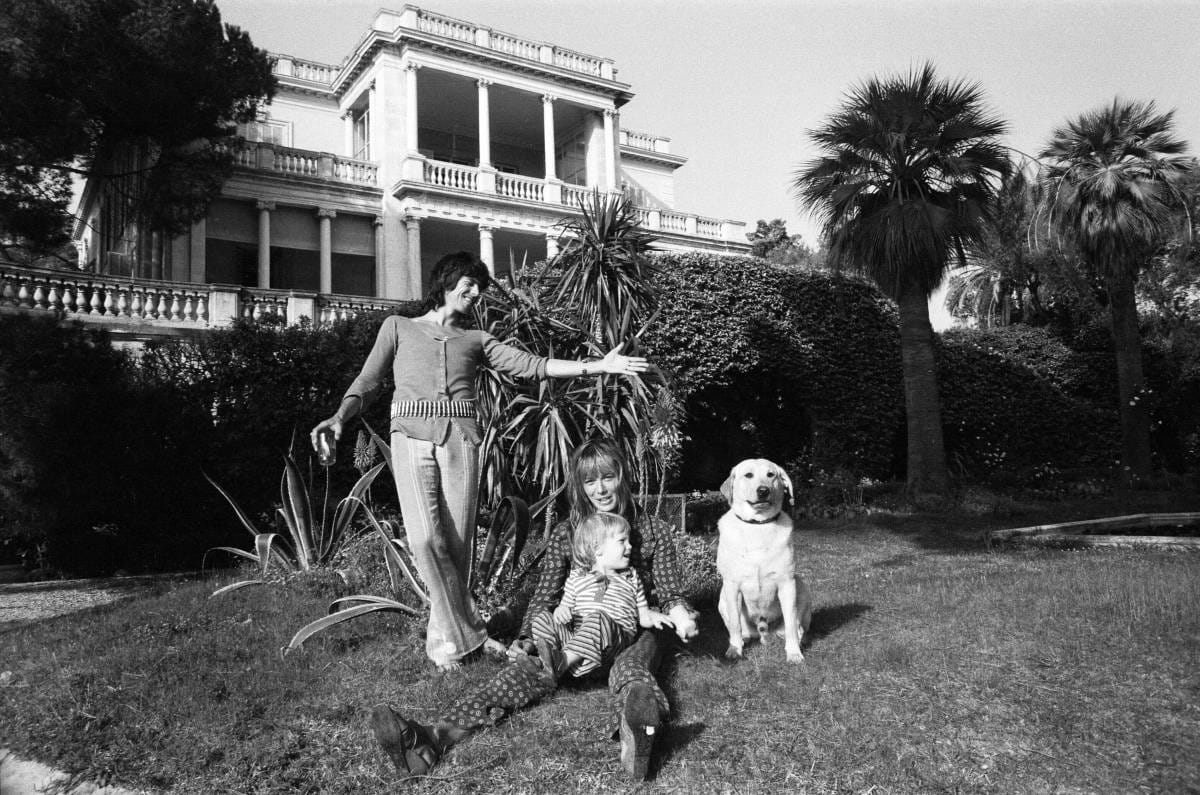
In the late 1890s, a large villa, fronted with imposing marble columns, was built on the waterfront of Villefranche-sur-Mer, right on Saint-Jean-Cap-Ferrat. Eighty years later, Villa Nellcôte was leased by Keith Richards. The guitarist rented the property from April 1971 to October 1971. The sixteen-room mansion and its spectacular surroundings are said to have immensely inspired the Rolling Stones.
During those infamous few months on the Riviera, musicians, alcohol, drugs, fans and journalists flowed in and out of the Villa, like the Mediterranean tides. The Villa saw the likes of William S. Burroughs, Terry Southern, Gram Parsons and John Lennon, as well as countless other visitors.
The impromptu relocation to Southern France happened as the band was planning their US tour. A 93 percent supertax was suddenly imposed by Prime Minister Harold Wilson’s Labour government on the country’s top earners. The Rolling Stones quickly became “UK tax exiles” thanks to an idea by the band’s financial advisor, Prince Rupert Lowenstein.
Wild times, a Robbery and a Drug Bust
The Rolling Stones played a short “farewell tour” in England, in April 1971, before lugging a mobile recording studio to the palatial villa. The walls in the Belle Époque basement were covered with carpets to dampen the sound. The band sometimes recorded upwards of one hundred takes for some of the songs, spending countless hours in the French mansion. And when they weren’t working on a track, the musicians had no shortage of wild experiences…
The band’s audio engineer and horn player set up a casino in the villa. The musicians would take a speedboat to Monte-Carlo, sipping cocktails along the way. One of the musicians reportedly threw furniture out of windows. The band and their friends enjoyed what was dubbed a “most perfect summer,” but everything seemed to turn sour in late August.
First, there was a burglary, during which several guitars were stolen from the house. Then, some of the musicians became more involved in heavy drug use. Finally, there was a drug bust. Keith Richards reportedly had to leave France in late August 1971 due to legal problems. A court in Nice imposed a one-year suspended sentence and a 5,000 franc fine on Richards for trafficking cannabis, and banned him from entering France for two years.
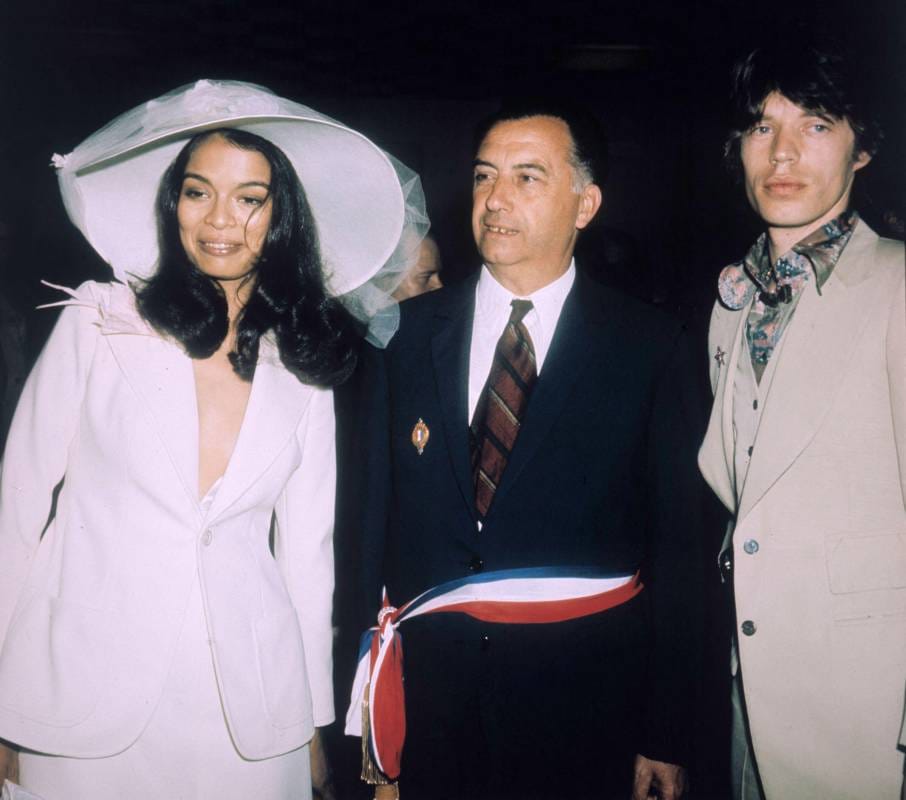
@ Alamy.com
Stones in Exile Documentary
In 2010, a documentary film about the recording of Exile on Main Street, directed by Stephen Kijak, premiered at Cannes. Soon after, it had its worldwide premiere on Late Night with Jimmy Fallon. Fallon led up to the re-release of the album with a week’s worth of musicians performing Rolling Stones songs. The final night of the week, he aired the premiere of the documentary.
In the film, Mick Jagger and Charlie Watts visit several locations crucial to the making of Exile on Main Street. They visit Stargroves (Mick Jagger’s former home) London’s Olympic Studios and Sunset Sound studios in Los Angeles (where the album’s tapes were mixed and mastered). One pivotal location, however, is missing from the documentary: the Villa.
While making the documentary, director Stephen Kijak requested to visit the Villa, but the current owners declined. The property’s current owners purchased the Villa for an estimated €100 million in 2005.

Exile on Main Street: the Stones’ Best Album?
Rolling Stone Magazine originally gave Exile on Main Street mixed reviews. When it was first released, the album, backed by a large picture-book, made a big statement in record stores.
In May 1972, Lenny Kaye wrote, “There are songs that are better, there are songs that are worse, there are songs that’ll become your favourites and others you’ll probably lift the needle for when their time is due.” The critic, however, loved Tumbling Dice, calling it “a cherry on the first side,” which provides “one of the album’s only real moves towards a classic.”
“As the guitar figure slowly falls into Charlie’s inevitable smack, the song builds to the kind of majesty the Stones at their best have always provided. Nothing is out of place here, Keith’s simple guitar figure providing the nicest of bridges, the chorus touching the upper levels of heaven and spurring on Jagger, set up by an arrangement that is both unique and imaginative. It’s definitely the cut that deserved the single, and the fact that it’s not likely to touch Number One shows we’ve perhaps come a little further than we originally intended,” wrote Kaye.
Despite the initial mixed review, Rolling Stone magazine later ranked Exile on Main Street as number seven on its list of the “500 Greatest Albums of All Time” in 2003 and 2012, the highest-ranked Rolling Stones album on the list. In 2012, the album was inducted into the Grammy Hall of Fame, the band’s fourth album to be inducted.
A remastered and expanded version of the album was released in 2010 featuring a bonus disc with 10 new tracks. Unusual for a re-release, the album reached number one in the UK and number two in the US.
The album’s success, in two separate centuries, demonstrates that, at least with legendary rockers like the Rolling Stones, the atmosphere of the Côte d’Azur can truly inspire extraordinary music.